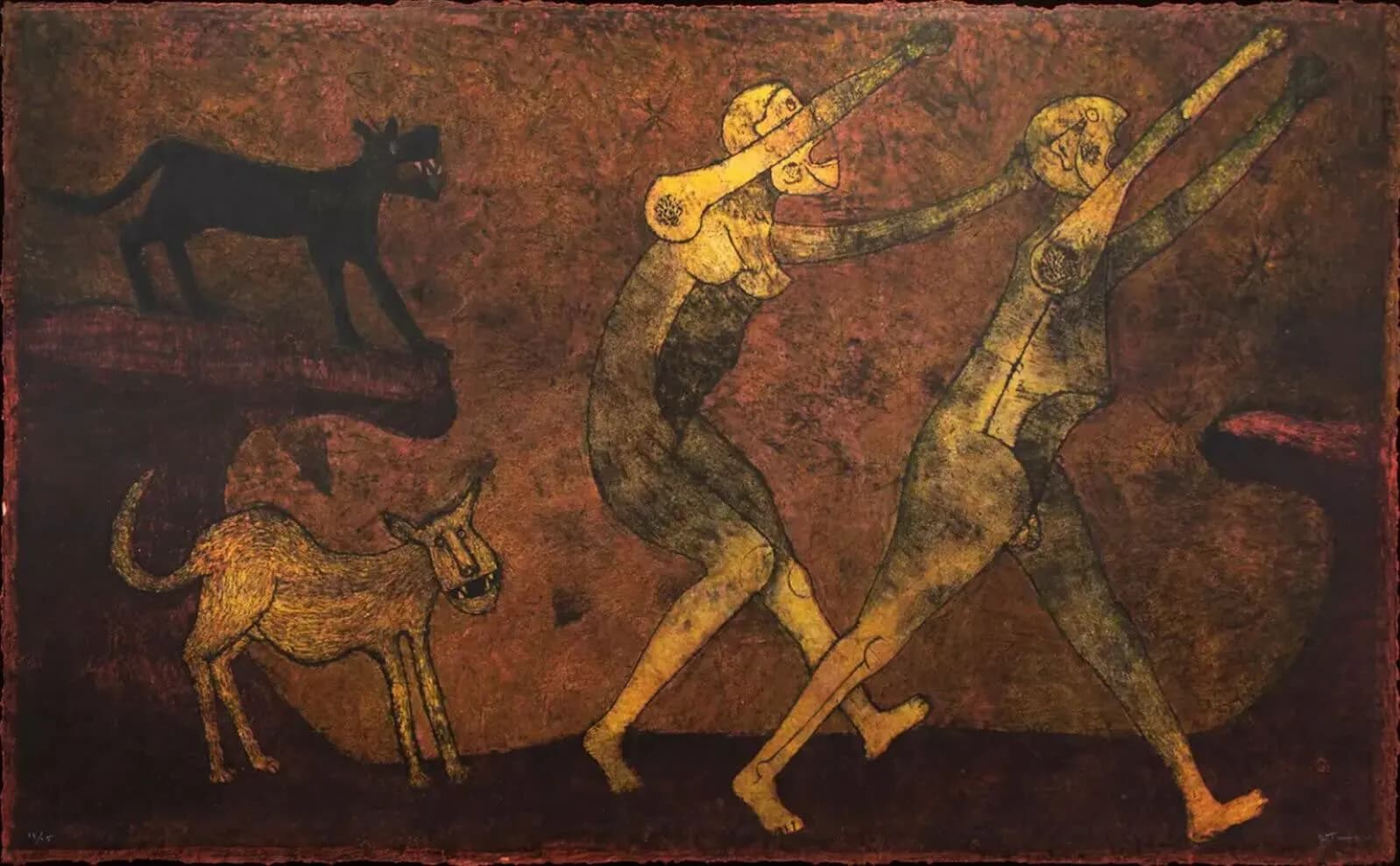
The short answer is yes—especially if you care about Latin American art in a museum setting that is focused, accessible, and easy to navigate. The Museum of Latin American Art, often called MOLAA, located in Long Beach, California offers a rare combination of contemporary Latin American and Latino art, public programming, and a collection that helps frame the region’s artistic diversity for a broad audience. For travelers, students, collectors, and local art lovers, it can be a rewarding stop rather than a generic museum visit.
What makes the museum worth your time is not just the artwork on the walls, but the way it presents Latin American art as a living field shaped by migration, identity, politics, craft, abstraction, and experimentation. If you are planning your visit, this guide breaks down what to expect, who will get the most out of it, and how to decide whether it belongs on your shortlist.
What the Museum of Latin American Art offers
A museum visit is worth it when the collection, curatorial focus, and setting align with your interests. MOLAA’s core value is its dedication to art from Latin America and the Latinx experience in the United States. That focus gives the museum an identity that is clearer than many general art museums, where Latin American works may appear only in small sections.
For visitors, that means:
A tighter curatorial lens centered on Latin American and Latino art
A stronger chance of seeing work by artists from across the region and diaspora
Exhibitions that often connect visual culture to history, society, and identity
A museum experience that feels relevant if you are studying Latin American art or building a deeper visual vocabulary
If you are looking for a broad survey of European modernism or a blockbuster collection of Old Masters, this is not the point. MOLAA is better understood as a specialized museum with a specific cultural mission. That specialization is exactly why many visitors find it worthwhile.
Who will enjoy the visit most
The Museum of Latin American Art is especially valuable for people who want more than a quick aesthetic encounter. It is a strong fit for several kinds of visitors.
Art students and researchers
Students benefit from seeing how themes such as diaspora, memory, labor, and social change appear across different media. Museums like this help bridge classroom theory and real-world viewing. If you are studying Latin American art, the museum can serve as a practical reference point for stylistic comparison and curatorial context.
Collectors and gallery professionals
Collectors and dealers often visit specialized museums to understand how artists are framed institutionally. Seeing a museum’s curatorial choices can clarify market trends, regional narratives, and the kinds of works that receive sustained attention. For those active in gallery promotion, this perspective is useful when thinking about how artists from Latin America are presented to the public.
Travelers and local culture seekers
If you are in Long Beach or nearby, the museum is a strong cultural stop because it offers a distinct point of view. It is not simply “another museum”; it is one of the few places where Latin American art is the main subject rather than a side category.
What to expect during a visit
A worthwhile museum visit should feel manageable, informative, and visually engaging. MOLAA generally fits that description.
The museum’s scale makes it approachable, which is a plus for visitors who want to spend a few focused hours rather than an entire day. That can be ideal if you are trying to absorb the exhibition carefully instead of rushing through oversized galleries.
Expect a mix of media and approaches. Depending on the current programming, you may encounter painting, sculpture, photography, installation, video, and works that draw on craft traditions. That range matters because Latin American art is not one style or one era—it is a wide field shaped by region, politics, and artistic exchange.
A practical tip: go in with an open mind. The museum may not be built around iconic single-object spectacles the way some major encyclopedic museums are. Its strength is in thematic resonance and curatorial specificity.
How it compares to other museum experiences
If you are asking whether the Museum of Latin American Art is “worth it,” the real question is what kind of museum experience you prefer.
Worth it if you want focus
Many museums include Latin American art, but few center it. MOLAA’s value is that it places the region’s visual culture at the core of the experience. For readers interested in Latin American art specifically, that focus is a major advantage.
Worth it if you value context
A museum can be visually strong but intellectually thin. The best reason to visit MOLAA is the context it provides. Art gains force when it is presented alongside ideas about identity, migration, and cultural memory. That contextual approach aligns well with E-E-A-T-friendly editorial standards because it helps readers understand the work, not just admire it.
Less ideal if you want only headline-famous masterpieces
If your museum-going style is driven by celebrity artworks and big-name must-sees, this may feel more modest. That is not a weakness. It simply reflects the museum’s mission. Specialized institutions often offer more depth in a narrower field than large general museums can.
Practical reasons the museum is a smart visit
A museum is worth visiting when it offers value beyond the ticket price or travel time. MOLAA does this in several ways.
First, it can deepen your understanding of Latin American art as a living category rather than a static label. Second, it can introduce artists and visual strategies that are underrepresented in mainstream museum circuits. Third, it can help viewers connect exhibition themes to broader art-world conversations about cultural identity and representation.
That is especially relevant for Latinamericanart.com readers, since many galleries and artists benefit from institutions that broaden the public conversation around the region. A museum visit can inform how audiences respond to works in gallery settings, from contemporary painting to mixed-media installations.
Tips for making the most of your visit
To get the best experience, approach the museum with a specific viewing plan.
Before you go
Check the current exhibitions and programming so you know whether the museum is showing a thematic survey, a solo presentation, or a group exhibition. That small step can significantly improve the visit.
During the visit
Spend time with wall text and curatorial notes. In a museum dedicated to Latin American art, those details often reveal the historical or geographic context that gives the work meaning.
After the visit
If an artist or theme stands out, continue your research through gallery pages, artist profiles, and related collections. That kind of follow-up is where a museum visit becomes part of a larger learning process.
Final verdict: is it worth visiting?
Yes, the Museum of Latin American Art is worth visiting if you care about Latin American art, contemporary cultural narratives, or museums with a clearly defined purpose. It may not be the right choice for someone seeking only universally famous masterpieces, but it is a strong choice for anyone who values depth, specificity, and artistic context.
For readers of latinamericanart.com, MOLAA stands out because it reinforces why specialized institutions matter. They help audiences see Latin American art not as a niche category, but as a vital and evolving part of the global art conversation.
If you are in the area and want a museum experience that is thoughtful, accessible, and relevant, this one deserves a spot on your list.