Saturnino Herrán
Mexico, b. 1887, d. 1918
Saturnino Herrán Guinchard (July 9, 1887 – October 8, 1918) was a Mexican painter whose work played an important role in the development of modern Mexican art. Known for his sensitive portrayals of Mexican people, traditions, and everyday life, Herrán helped establish a visual language centered on national identity before the emergence of the Mexican muralist movement.
Born in Aguascalientes, Mexico, Herrán moved to Mexico City and entered the Academy of San Carlos in 1904. There he studied under artists including Antonio Fabrés and Germán Gedovius. His academic training provided a strong foundation in drawing and the human figure, but he gradually developed a more personal style influenced by Symbolism and emerging modernist ideas.
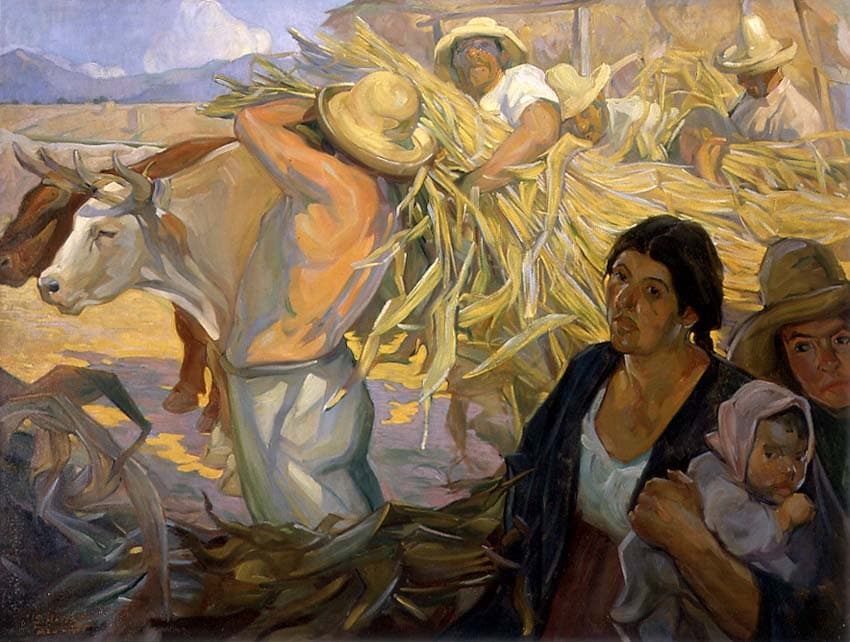
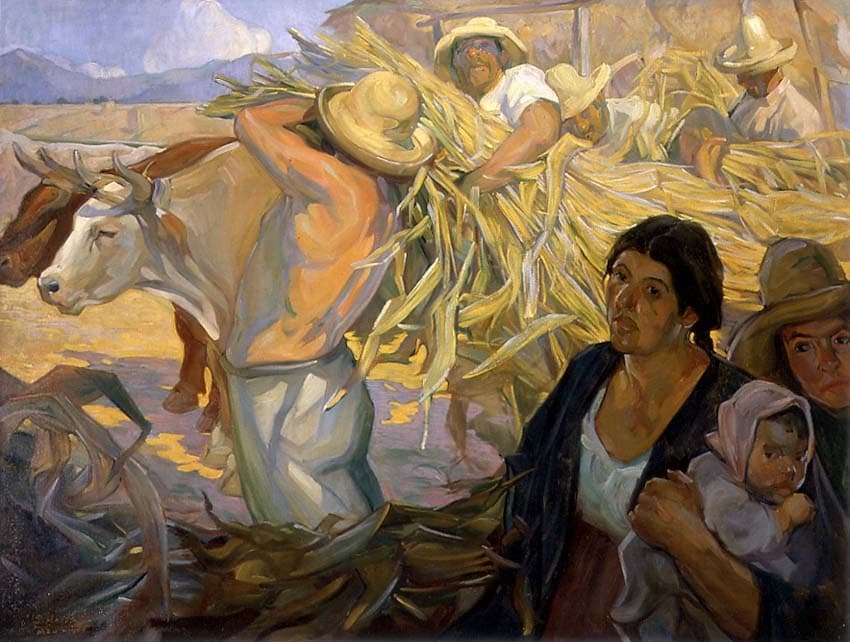
Herrán frequently depicted workers, indigenous and mestizo figures, families, and traditional Mexican customs. Rather than treating these subjects as picturesque scenes, he presented his figures with dignity and individuality. His compositions combined carefully modeled forms, expressive color, and an interest in Mexico's cultural heritage.
Among his best-known works are La ofrenda, El rebozo, and the ambitious series Nuestros dioses. The latter explored the intersection of Mexico's indigenous and European cultural traditions and reflected Herrán's growing interest in the complexity of Mexican identity.
Although his career was brief, Herrán became an influential figure in the transition from nineteenth-century academic painting toward a distinctly Mexican modern art. He died in Mexico City in 1918 at only 31 years old, leaving a body of work that continues to hold an important place in Mexican art history.
Represented By
Artworks by Saturnino Herrán