Rodolfo Nieto
Mexico, b. 1936, d. 1985
Rodolfo Nieto Labastida (Oaxaca, 1936–Mexico City, 1985) was a Mexican painter, draftsman, and printmaker whose distinctive visual language combined European modernism with imagery rooted in pre-Columbian culture, mythology, and the artistic traditions of Oaxaca.
Nieto spent his youth in Mexico City and studied at the Escuela Nacional de Pintura, Escultura y Grabado La Esmeralda under Carlos Orozco Romero. In 1959, he moved to Paris, where he studied printmaking at Atelier 17 under Stanley William Hayter and immersed himself in the European art scene.
His work gained international recognition during the 1960s. Nieto exhibited in Paris and illustrated Jorge Luis Borges's Manual de zoología fantástica, reflecting his fascination with animals, imaginary creatures, and symbolic forms.
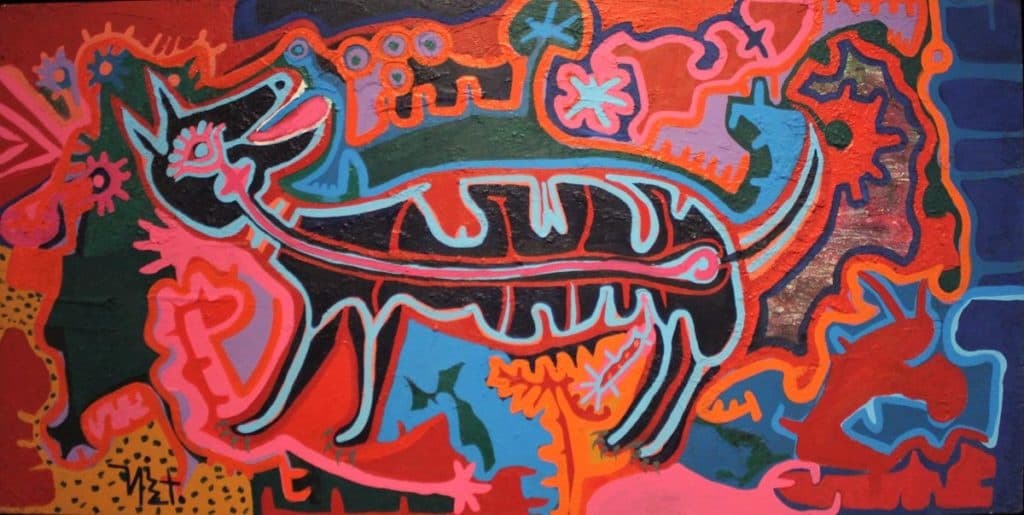
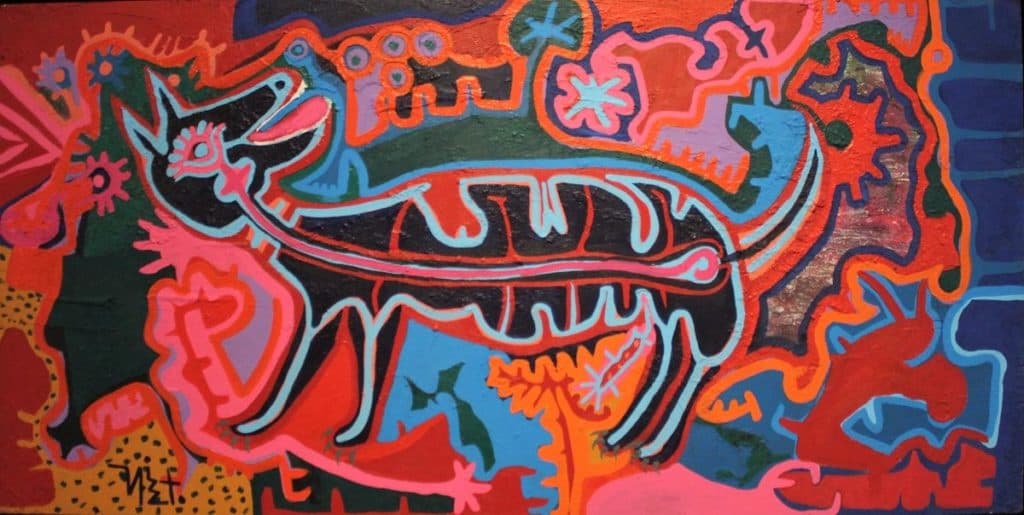
After returning to Mexico, he explored pre-Columbian culture and Mexican popular art more deeply. Animals, hybrid beings, landscapes, and enigmatic figures became central to his work, transformed through expressive lines, fragmented forms, rich textures, and intense color.
Nieto worked across painting, drawing, and printmaking, using oil, watercolor, gouache, collage, woodcut, ink, graphite, pastel, and mixed media. His synthesis of European modernism and the cultural traditions of Oaxaca established him as an important figure in modern Mexican art. Nieto died in Mexico City on June 24, 1985.
Represented By
Artworks by Rodolfo Nieto