Preciada Azancot
Spain, b. 1943, d. 2017
Preciada Azancot was a Sephardic artist, thinker, and creator of the MAT, the Metamodel of Analysis that Transforms. She was born on March 25, 1943, in Fez, Morocco, into a Sephardic family whose history was marked by exile, persecution, and survival. Her parents were refugees from the violence and instability created by Nazi, Petainiste, and Franco supported persecution, a background that deeply shaped the cultural and emotional world into which she was born. Azancot’s life and work can be understood through this inheritance: a legacy of displacement, identity, memory, resilience, and the search for transformation.
As a Sephardic creator, Azancot belonged to a long cultural tradition connected to Jewish communities expelled from Spain and later established across North Africa, the Mediterranean, Europe, and the Americas. Growing up with this layered heritage gave her work a historical and spiritual dimension. Sephardic identity is often tied to movement, language, family memory, and the preservation of culture across borders. In Azancot’s case, that background appears to have informed both her intellectual pursuits and her artistic expression, giving her creative life a strong foundation in questions of human development, personal truth, and inner transformation.
Azancot is especially known as the creator of the MAT, or Metamodel of Analysis that Transforms. The name itself suggests an ambitious and structured approach to understanding the human being. Rather than limiting analysis to observation, the MAT points toward change. It implies a system designed not only to interpret patterns, emotions, behavior, and personality, but also to help transform them. This makes Azancot’s work significant beyond the visual arts. She was not only a painter, but also a creator of a conceptual framework that sought to connect analysis with growth, insight, and personal evolution.
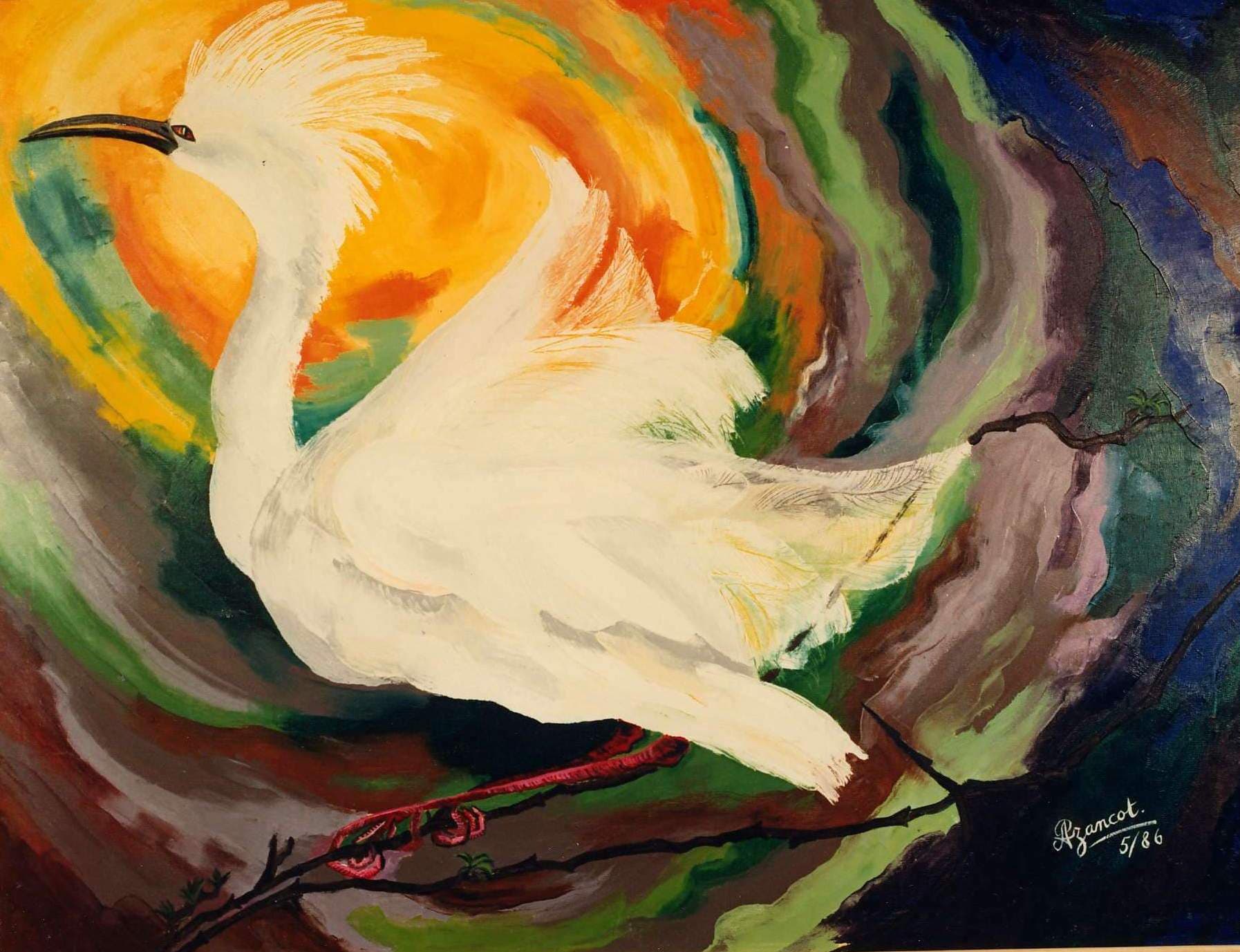
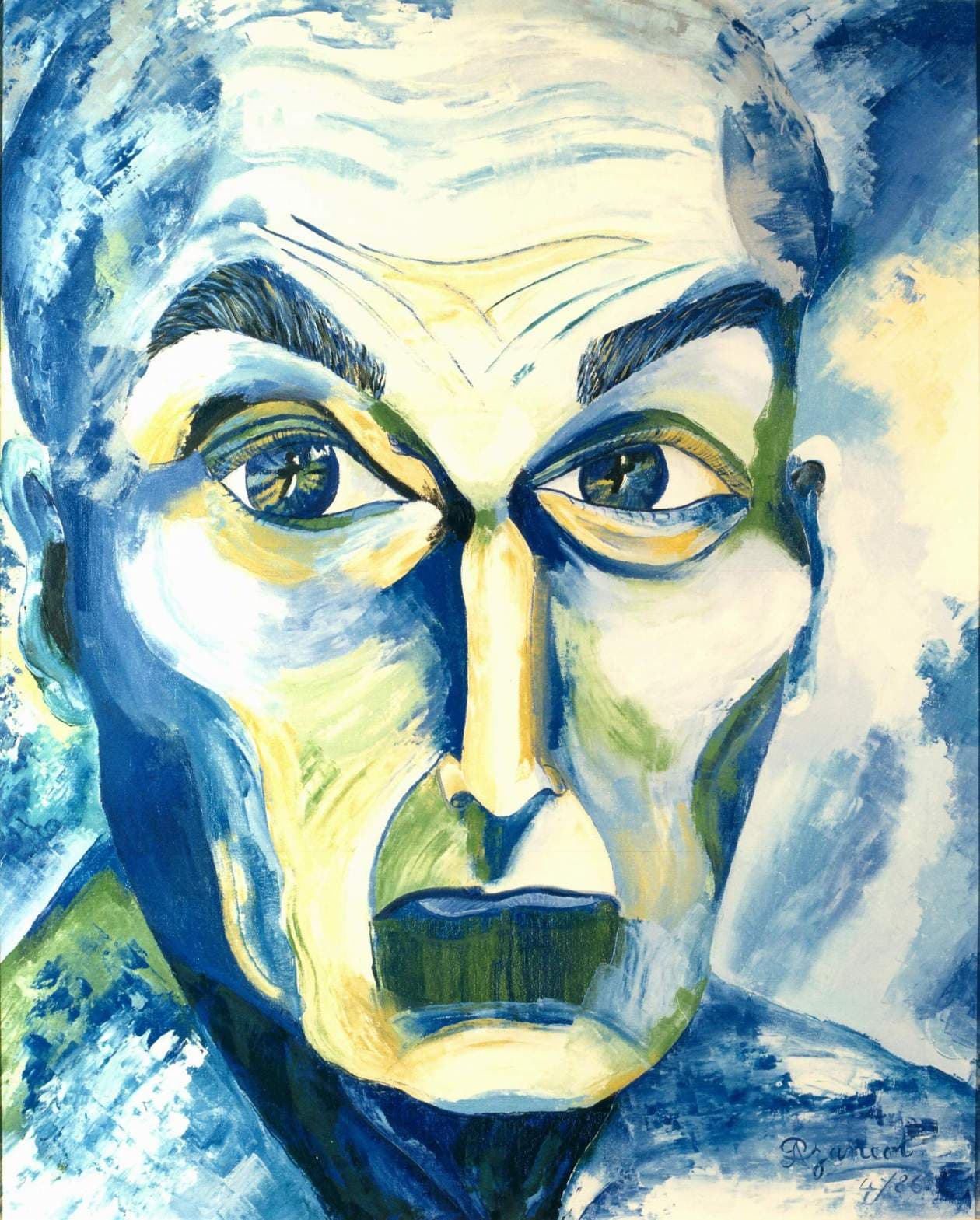
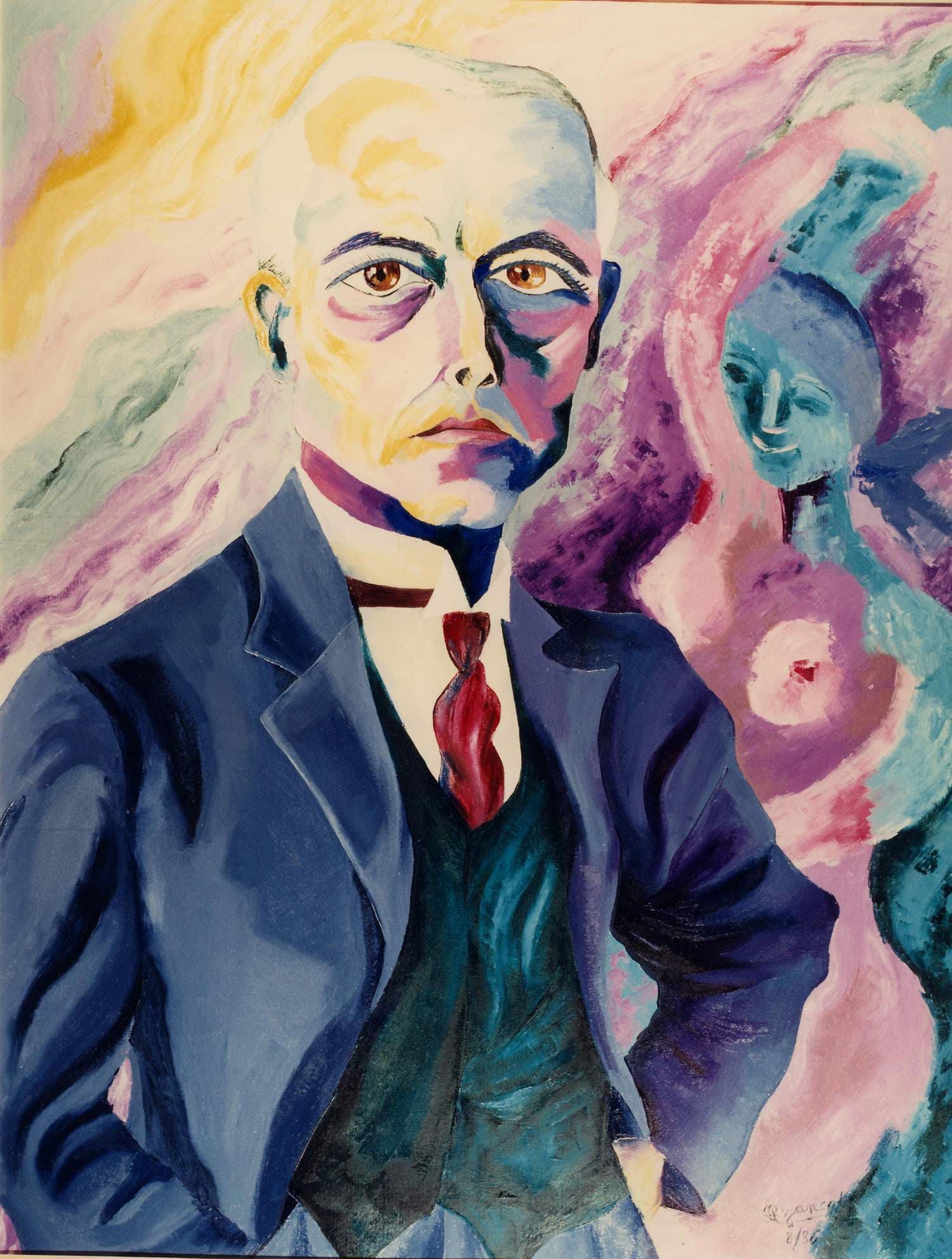
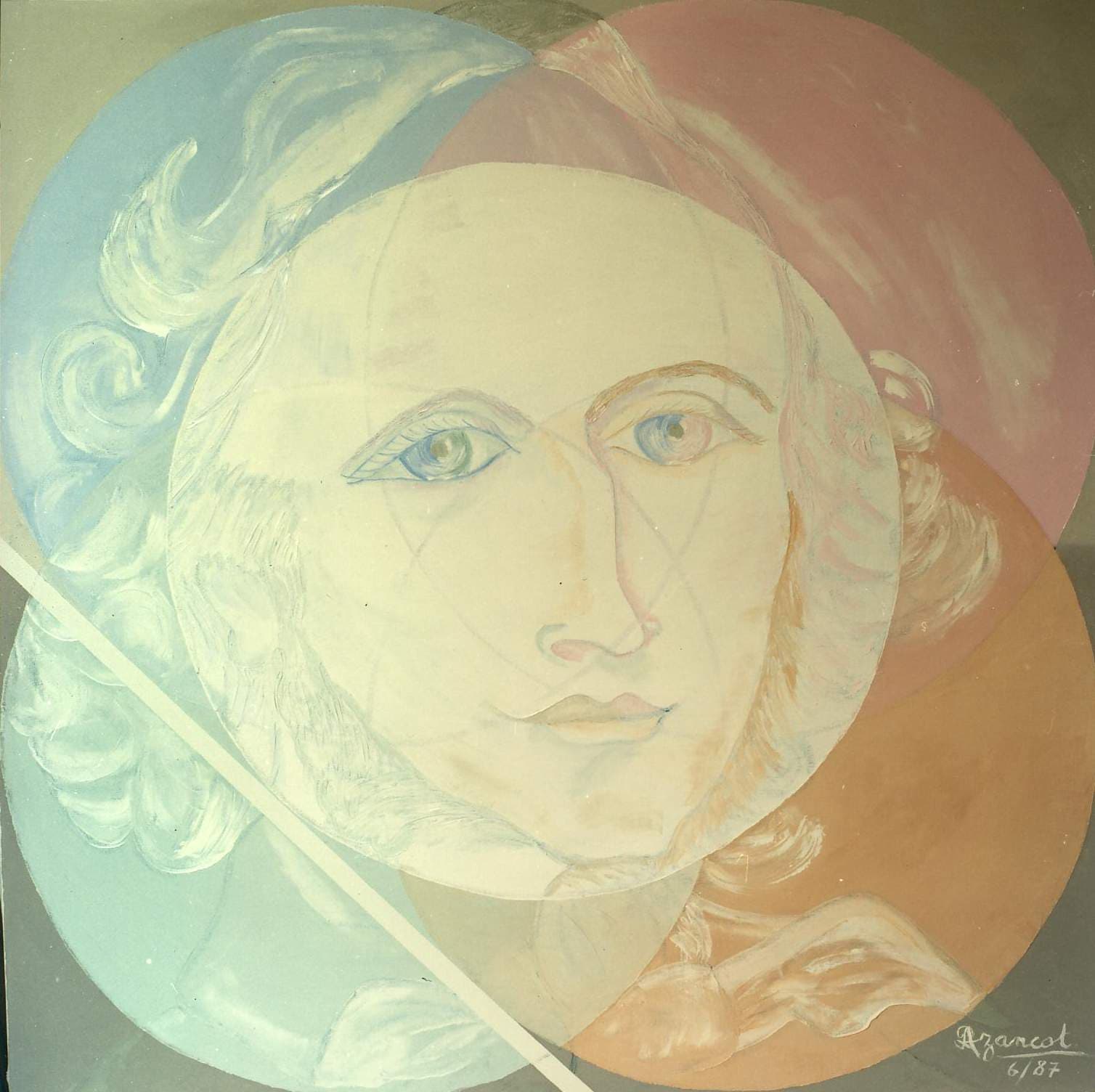
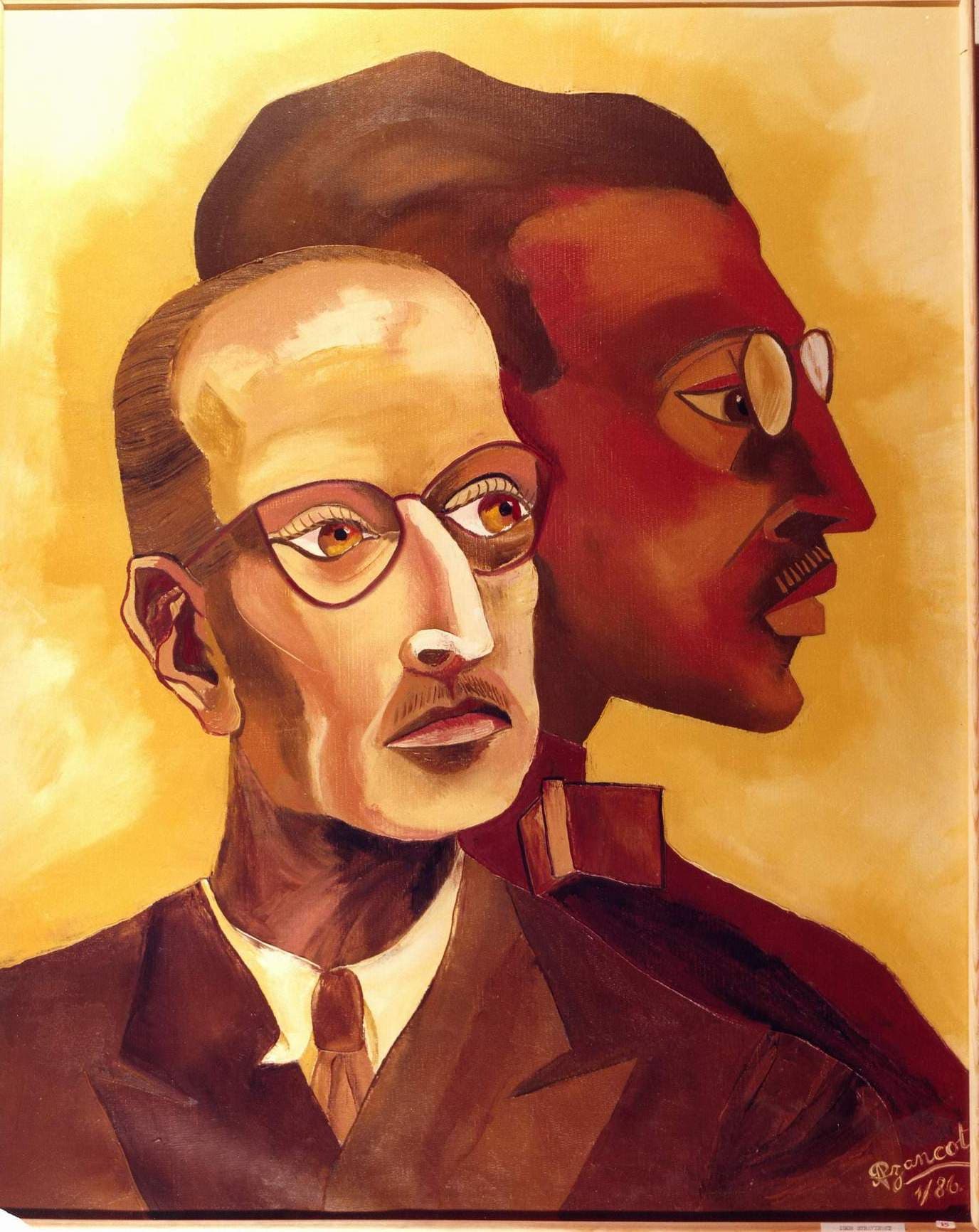
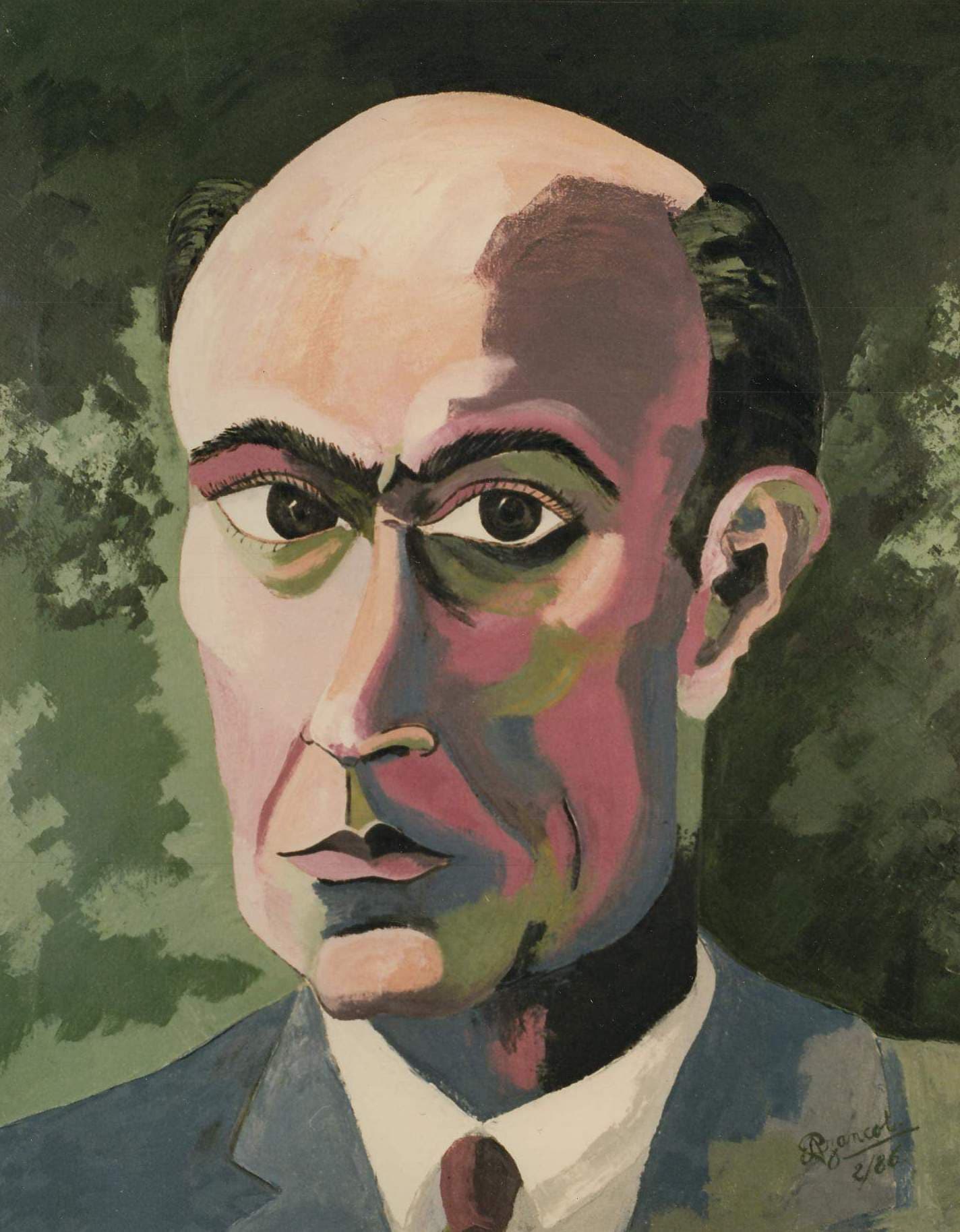
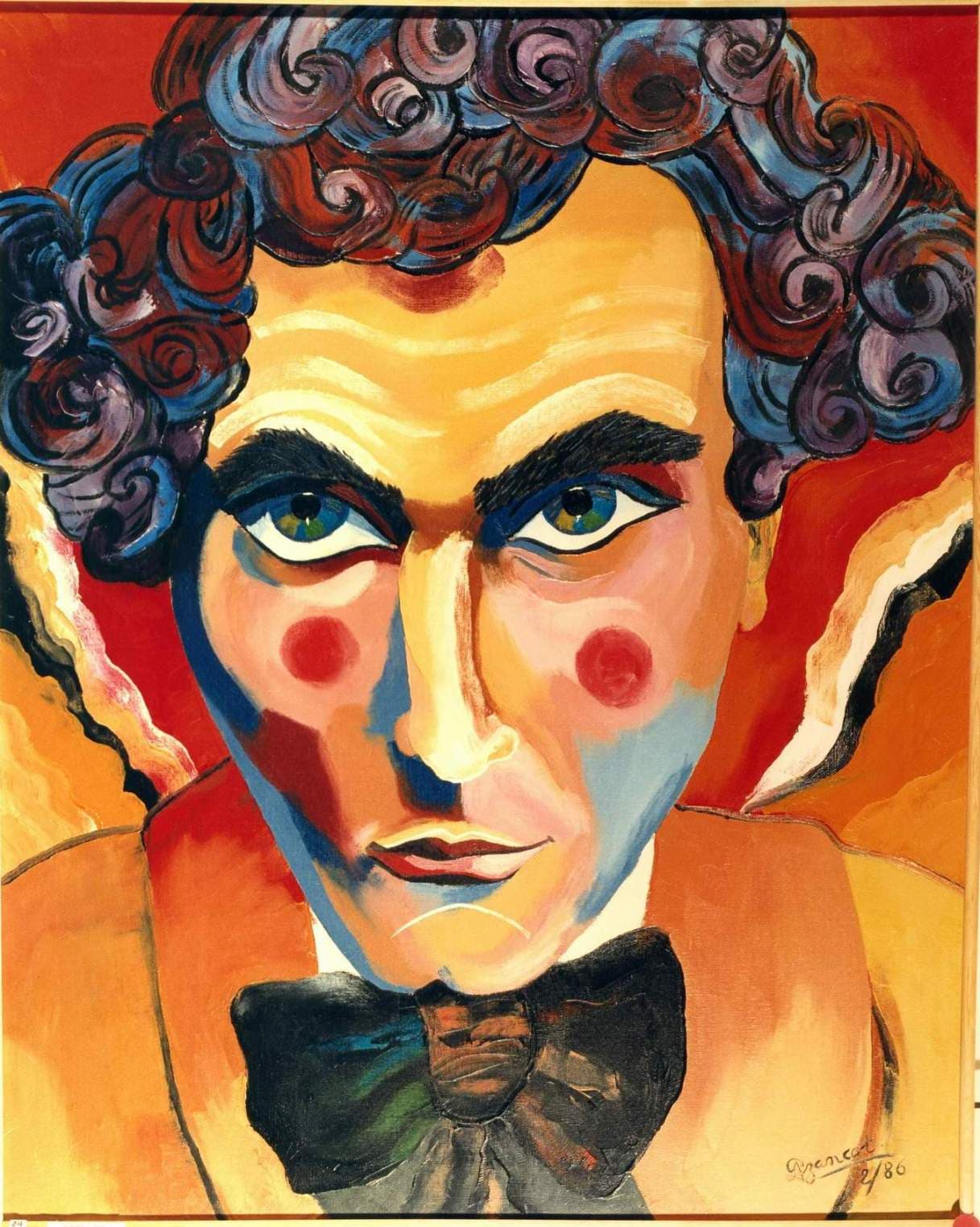
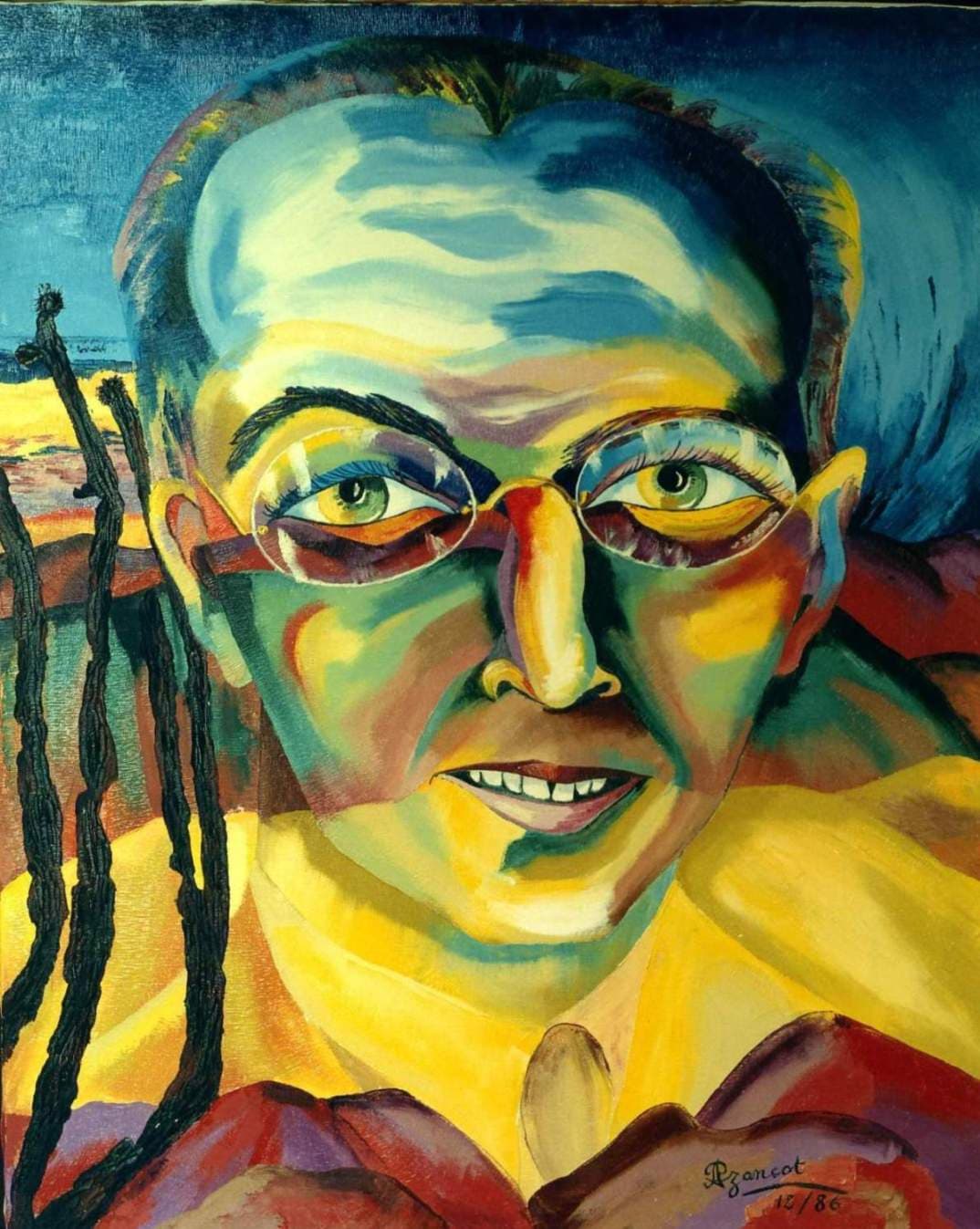
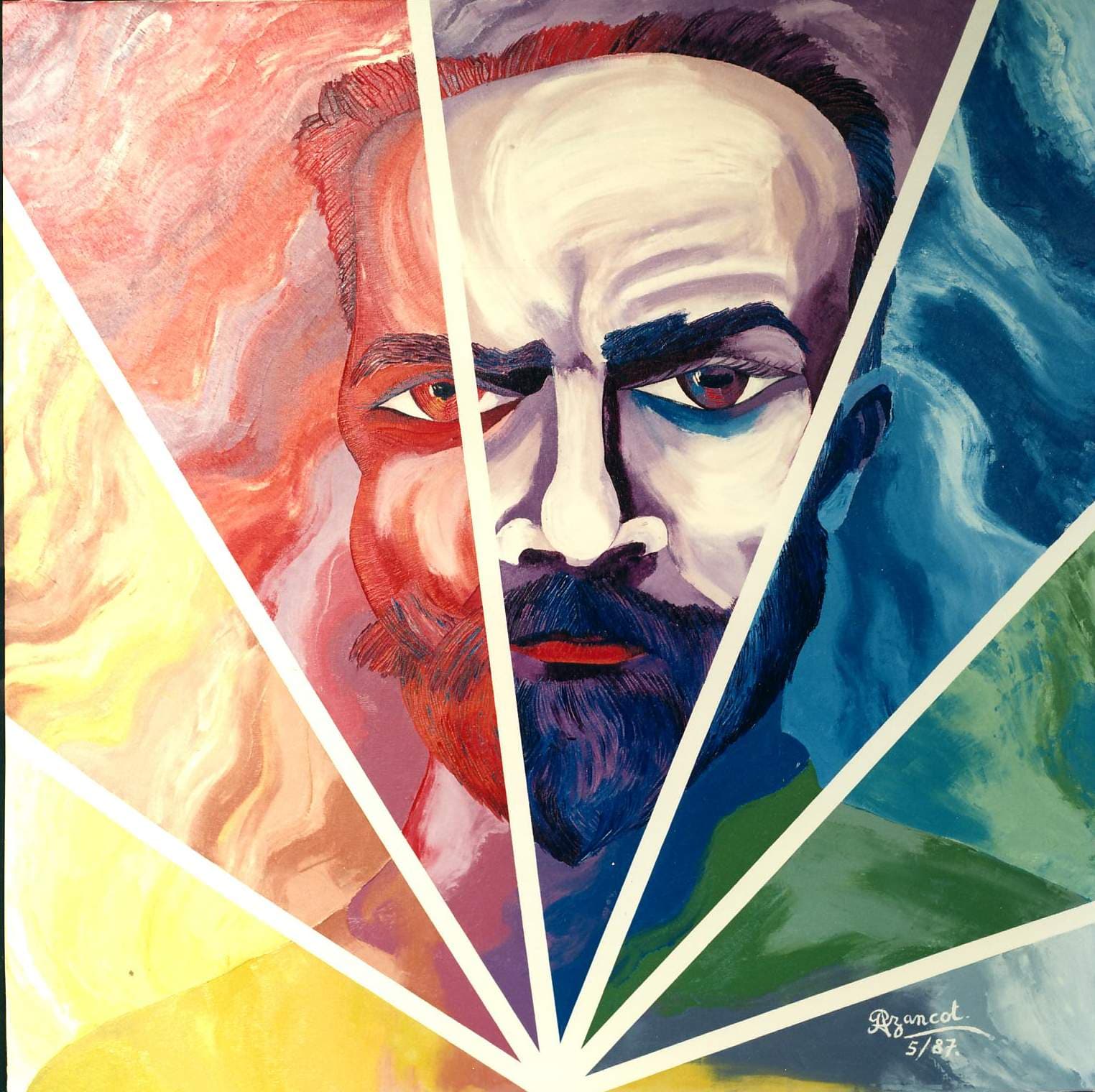
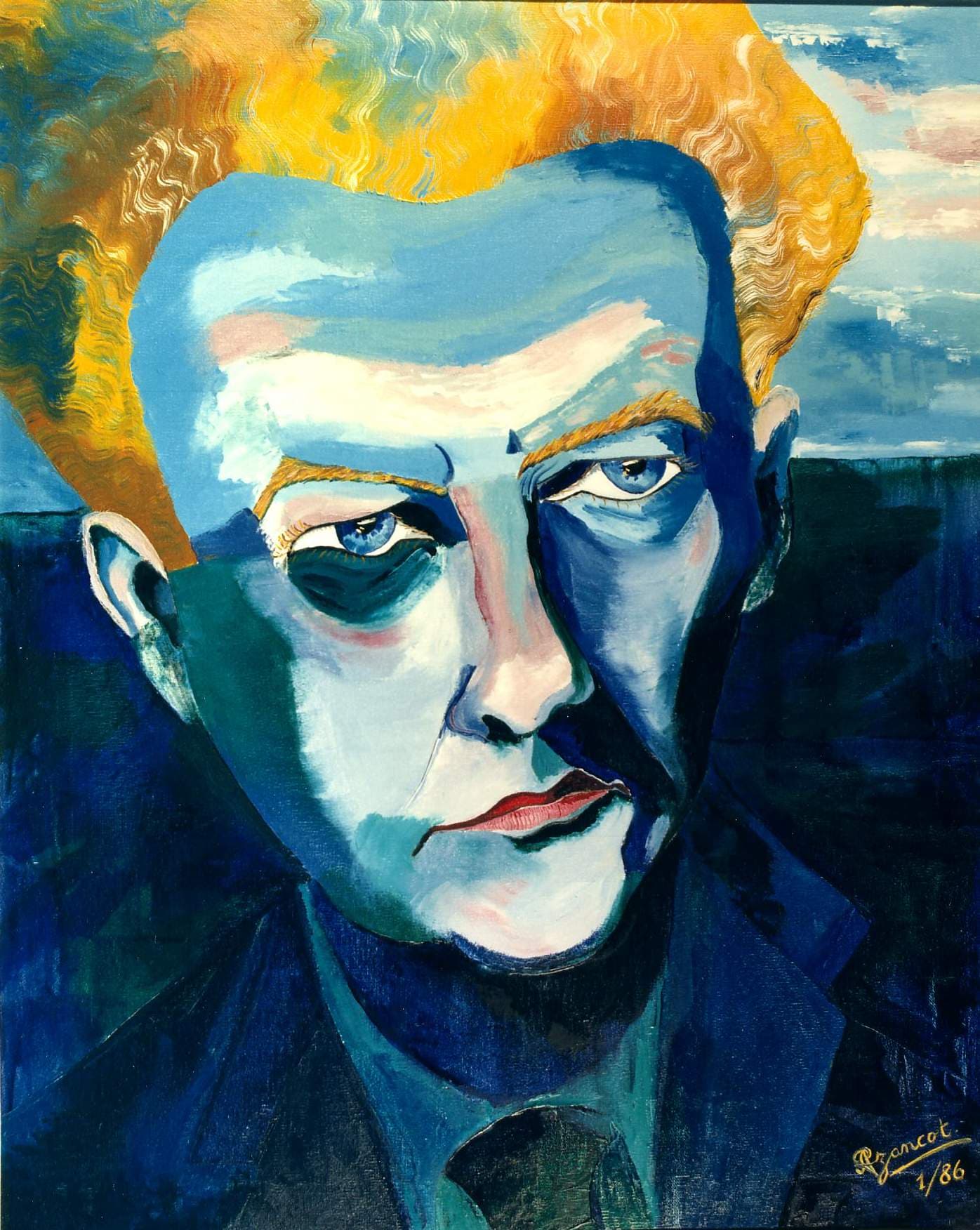
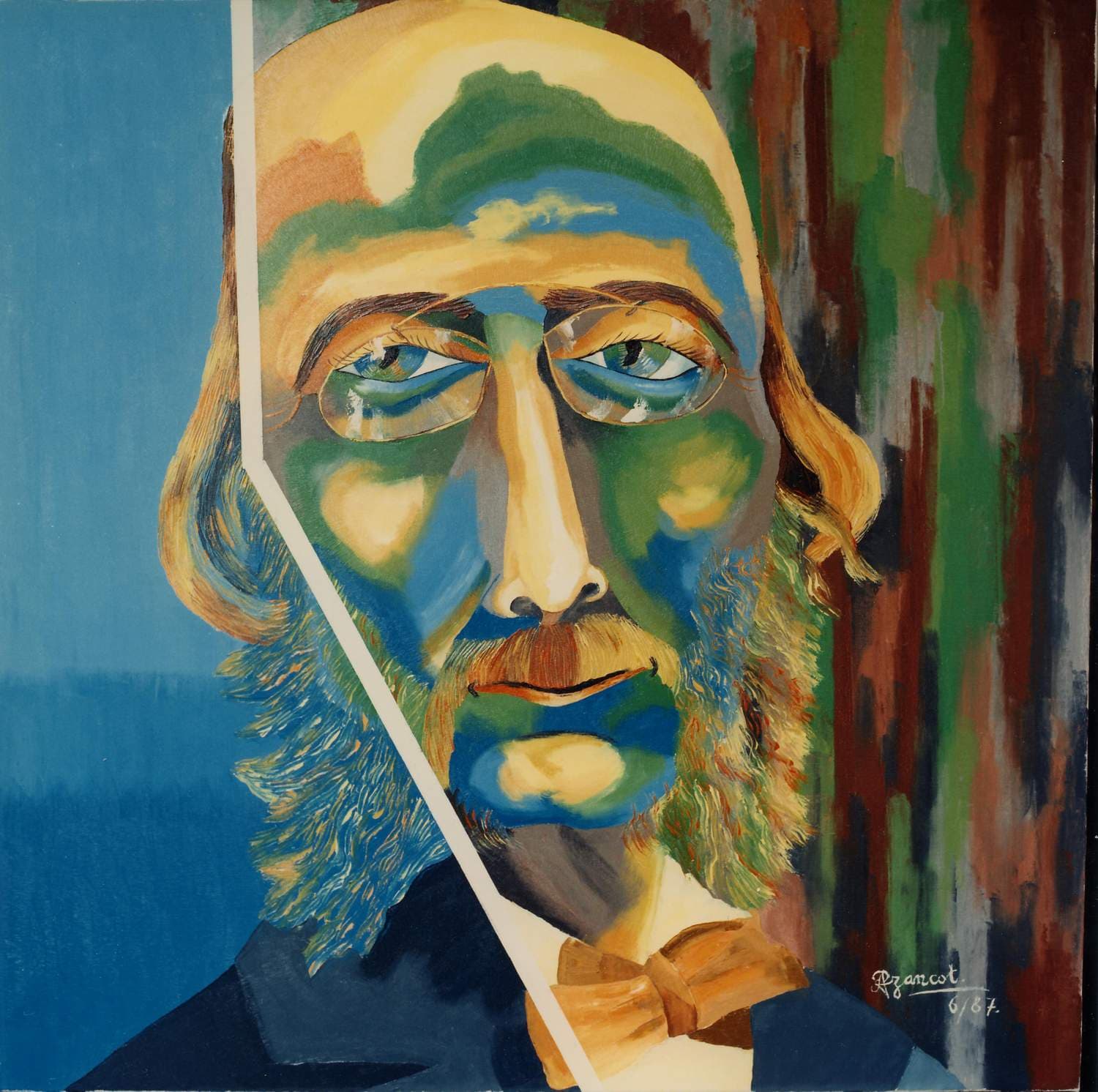
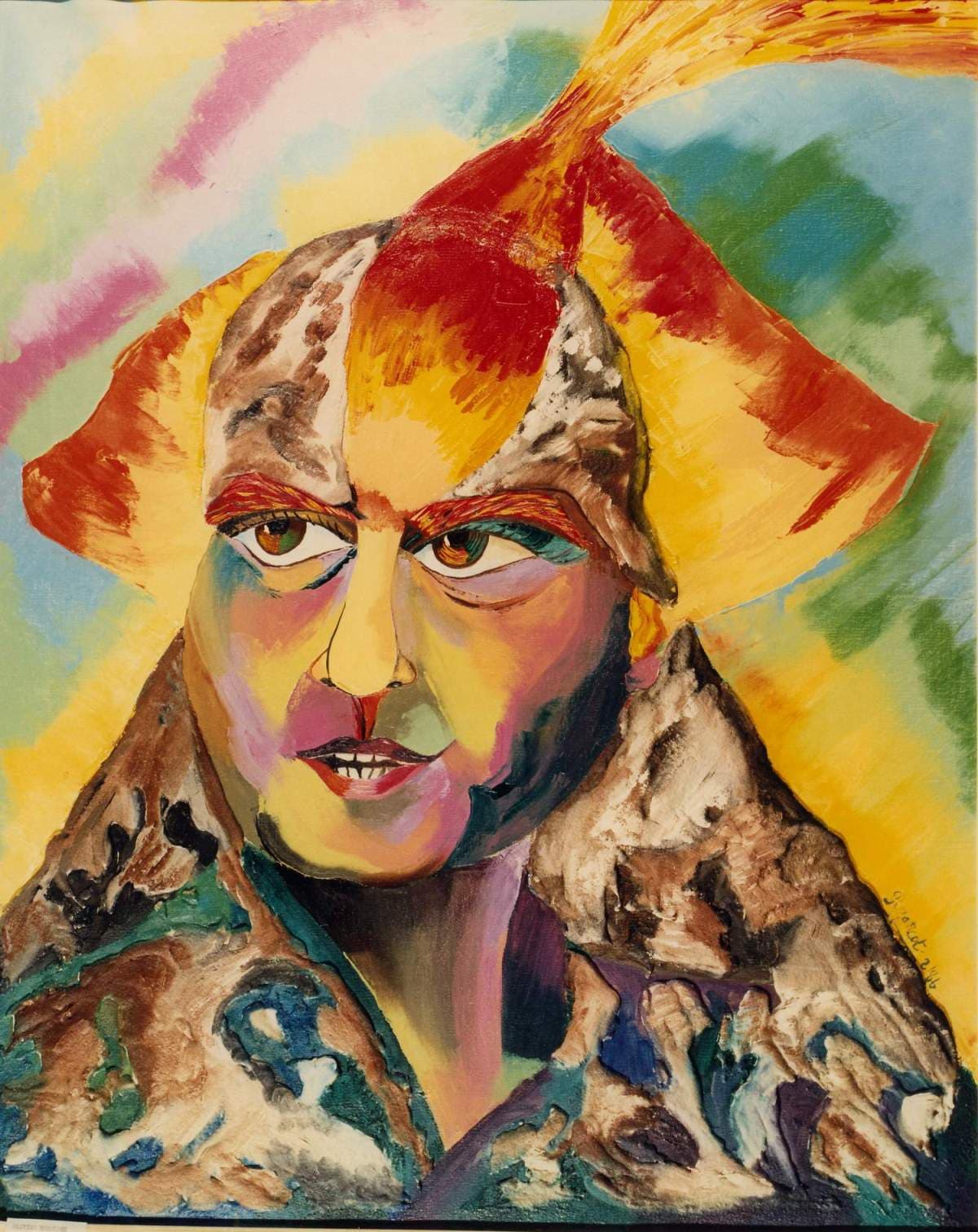
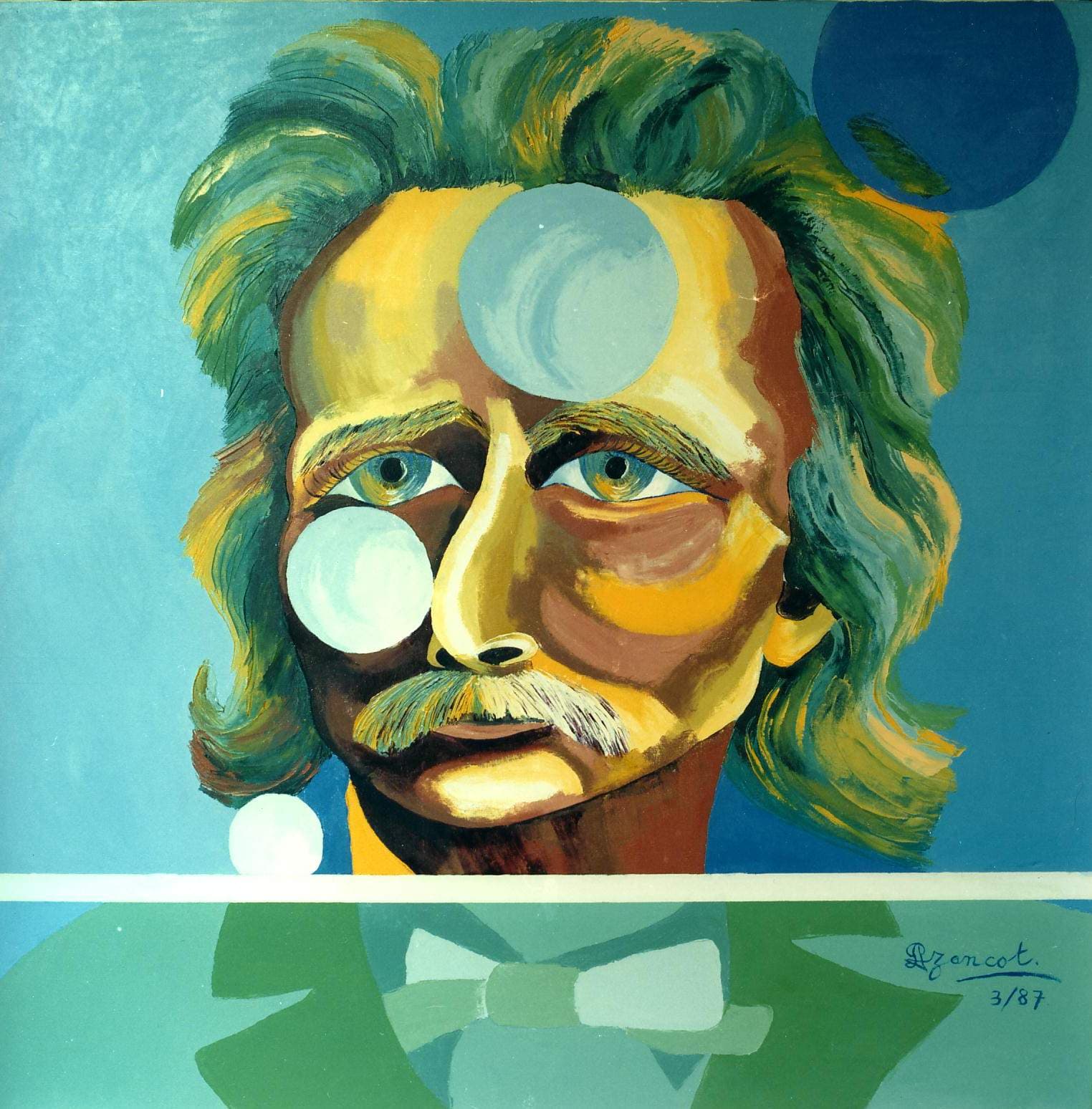
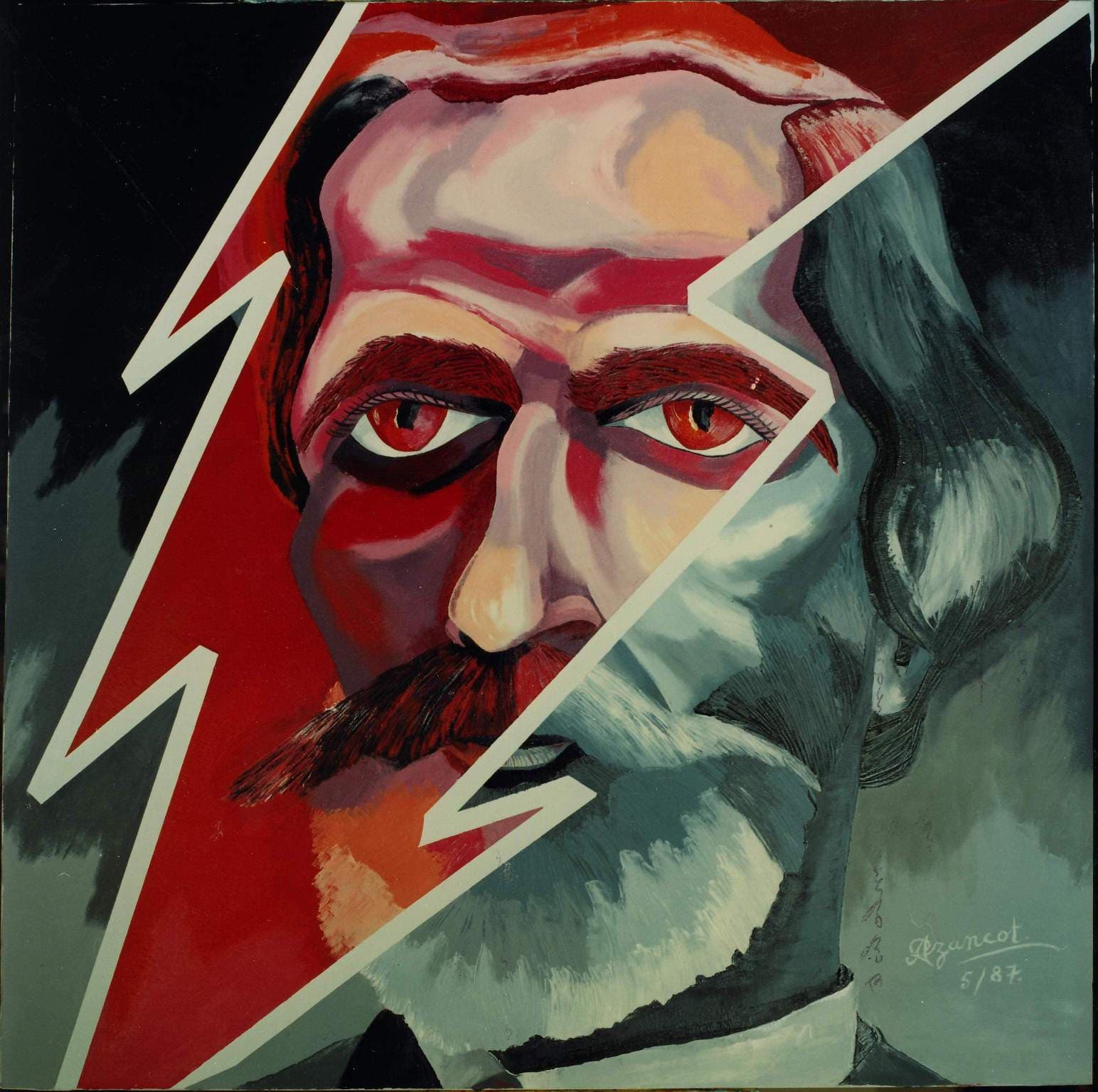
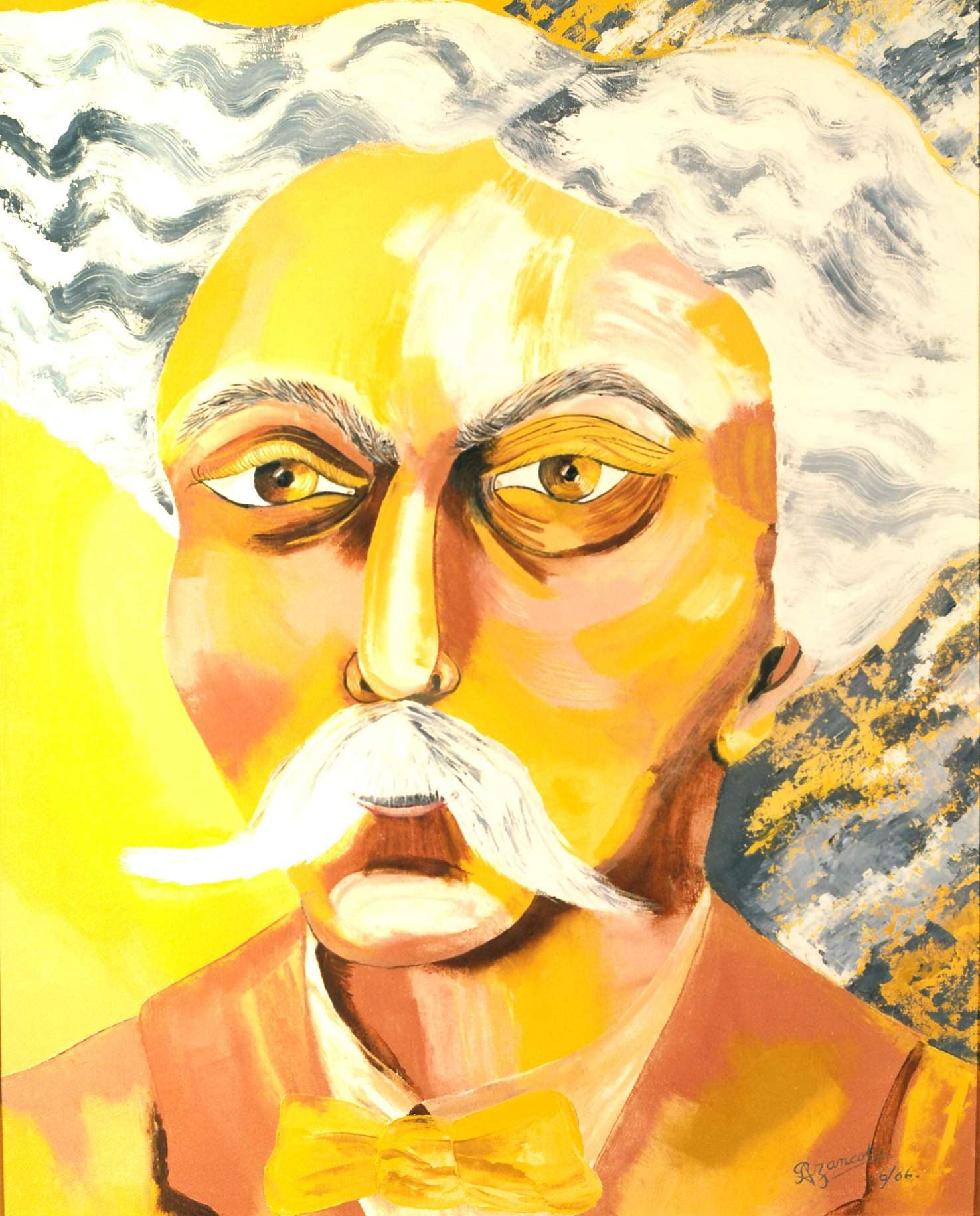
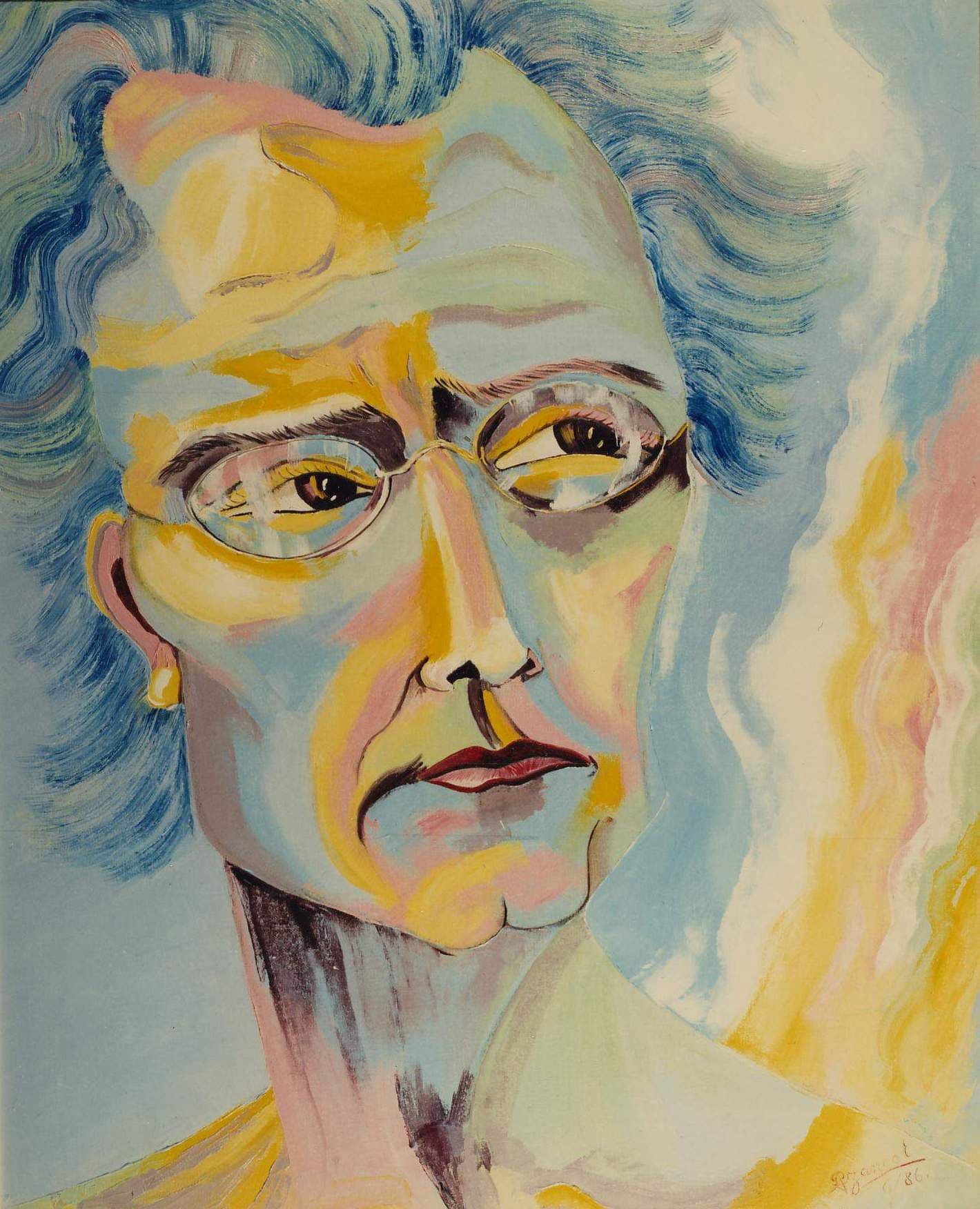
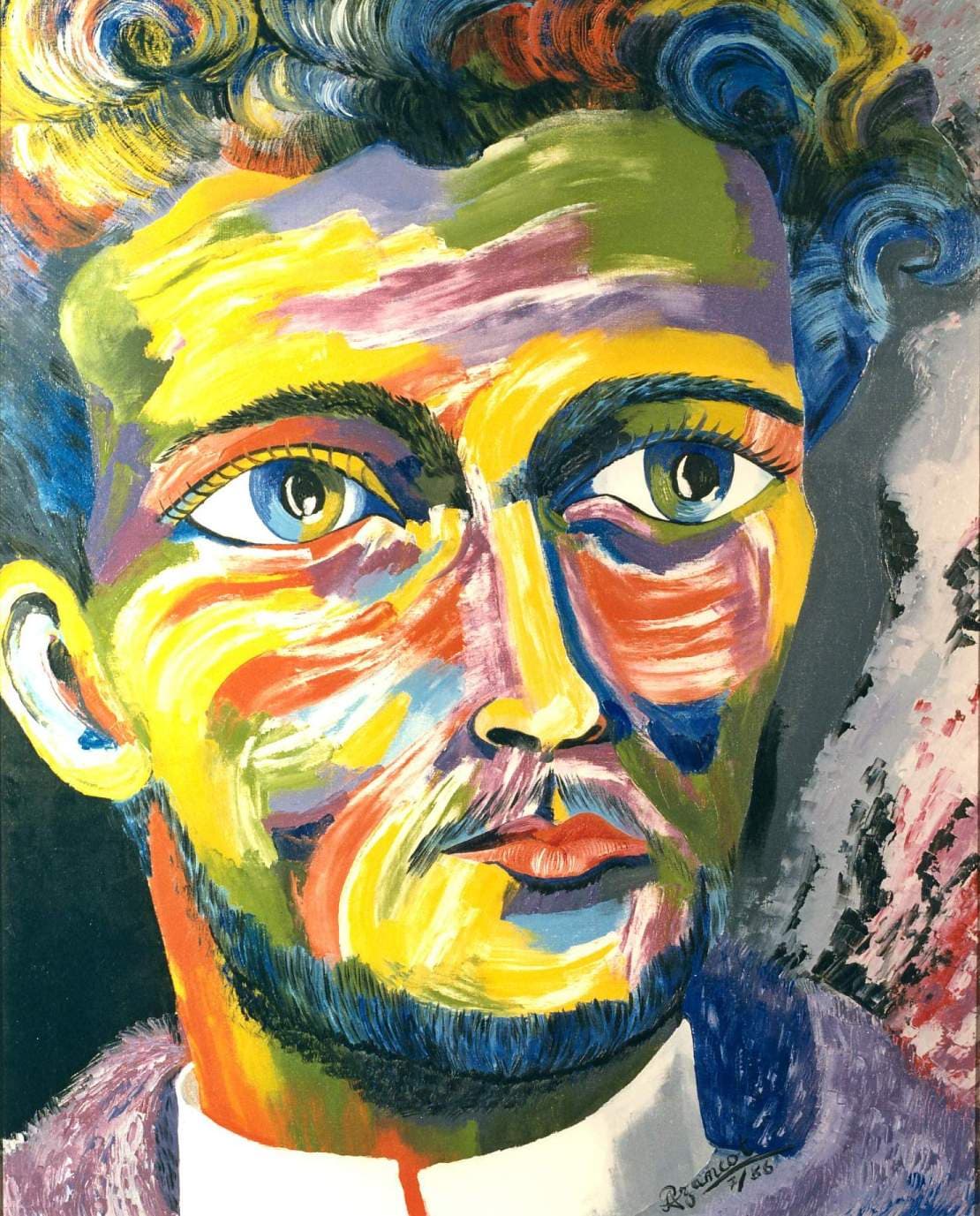
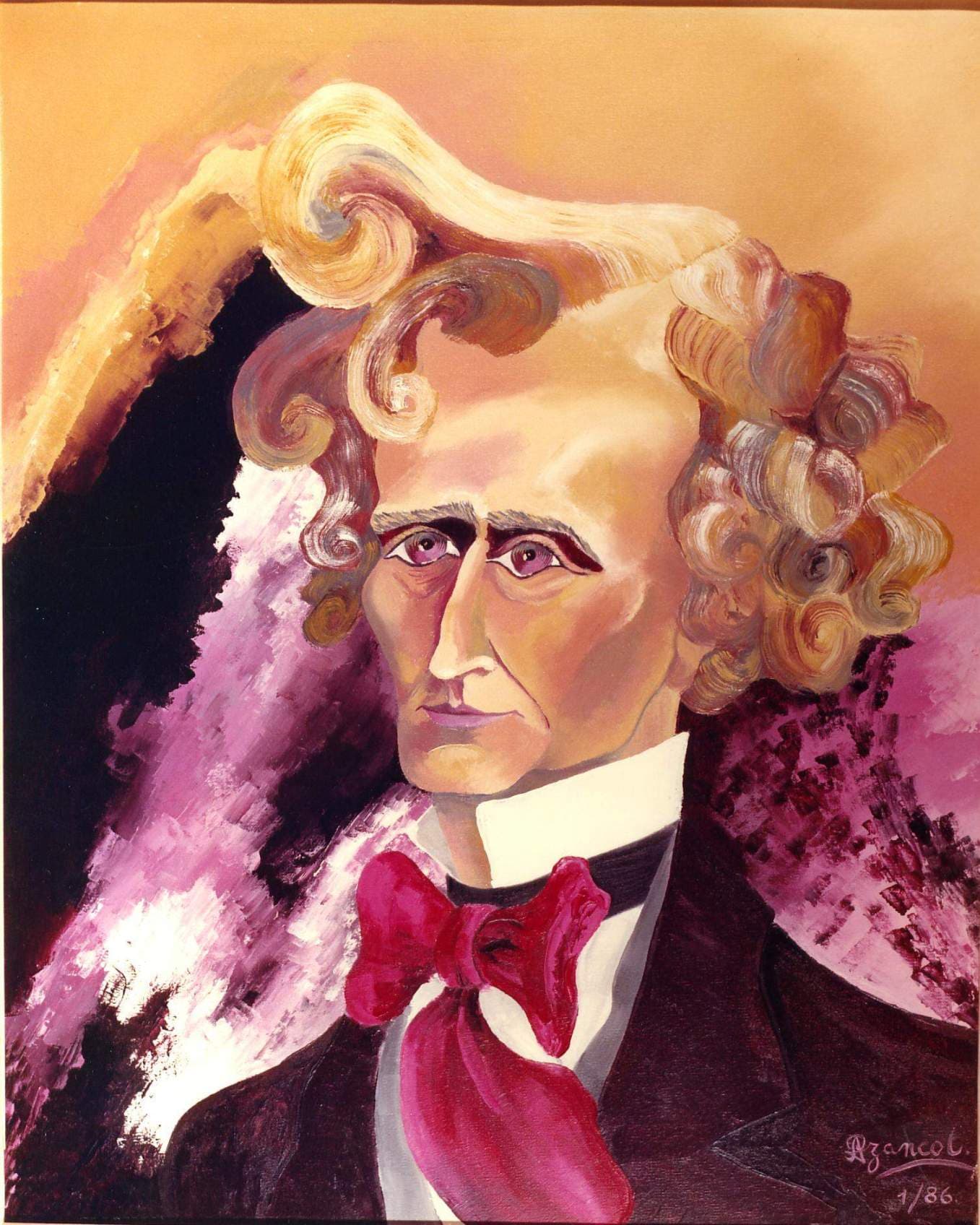
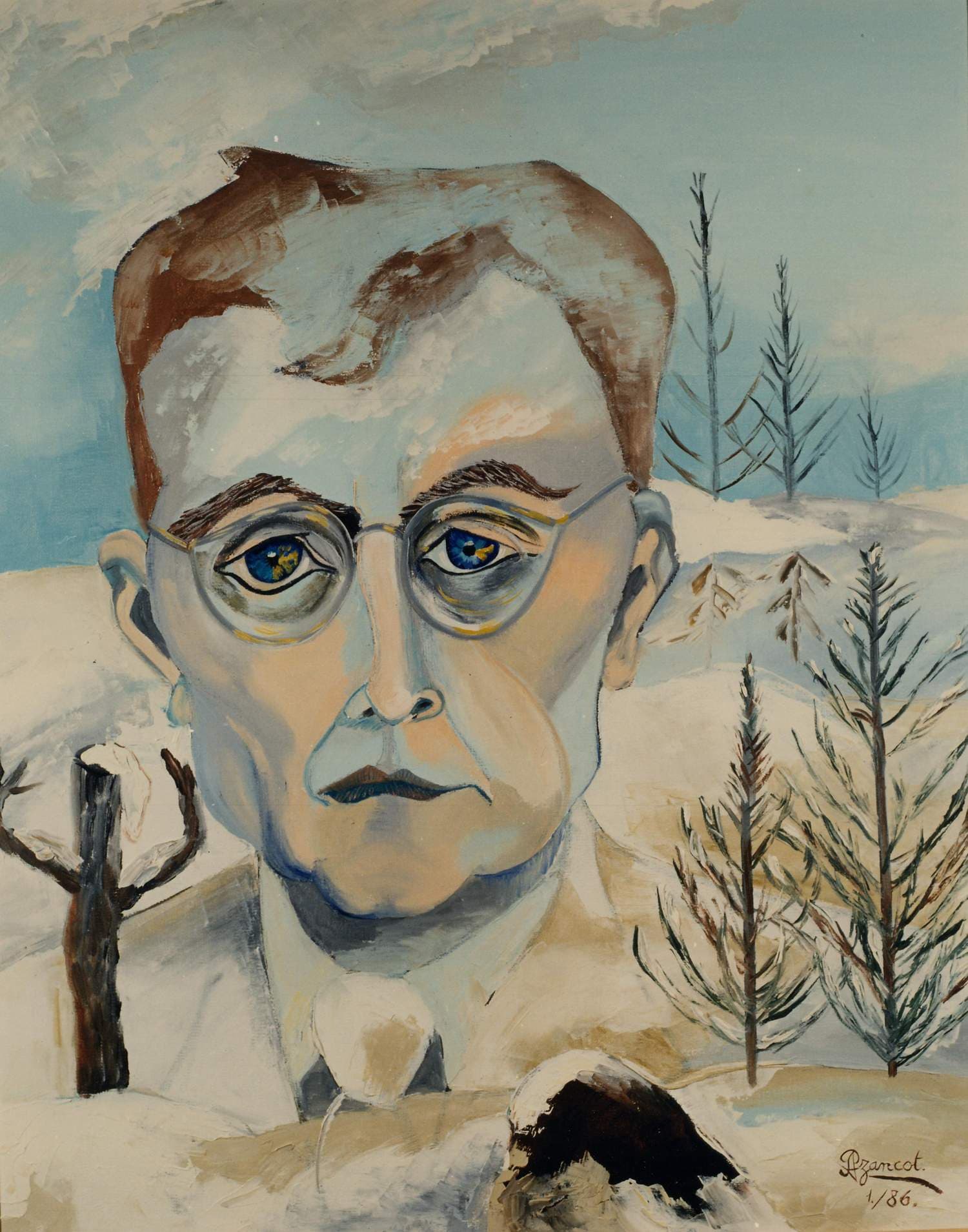
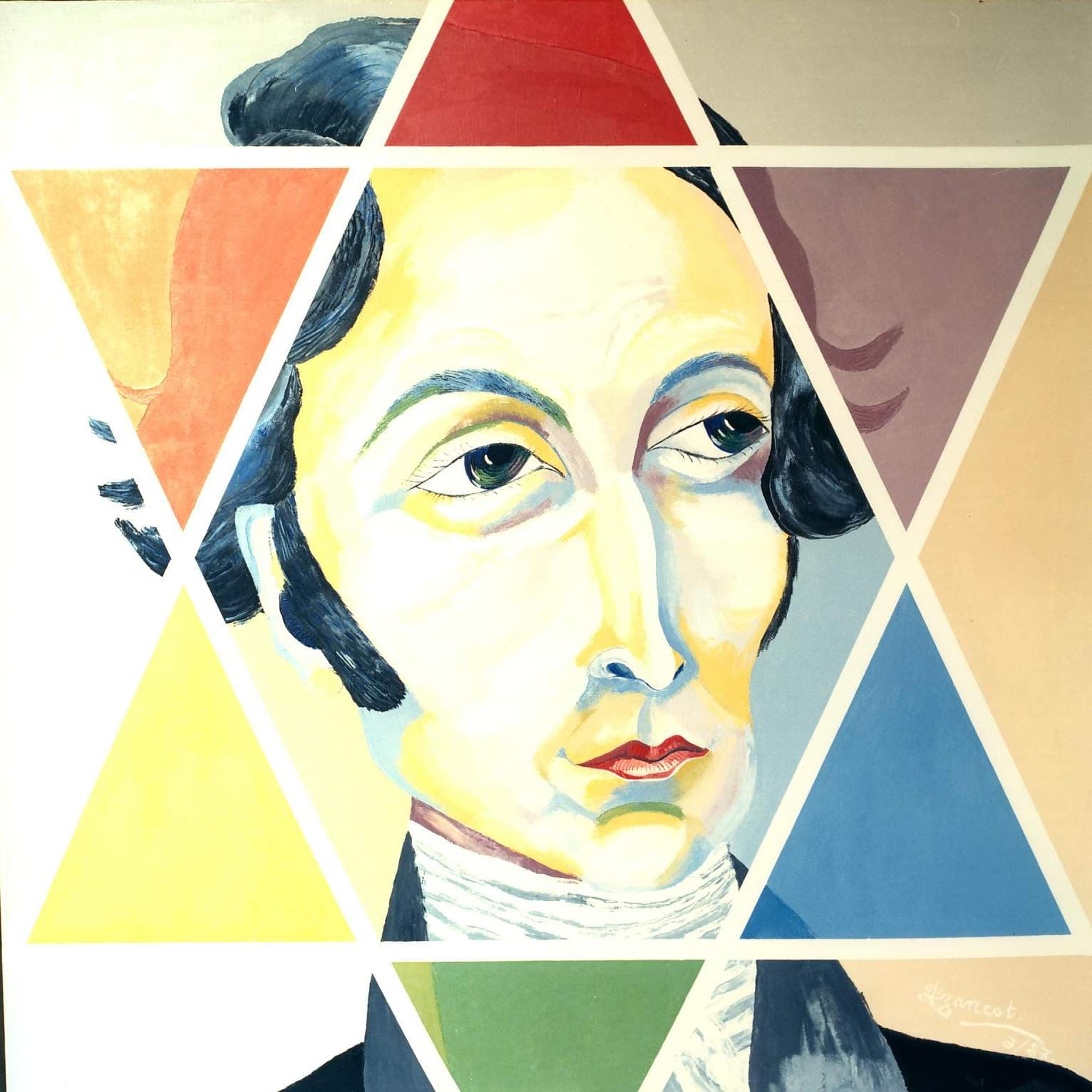
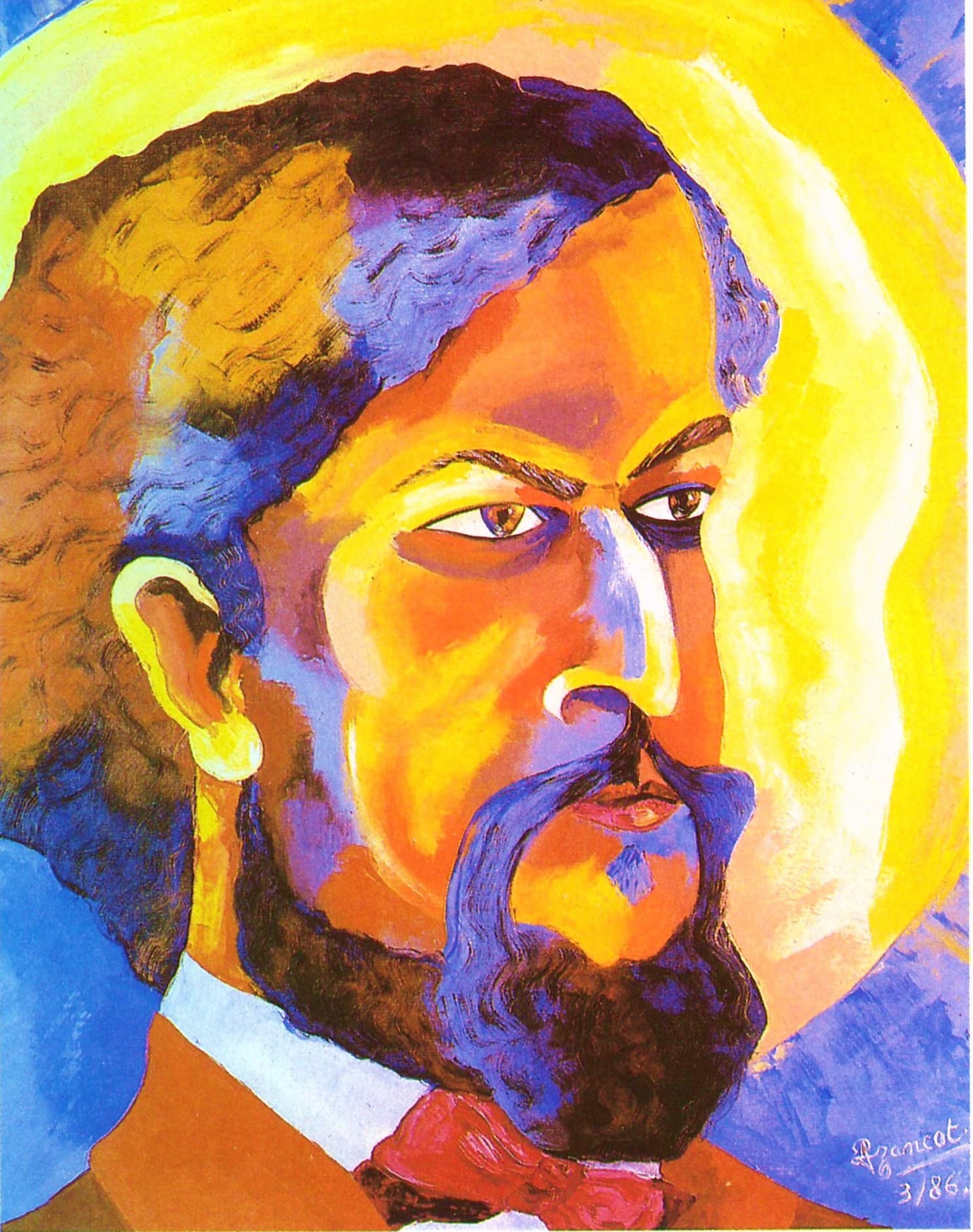
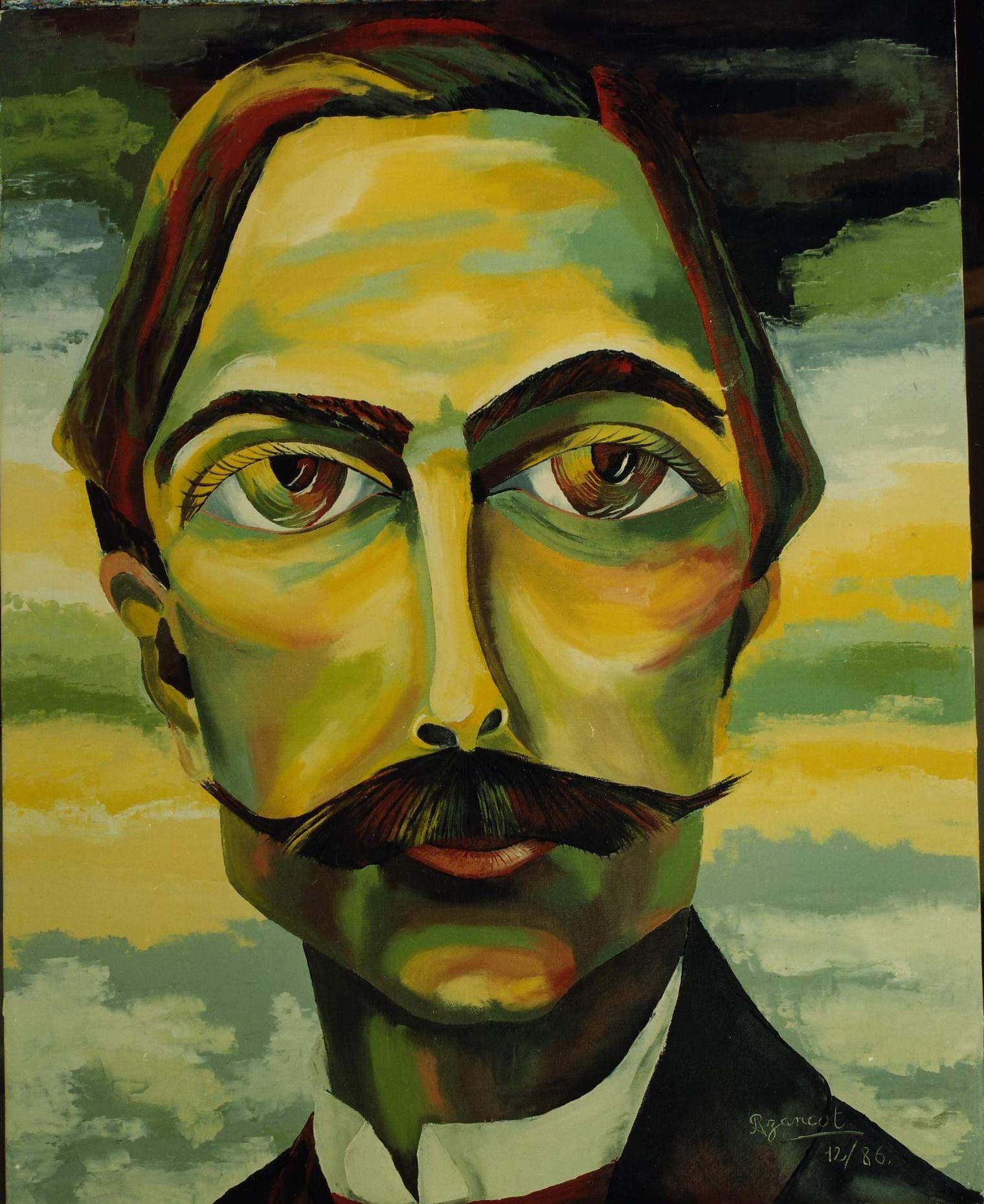
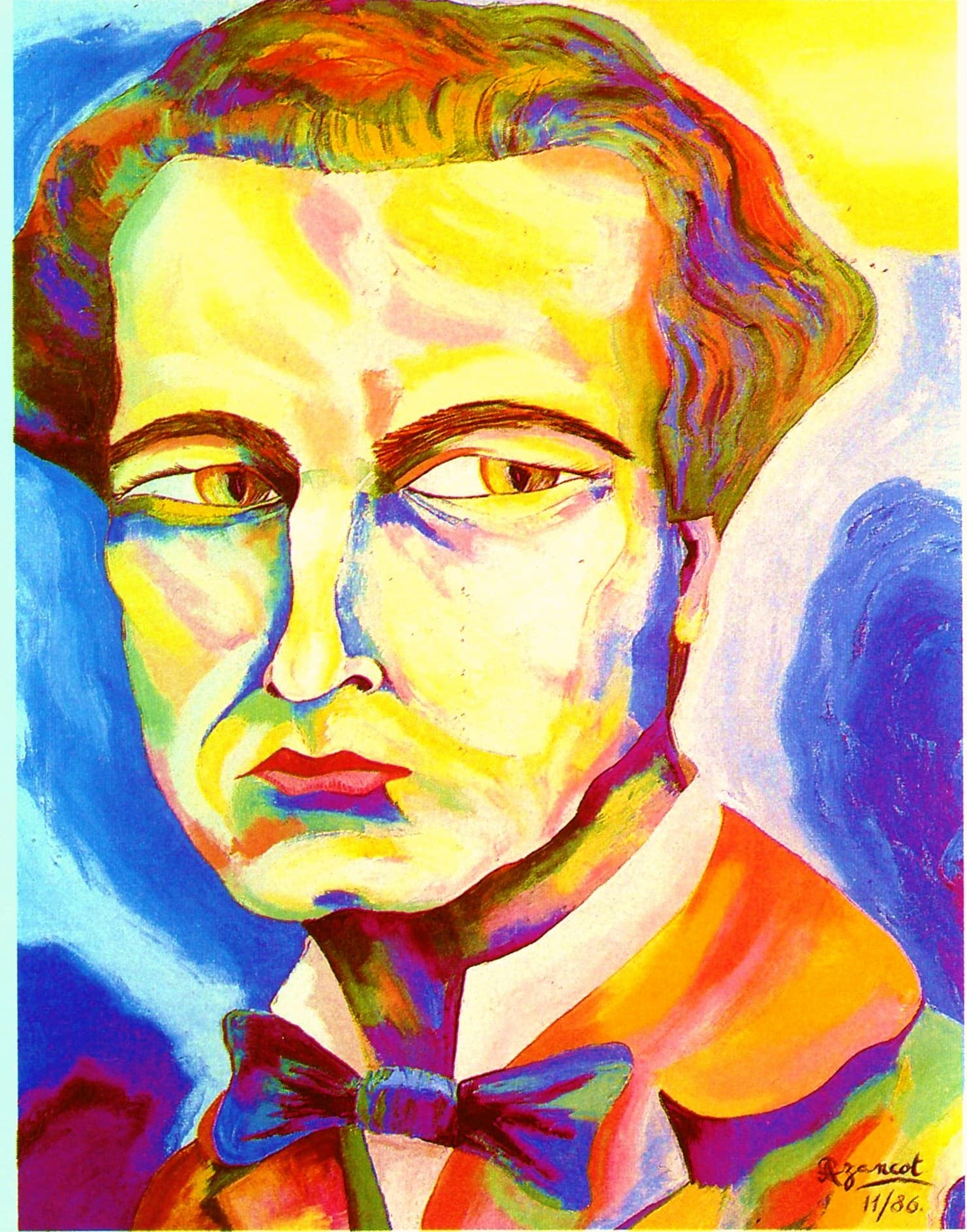
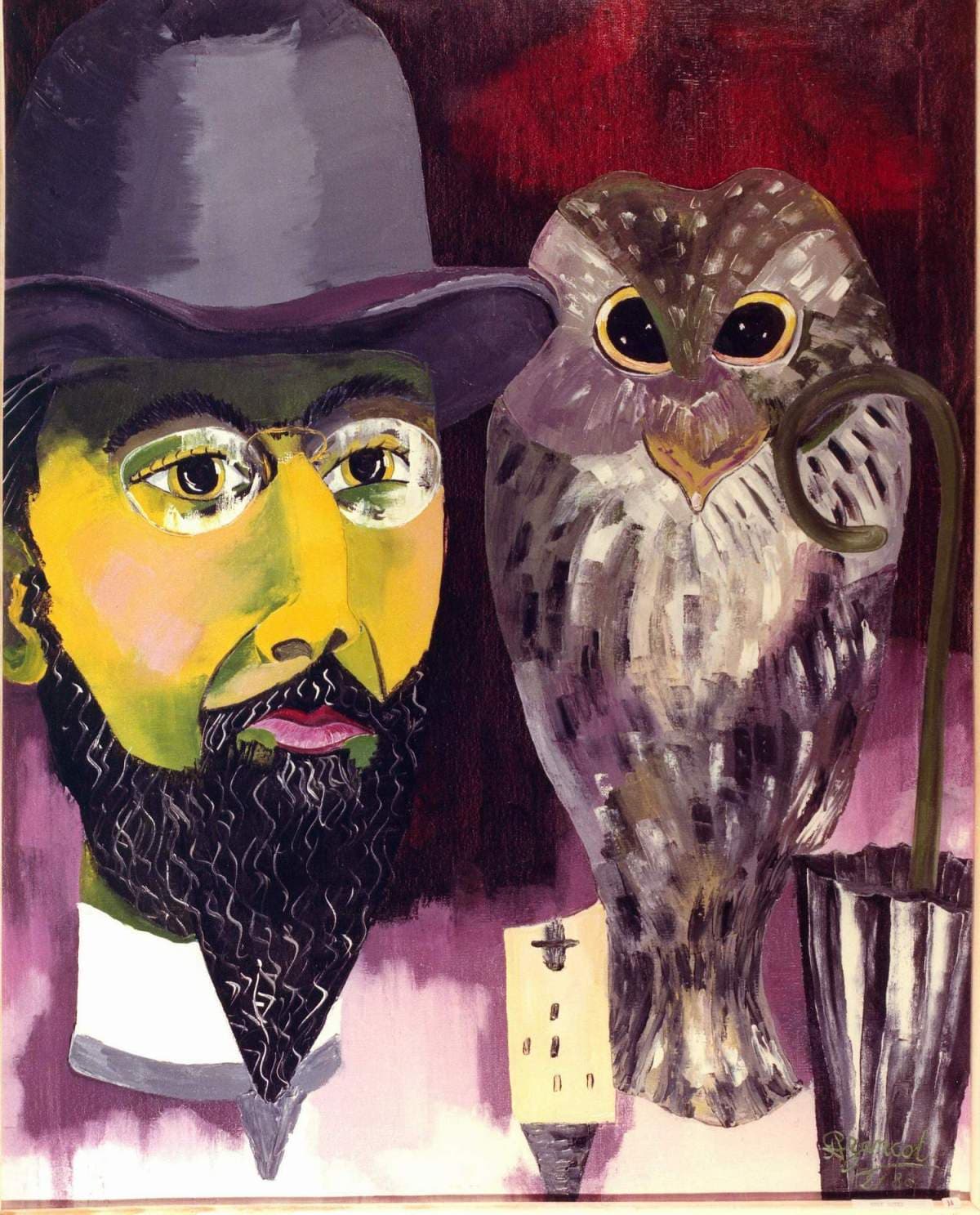
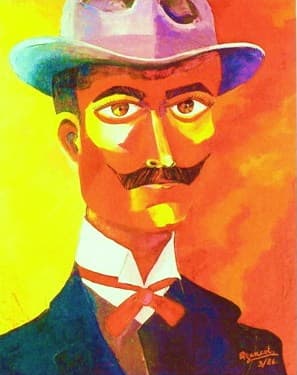
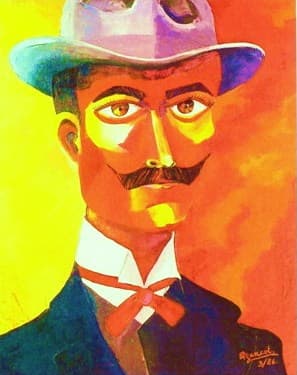
Her painting formed another essential part of her creative identity. While the specific details of her artistic production require closer study through her works, exhibitions, and writings, her role as a painter should not be separated from her broader intellectual vision. For Azancot, painting can be seen as part of a larger search for meaning. The visual image offered another way to explore the human condition, emotional structure, identity, and transformation. Her art likely functioned not merely as decoration or aesthetic exercise, but as an extension of her deeper inquiry into the forces that shape human life.
Azancot’s biography is also important because it reflects the experience of a woman creator working across disciplines. She does not fit neatly into a single category. She was a Sephardic intellectual, a painter, a system builder, and a thinker concerned with transformation. This combination gives her life a distinctive place among artists and theorists whose work moves between psychology, philosophy, identity, and visual creation.
Preciada Azancot passed away in 2017. Her legacy rests on both her artistic practice and her creation of the MAT. Born from a family history marked by persecution and survival, she developed a body of work concerned with analysis, transformation, and the inner life of human beings. As a Sephardic painter and creator, she represents a figure whose life joined memory with invention, and whose work sought to turn understanding into meaningful change.
Represented By
Artworks by Preciada Azancot