Manuel Espínola Gómez
Uruguay, b. 1921, d. 2003
Manuel Espínola Gómez was a Uruguayan painter, scenographer, and graphic designer born on July 5, 1921, recognized as a significant figure in twentieth century Uruguayan visual art. His work reflects a sustained effort to combine formal innovation with social and political content, positioning him as an artist deeply engaged with both visual language and cultural identity. Over the course of his career, he contributed to shaping a modern national aesthetic through painting, design, and institutional involvement.
Espínola Gómez developed his artistic formation within Uruguay, where he engaged with both traditional and modern approaches to art. His work reveals a strong foundation in drawing and composition, combined with an openness to experimentation. Rather than adhering strictly to one style, he explored different visual strategies, allowing his work to evolve in response to changing contexts and ideas.
A defining aspect of his practice is the integration of form and message. His paintings often reflect a concern with social and political realities, addressing themes connected to collective identity, history, and the conditions of contemporary life. At the same time, he maintained a focus on visual structure, using composition, color, and rhythm to support the conceptual dimension of his work. This balance between formal clarity and thematic depth gives his work both visual strength and intellectual resonance.
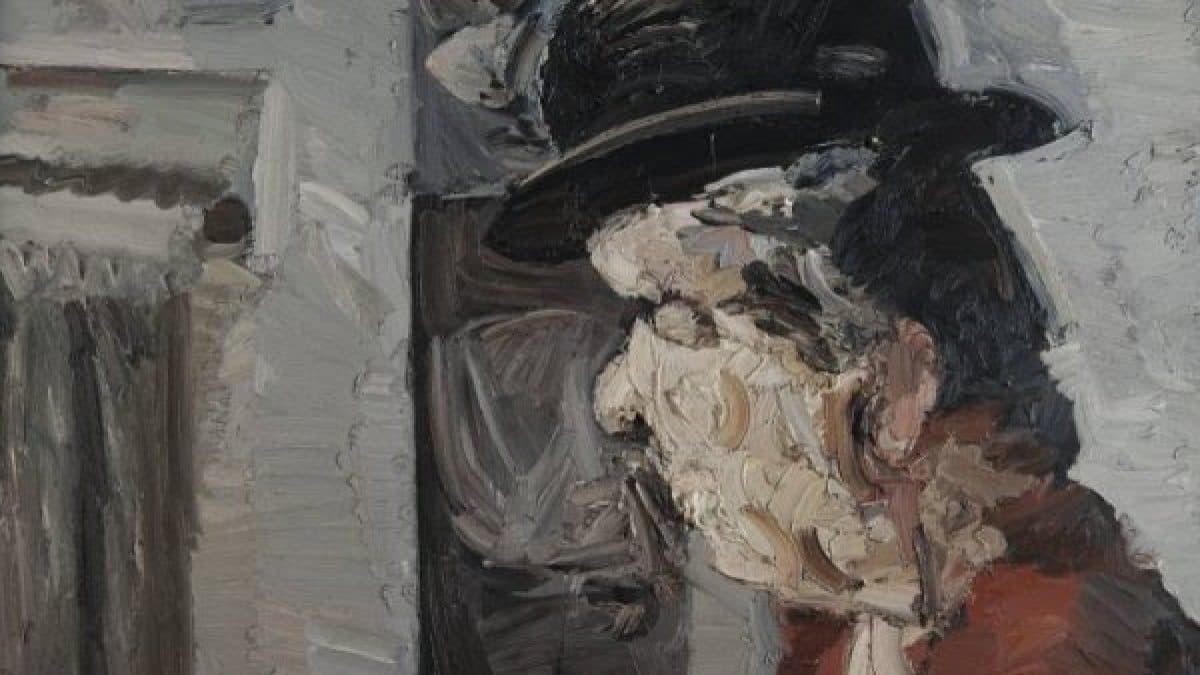
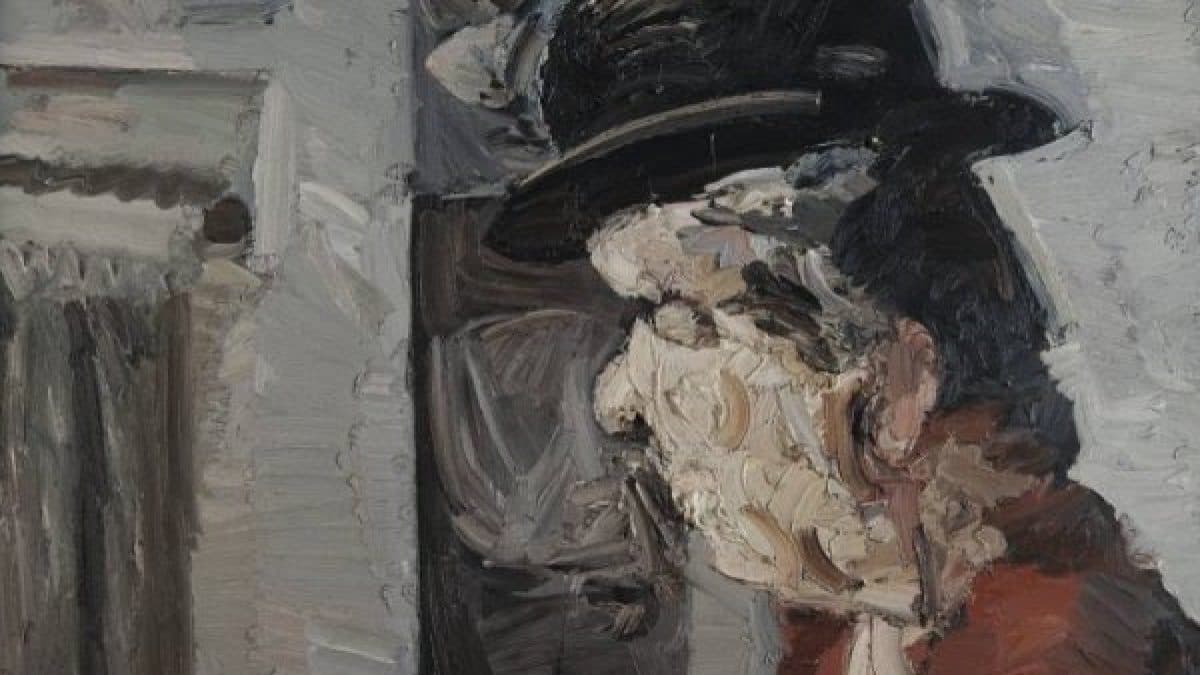
Color plays an important role in his compositions, often used to create contrast, movement, and emphasis. His approach to color is deliberate, reinforcing the structure of the image while also contributing to its expressive impact. His surfaces may show a controlled yet dynamic handling of materials, reflecting both discipline and experimentation.
In addition to painting, Espínola Gómez worked in scenography and graphic design, extending his visual language into applied and public contexts. His work in design allowed him to engage directly with national imagery, contributing to the construction of visual symbols and identities that reached a broader audience. This aspect of his career highlights his role not only as an artist but also as a cultural contributor.
He was also involved in institutional and cultural projects, further expanding his influence within Uruguay’s artistic landscape. Through these activities, he helped shape the direction of visual arts in his country, supporting both the development of artistic practice and its public presence. Throughout his career, Manuel Espínola Gómez exhibited widely and gained recognition for his contributions to art and culture. His work continues to be valued for its ability to merge aesthetic exploration with social awareness.
Manuel Espínola Gómez died on May 10, 2003. He is remembered as an artist who combined innovation, discipline, and cultural engagement, creating a body of work that reflects both personal vision and a broader commitment to national identity.
Represented By
Artworks by Manuel Espínola Gómez