Domingo García
Puerto Rico, b. 1932, d. 2022
Domingo García was a Puerto Rican painter, printmaker, and educator born in 1932. He became one of the significant figures in Puerto Rican art during the second half of the twentieth century and is especially associated with the “Generación de los Cincuentas,” or Generation of the 1950s. This group of artists played an important role in shaping modern Puerto Rican visual culture, working at a time when questions of identity, social change, national consciousness, and artistic experimentation were central to the island’s cultural life.
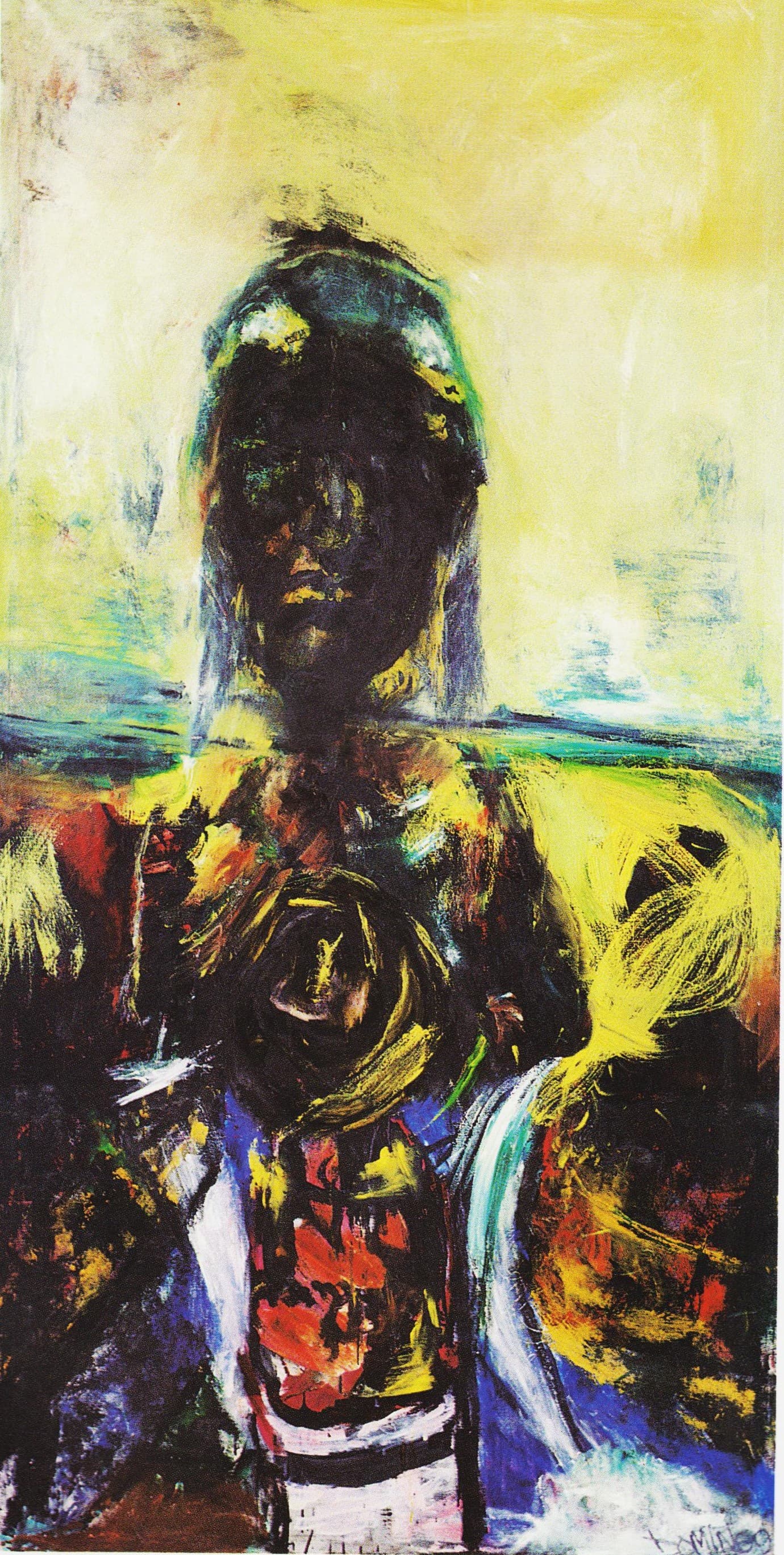
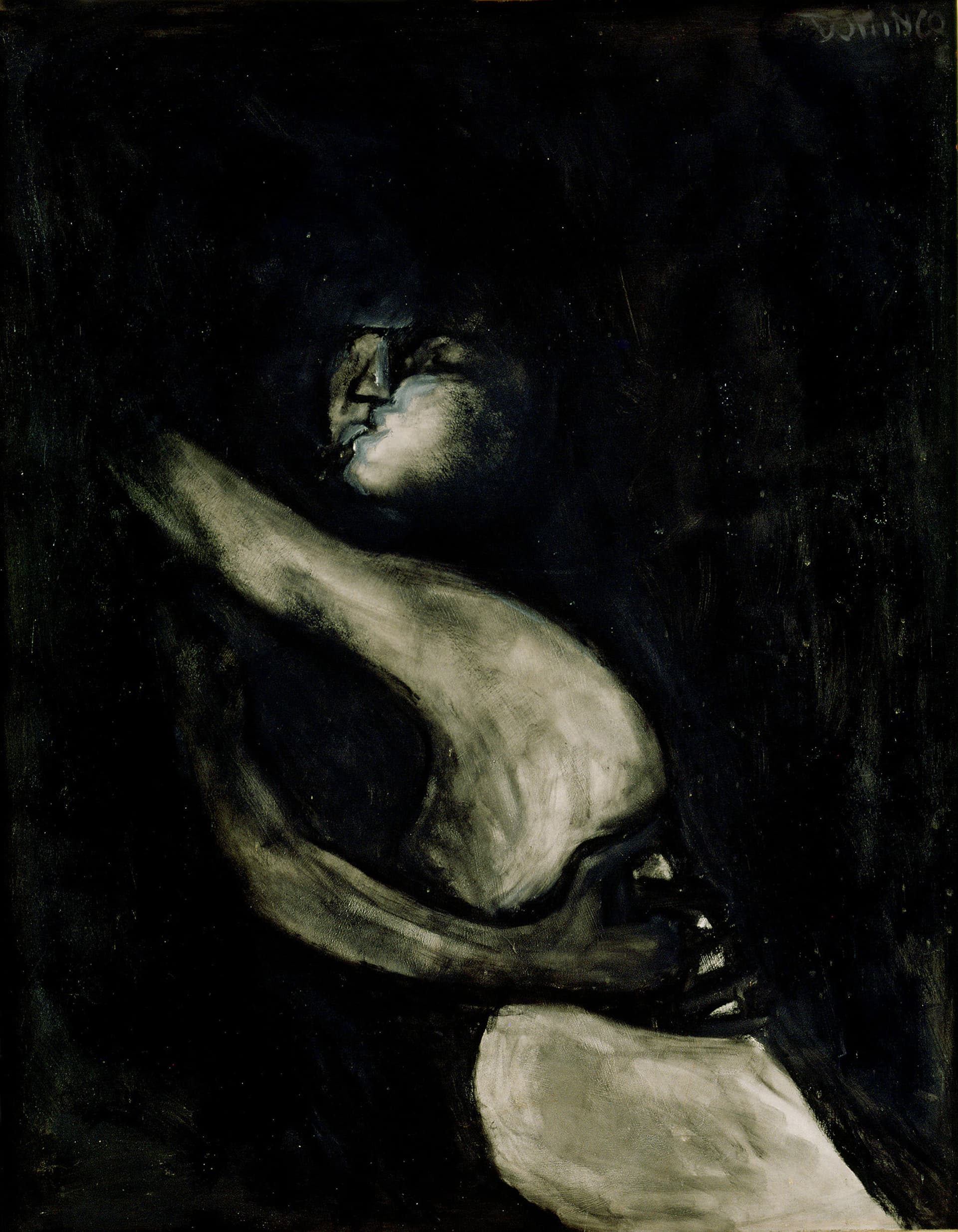
García’s work is best known for its expressionist portraits and self-portraits. Through these images, he explored the human face not simply as a likeness, but as a site of emotion, tension, memory, and psychological depth. His portraits often suggest an interest in the inner life of the subject rather than surface appearance alone. In this sense, García’s painting belongs to a tradition in which portraiture becomes a form of inquiry. The face becomes a way to examine identity, vulnerability, character, and the complexities of human experience.
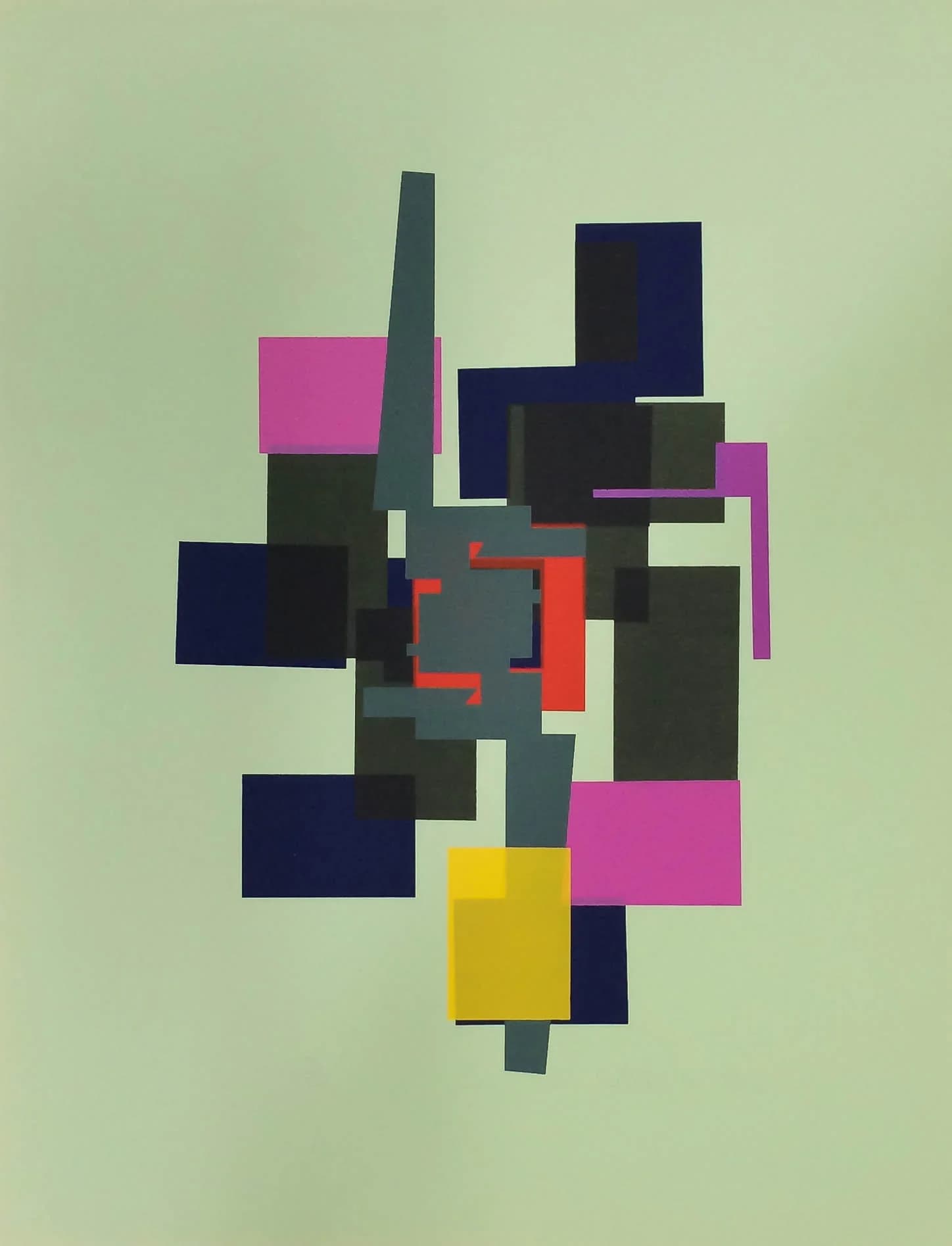
Although García worked with recognizable human subjects, his style was shaped by modern artistic currents, including abstraction and pop art. These influences helped move his work beyond traditional realism. Abstraction allowed him to simplify, distort, or intensify form in order to reach a deeper emotional effect. Pop art, with its attention to bold imagery and the visual language of modern culture, offered another source of energy and structure. García combined these influences with an expressionist sensibility, creating work that felt personal, direct, and psychologically charged.
His self-portraits are especially important within his artistic legacy. The self-portrait has long been a powerful genre for artists who use their own image as a field of experimentation. For García, the self-image became a way to investigate not only personal identity, but also the broader role of the artist in society. His self-portraits can be understood as acts of reflection, confrontation, and transformation. They suggest an artist willing to look inward while also engaging with the visual and cultural questions of his time.
In addition to painting, García was active as a printmaker. Printmaking has had a strong history in Puerto Rican art, particularly because of its ability to circulate images more widely and connect art with public life. García’s work in this medium placed him within a broader cultural tradition in which artists used graphic techniques to explore identity, politics, and social experience. His activity as both painter and printmaker shows the range of his creative practice.
García was also an important educator. His role as a teacher extended his influence beyond his own body of work and into the formation of younger artists. Through education, he contributed to the continuity of Puerto Rican art and helped sustain a serious cultural environment for artistic development. His founding of Galería Campeche in San Juan further strengthened his position as an influential cultural figure. The gallery became an important space for artistic exchange, visibility, and dialogue, helping support Puerto Rico’s creative community.
Domingo García died in 2022. His legacy rests on his contributions as an artist, teacher, printmaker, and founder of an important gallery space. As a member of the Generación de los Cincuentas, he helped define a period of artistic growth in Puerto Rico. His portraits and self-portraits remain central to his reputation, admired for their emotional intensity, expressive force, and psychological depth.
Represented By
Artworks by Domingo García