Candido Portinari
Brazil, b. 1903, d. 1962
Candido Portinari (December 29, 1903 – February 6, 1962) was a Brazilian painter whose powerful depictions of workers, rural communities, migration, and social inequality made him one of the most important figures in twentieth-century Brazilian art.
Born on a coffee plantation near Brodowski, São Paulo, to Italian immigrant parents, Portinari grew up surrounded by agricultural laborers and rural life. These early experiences became recurring subjects throughout his career. He later studied at the Escola Nacional de Belas Artes in Rio de Janeiro and traveled to Europe, where he encountered modern European painting.
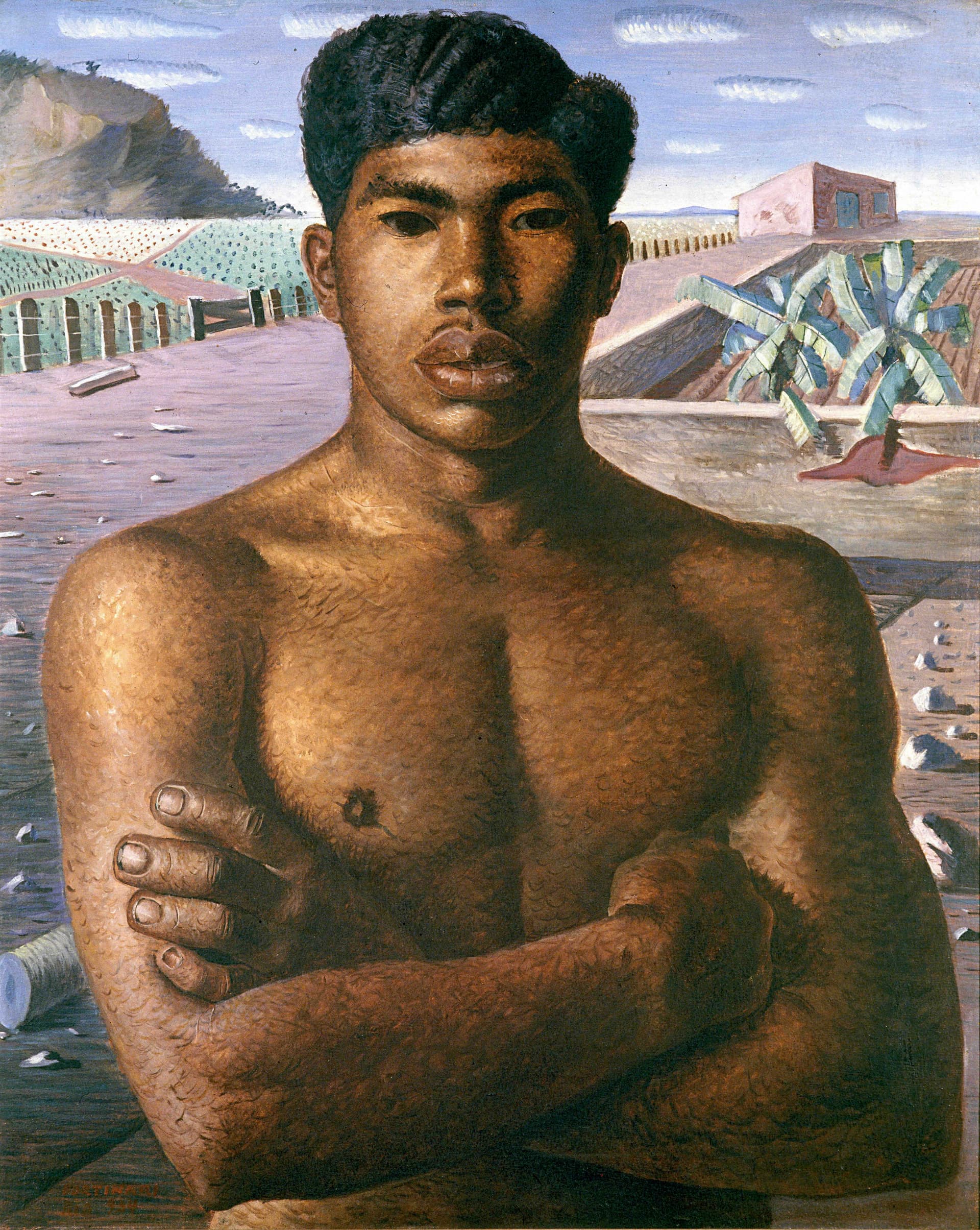
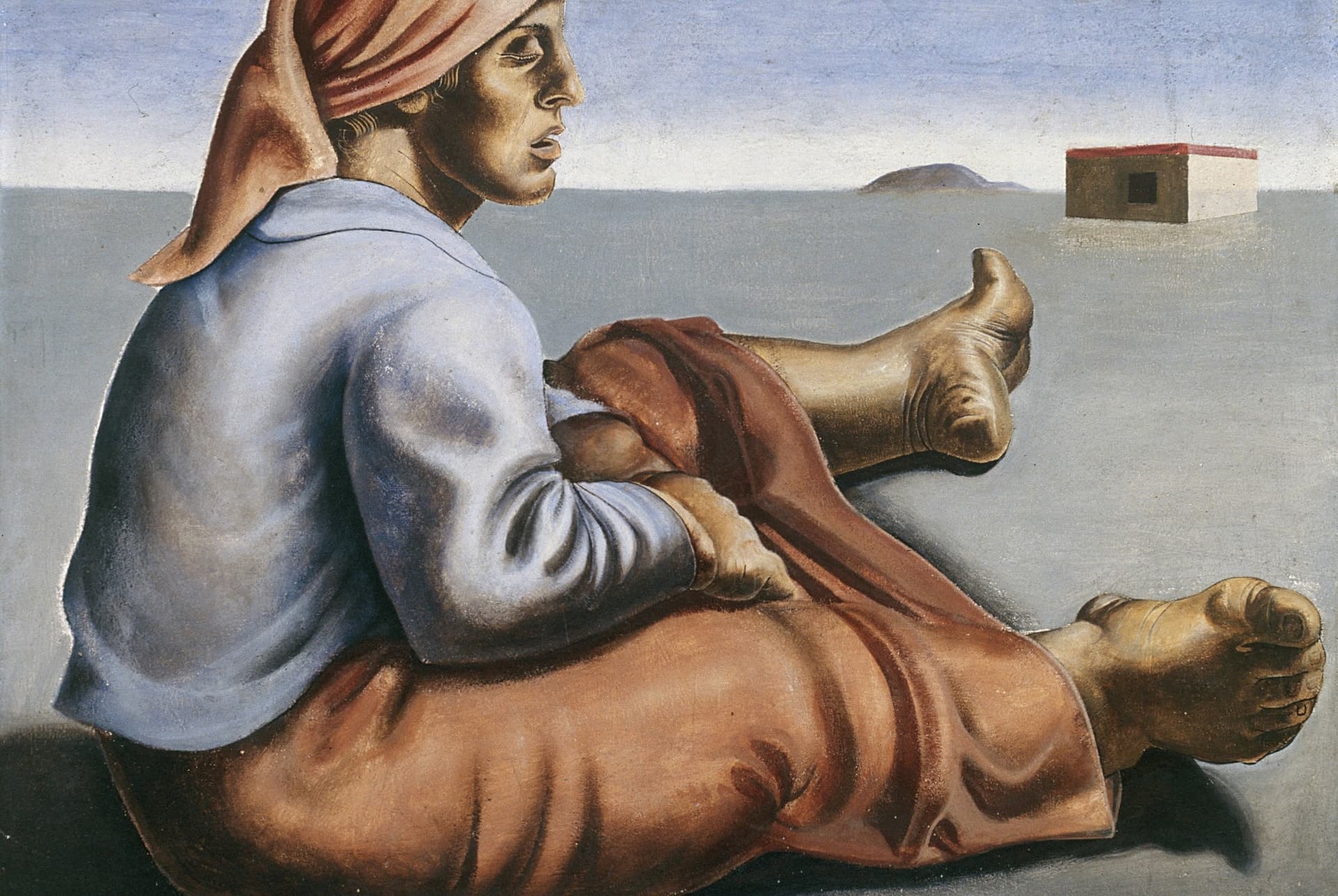
Portinari developed a distinctive figurative style combining elements of modernism with a strong interest in Brazilian society and identity. Farmers, laborers, children, migrants, and Afro-Brazilian communities frequently appear in his paintings. Works such as Café and the Retirantes series demonstrate his ability to combine monumental figures with deeply human portrayals of hardship and resilience.
He also became an accomplished muralist, producing large public works in Brazil and abroad. Among his most celebrated achievements are War and Peace, two monumental panels created for the United Nations headquarters in New York. His paintings and murals often addressed universal themes while remaining closely connected to Brazilian history and culture.
Portinari was extraordinarily prolific, producing thousands of paintings, drawings, prints, and murals during his career. His extensive use of paints containing toxic pigments contributed to serious lead poisoning. Despite medical advice to stop painting, he continued working. Portinari died in Rio de Janeiro in 1962 at the age of 58.
Represented By
Artworks by Candido Portinari