Anita Malfatti
Brazil, b. 1889, d. 1964
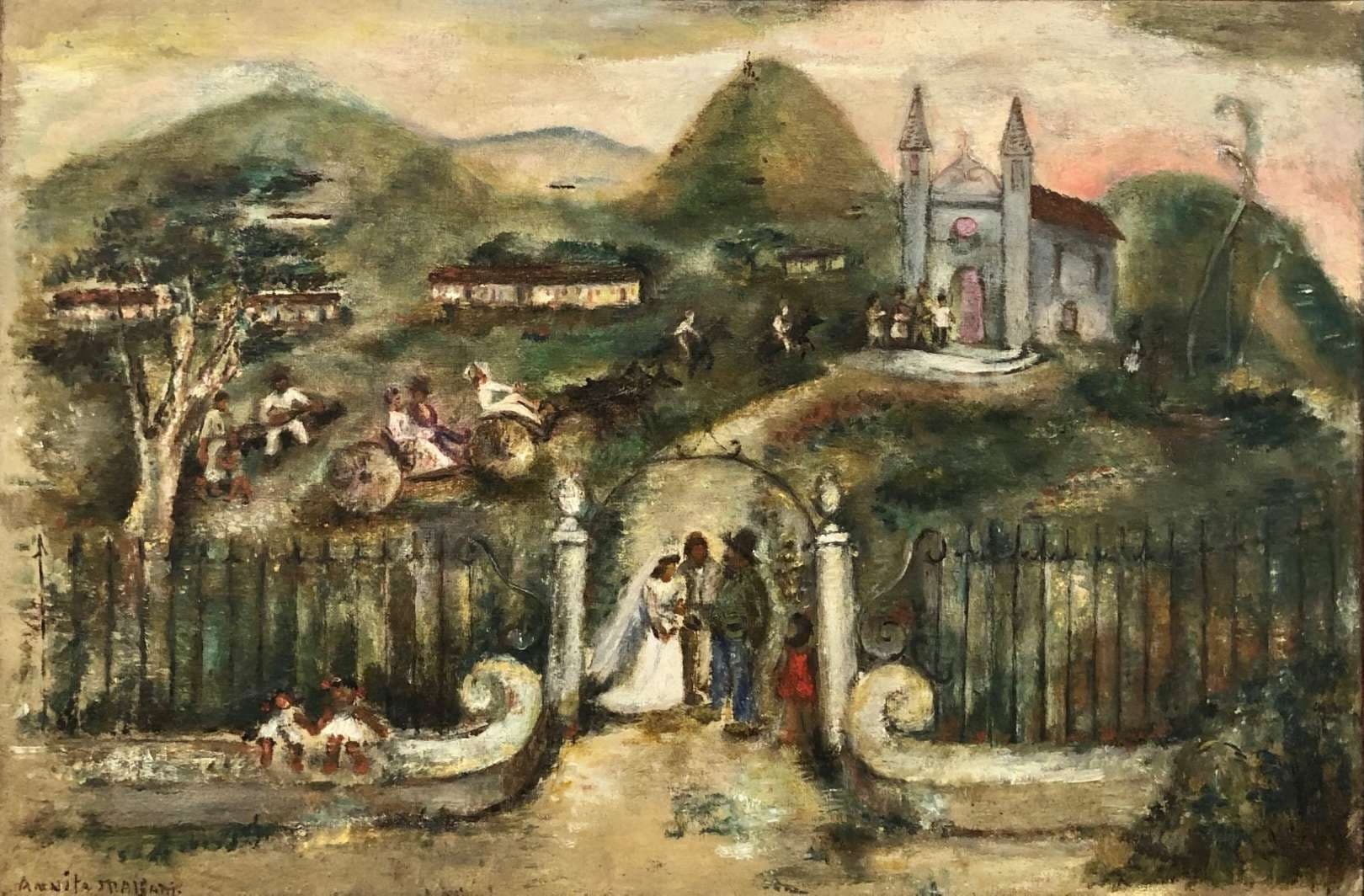
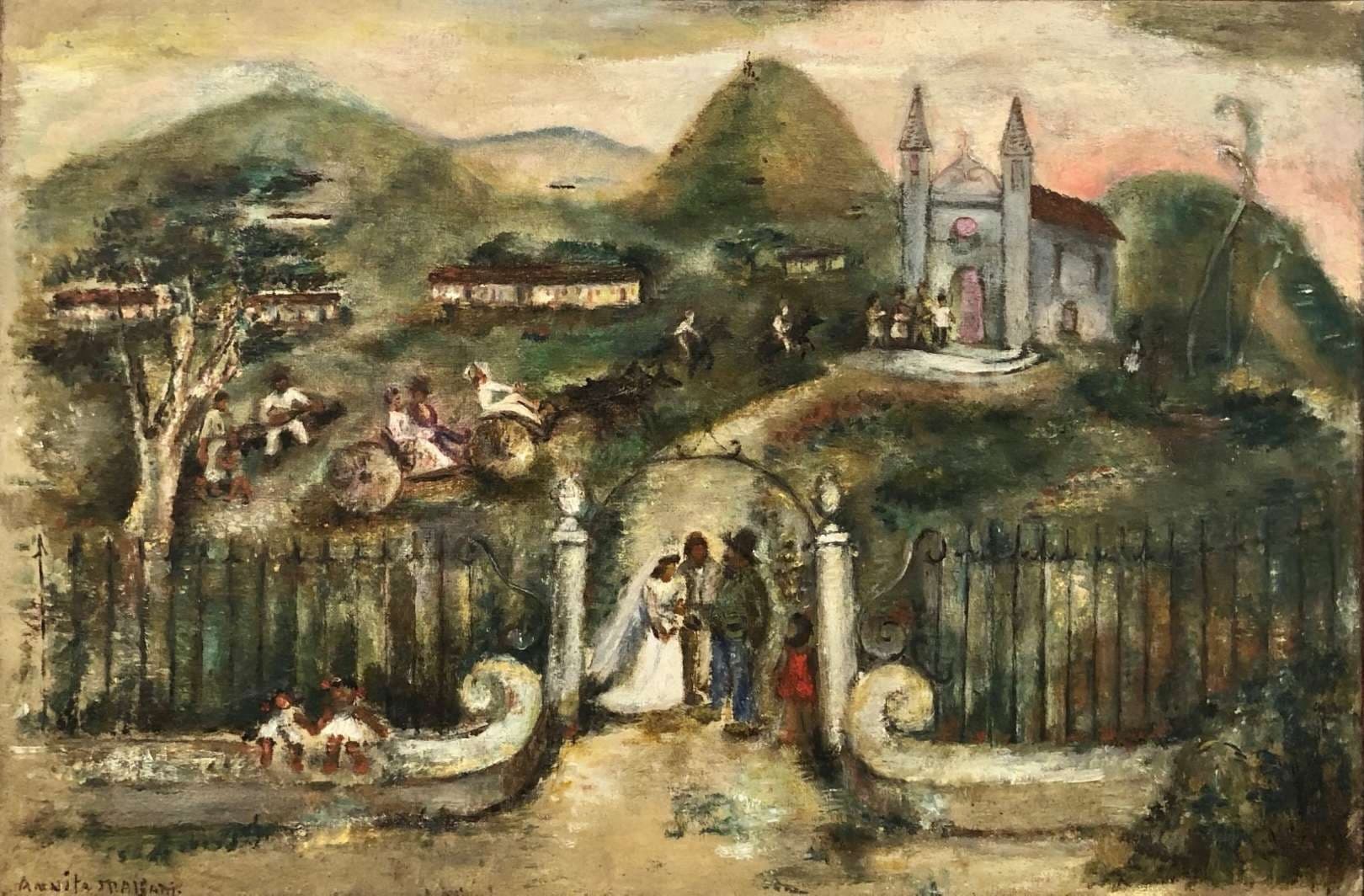
Anita Malfatti was a pioneering Brazilian painter born in 1889 in São Paulo who played a central role in the introduction of modern art in Brazil. She is widely regarded as one of the first artists to break with academic traditions in the country, helping to open the path for modernism in the early twentieth century. Her work, marked by bold color, expressive distortion, and psychological intensity, challenged established norms and sparked debates that would shape the direction of Brazilian art for decades.
Malfatti grew up in a culturally active family that supported her artistic ambitions. She began her studies in Brazil before traveling abroad to continue her education, first to Germany and later to the United States. In Berlin, she was exposed to Expressionism, a movement that emphasized emotion, subjectivity, and the distortion of form to convey inner experience. This influence would become central to her style. Her time in New York further expanded her exposure to modern art, reinforcing her departure from traditional academic approaches.
When Malfatti returned to São Paulo in 1914, she brought with her a radically different artistic vision. Her paintings from this period feature strong, often unexpected color combinations, simplified and distorted figures, and an emphasis on emotional expression over realistic representation. In 1917, she held a solo exhibition that would become one of the most important events in Brazilian art history. The show introduced audiences to modernist ideas but also provoked strong criticism.
Many viewers, including influential critics, rejected her work as strange or inappropriate, reflecting the resistance to new artistic languages at the time. Despite the backlash, Malfatti’s exhibition had a lasting impact. It brought attention to the possibilities of modern art in Brazil and inspired a younger generation of artists and writers who would later form the core of the Brazilian modernist movement. Her work became closely associated with the ideas that would emerge during the Week of Modern Art in São Paulo in 1922, a landmark event that redefined Brazilian cultural identity and embraced experimentation across the arts.
Throughout her career, Malfatti’s style evolved. While her early work is strongly tied to Expressionism, she later moved toward a more moderated approach, incorporating elements of realism while maintaining an interest in color and form. This shift has been interpreted in different ways, some see it as a response to criticism, while others view it as a natural progression in her artistic development. Regardless, her contribution to modernism remained foundational.
Her paintings often focus on portraits, figures, and everyday scenes, approached with sensitivity and attention to mood. Even in her later work, there is a clear concern with psychological presence. Her subjects are not simply depicted, they are interpreted, revealing inner states through color and composition. This focus on emotion and individuality distinguishes her work within the broader context of Brazilian art.
Malfatti also worked as a teacher, contributing to the development of future artists and helping to spread modernist ideas. Her influence extended beyond her own paintings, shaping the artistic environment in which Brazilian modernism could take root and grow.
Anita Malfatti died in 1964. Today, she is recognized as a central figure in the history of Brazilian art, particularly for her role in introducing and legitimizing modernist approaches. Her early courage in challenging academic conventions helped transform the cultural landscape, making space for new forms of expression. Her legacy lies not only in her work, but in the impact she had on the direction of art in Brazil.
Represented By
Artworks by Anita Malfatti