Lola Mora
Argentina, b. 1866 – d. 1936
Lola Mora was an Argentine sculptor, painter, and pioneer of public art in Latin America, born on November 17, 1866. Although there has long been debate regarding her exact birthplace, both the province of Salta and the province of Tucumán have claimed her origins. Regardless of this uncertainty, she emerged as one of the most remarkable and unconventional artists of her era, breaking barriers in a profession almost entirely dominated by men. Mora demonstrated artistic talent from an early age and pursued formal studies in drawing and painting before receiving support to continue her education in Europe. She traveled to Rome, where she studied sculpture and was exposed to the traditions of classical and Renaissance art. This experience profoundly shaped her artistic vision and technical development, allowing her to master large scale sculptural work at a level rarely achieved by women during the late nineteenth century.
She is often regarded as the first major female sculptor in Latin America and one of the earliest women in the region to achieve international recognition in the field of monumental sculpture. Her work combined academic realism with a strong sense of movement and dramatic expression. Drawing inspiration from mythology, history, and allegory, she created sculptures that reflected both technical precision and emotional intensity.
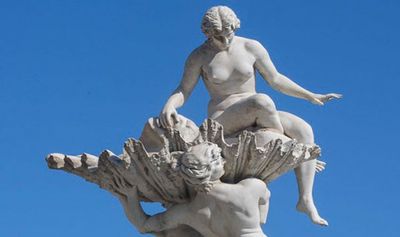
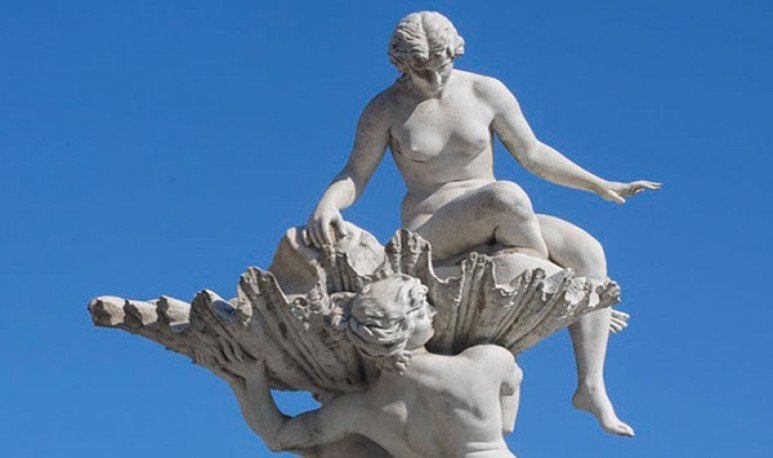
A defining moment in her career came with the creation of the Fountain of the Nereids, one of the most celebrated public sculptures in Argentina. The work depicts sea nymphs and mythological figures with a level of anatomical realism and sensuality that was considered controversial at the time. The sculpture generated significant public debate and criticism, largely because of prevailing social attitudes toward both the female nude and the idea of a woman creating such ambitious public art. Despite the controversy, the fountain is now recognized as a masterpiece of Argentine sculpture.
Throughout her life, Mora faced resistance and censorship. Many of her projects encountered political opposition, and she often struggled against cultural expectations that limited opportunities for women. Her independent personality and willingness to challenge convention frequently placed her at odds with institutions and authorities. Nevertheless, she remained committed to her artistic vision and continued to pursue large scale commissions and innovative projects.
In addition to sculpture, Mora explored painting, engineering concepts, urban planning ideas, and scientific interests. Her intellectual curiosity extended well beyond the visual arts, reflecting an unusually broad range of interests for her time. This multidisciplinary approach further distinguished her from many of her contemporaries.
Although her achievements were not always fully appreciated during her lifetime, her reputation has grown significantly in the decades since her death. Today, she is celebrated as a pioneering figure who expanded the possibilities for women in the arts and helped establish a place for monumental sculpture within the cultural history of Latin America.
Lola Mora died on June 7, 1936. She is remembered not only as a gifted sculptor but also as a trailblazer whose courage, talent, and determination challenged the conventions of her era and left a lasting mark on Latin American art.