Felipe Seade
Chile, b. 1912, d. 1969
Felipe Seade was a Chilean born Uruguayan painter and teacher, born in 1912, and is recognized as a leading figure in the development of Social Realism in Uruguay.
His work is closely associated with themes of labor, community, and social conditions, reflecting a commitment to portraying the realities of everyday life with clarity and purpose. Through both his artistic production and his role as an educator, Seade contributed significantly to shaping the direction of modern art in Uruguay.
Seade was born in Chile but spent much of his life in Uruguay, where he established his career and artistic identity. He pursued formal training in the visual arts, developing a strong foundation in drawing and painting. His early influences included both academic traditions and the growing international interest in socially engaged art. Over time, he gravitated toward a style that emphasized direct observation and representation, aligning his work with the broader Social Realist movement.
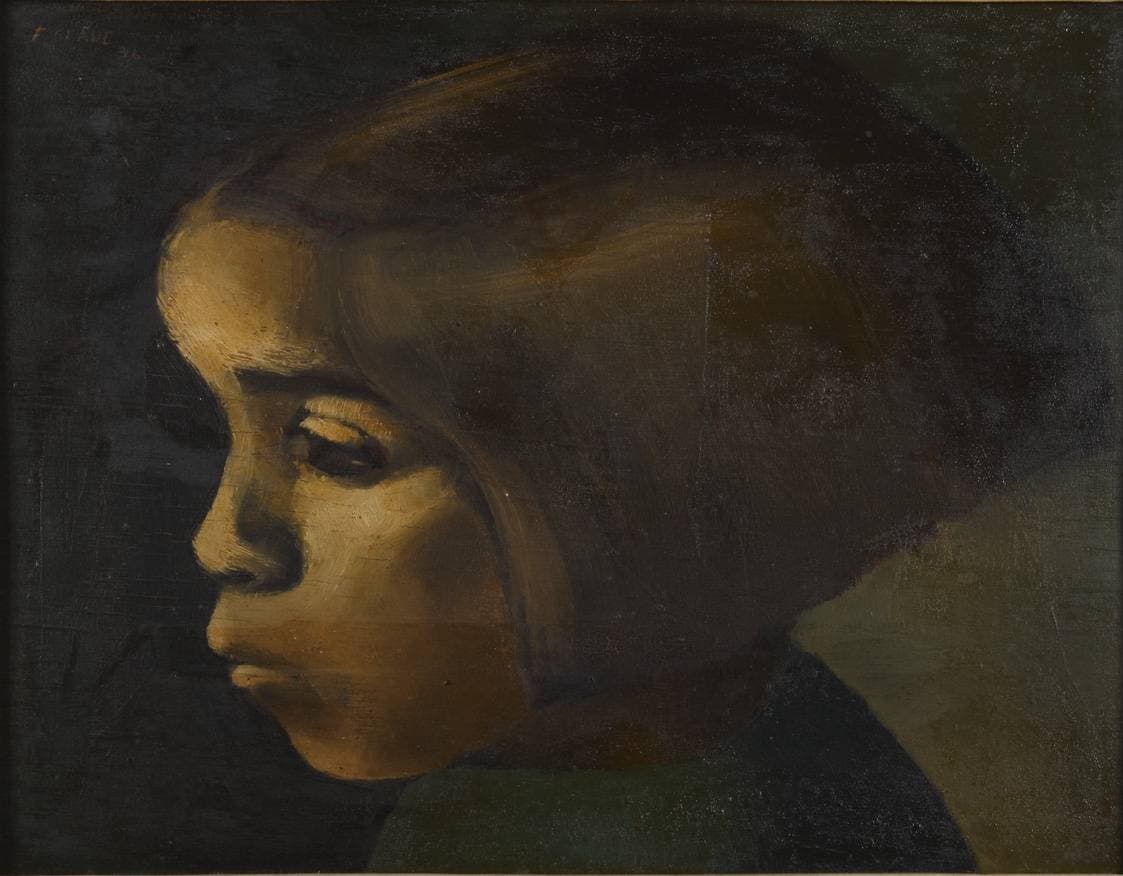
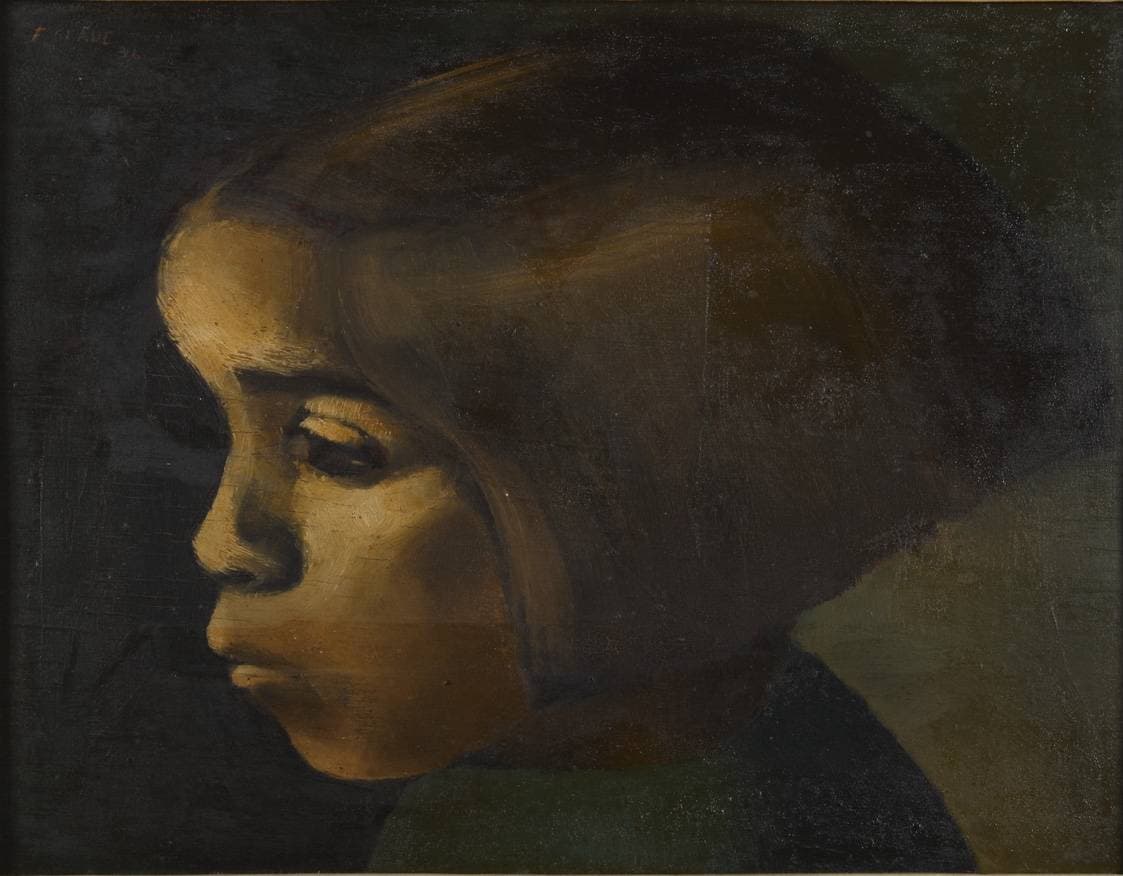
A defining aspect of Seade’s work is his focus on the human figure, particularly workers and individuals engaged in everyday activities. His paintings often depict scenes of labor, urban life, and social interaction, presented with a sense of dignity and restraint. Rather than dramatizing his subjects, he approached them with a measured realism that highlights their presence and significance. This approach reflects his belief in the importance of art as a means of engaging with social reality.
His compositions are typically structured and balanced, with a clear attention to form and proportion. Seade’s use of color tends to be controlled, often relying on earthy tones and subtle variations to create depth and atmosphere. Light is handled with care, reinforcing the physical presence of his subjects while maintaining a sense of cohesion within the composition. His technique reflects both technical discipline and a sensitivity to mood.
In addition to his work as a painter, Seade was an influential teacher. He played an important role in art education in Uruguay, guiding younger artists and encouraging an approach to art that was both technically grounded and socially aware. His teaching extended his influence beyond his own work, contributing to the development of a generation of artists who engaged with similar themes.
Seade’s work is closely tied to the context of mid twentieth century Latin America, a period marked by social and political change. His commitment to Social Realism places him within a broader movement that sought to address issues of inequality, labor, and identity through art. While his work reflects these concerns, it does so with a focus on observation and representation rather than overt political messaging.
Throughout his career, Seade exhibited in Uruguay and internationally, gaining recognition for his contribution to modern painting. His work remains an important reference point within the history of Uruguayan art, particularly for its role in establishing a visual language centered on social experience.
Felipe Seade died in 1969. He is remembered as a painter who used his work to engage with the realities of his time, combining technical skill with a clear sense of purpose. His legacy lies in his ability to represent everyday life with depth and dignity, while also influencing the development of socially conscious art in Uruguay.
Represented By
Artworks by Felipe Seade