

Alejandro Santiago
Mexico, b. 1964, d. 2013
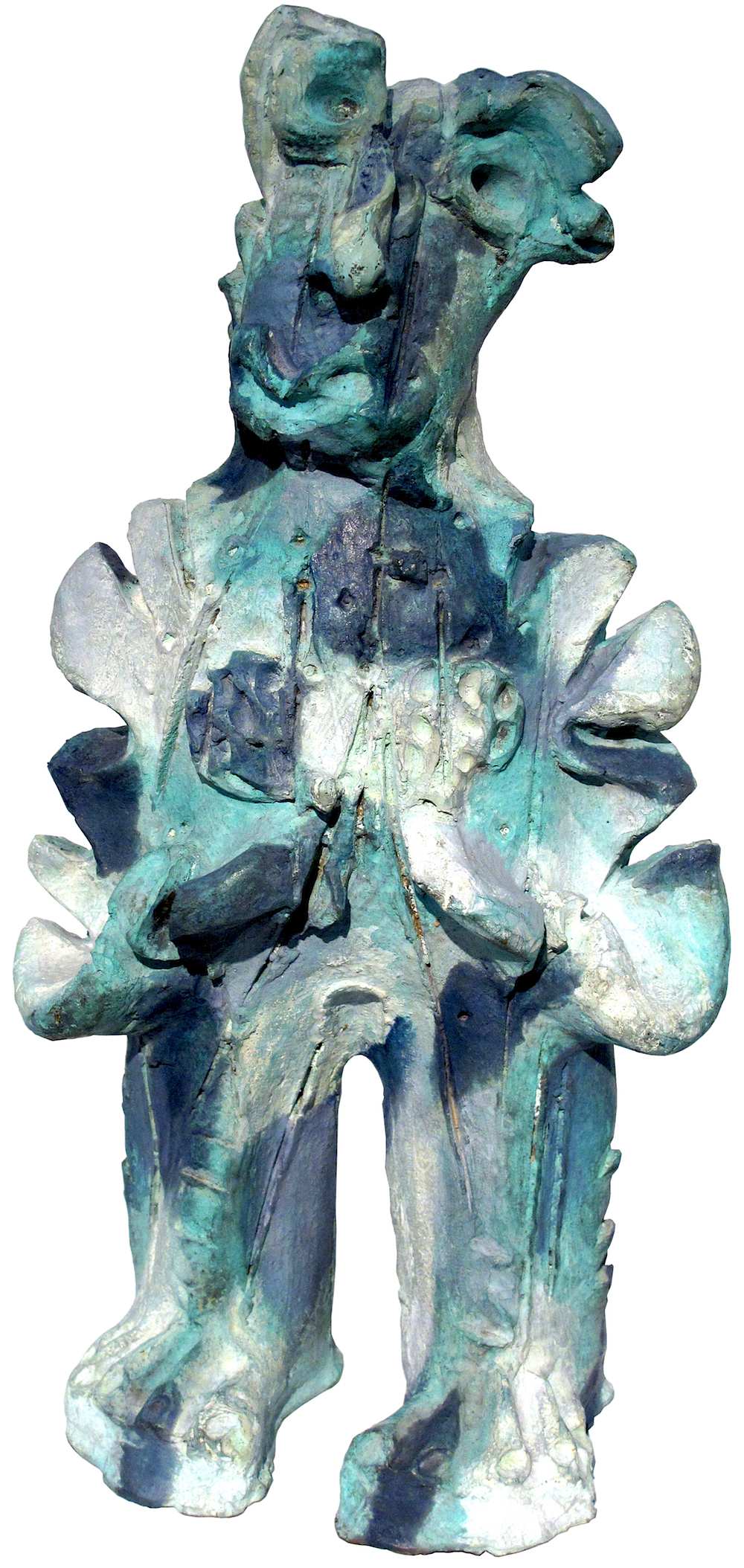
Alejandro Santiago Ramírez was a Mexican painter and sculptor born on April 22, 1964, in Oaxaca, recognized for a powerful body of work that explores identity, migration, and collective memory. He is best known for his monumental project 2501 Migrantes, a large scale installation composed of thousands of life sized clay figures that represent individuals who have left their communities in search of opportunity. This work stands as one of the most significant artistic reflections on migration in contemporary Mexican art.
Santiago developed his artistic formation at the Centro de Educación Artística, where he gained a strong foundation in drawing and visual structure. He later became one of the first graduates of the Rufino Tamayo Workshop of Plastic Arts in Oaxaca, an institution known for fostering experimentation and a connection to local cultural traditions. This training helped shape his approach to material, form, and conceptual development.
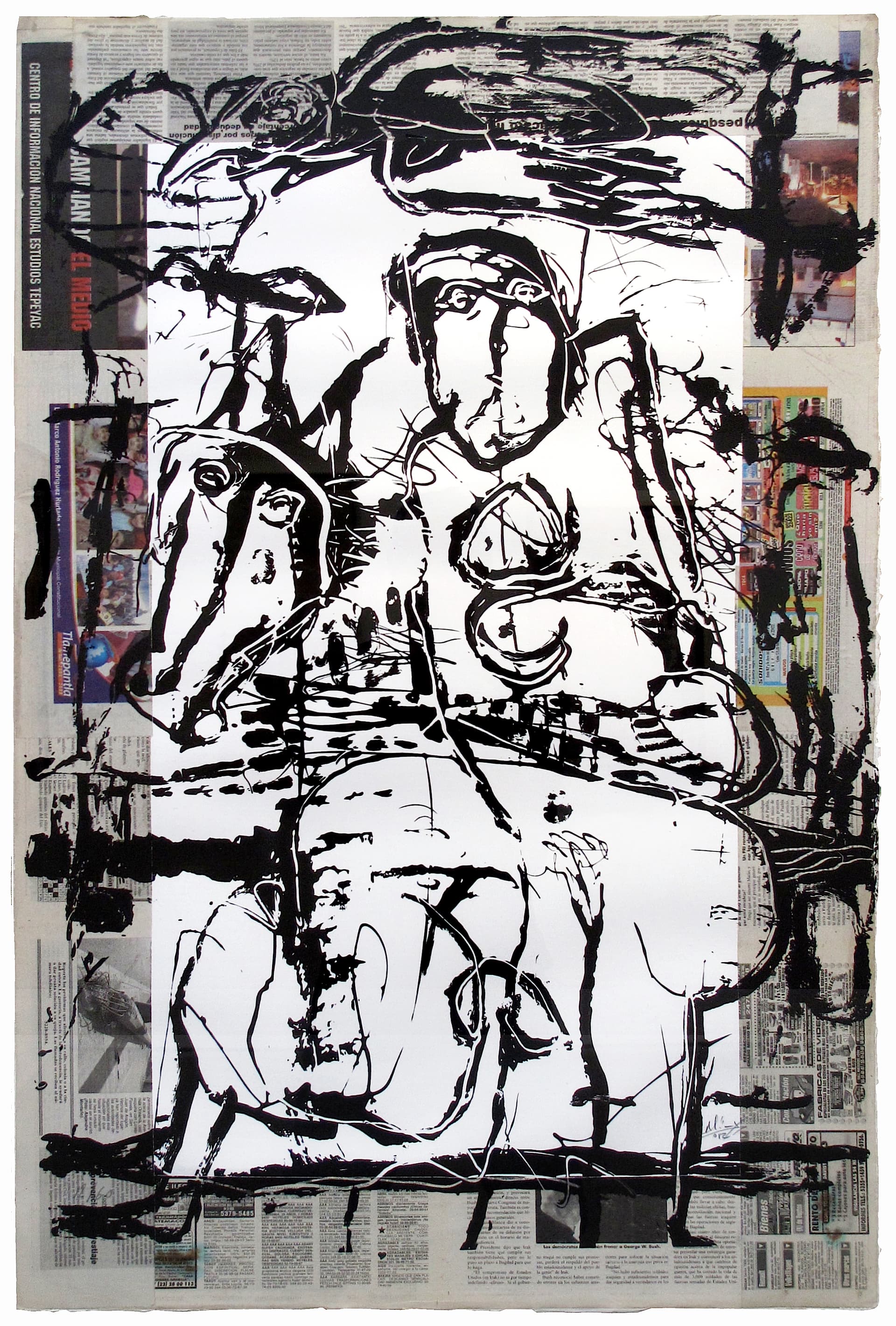
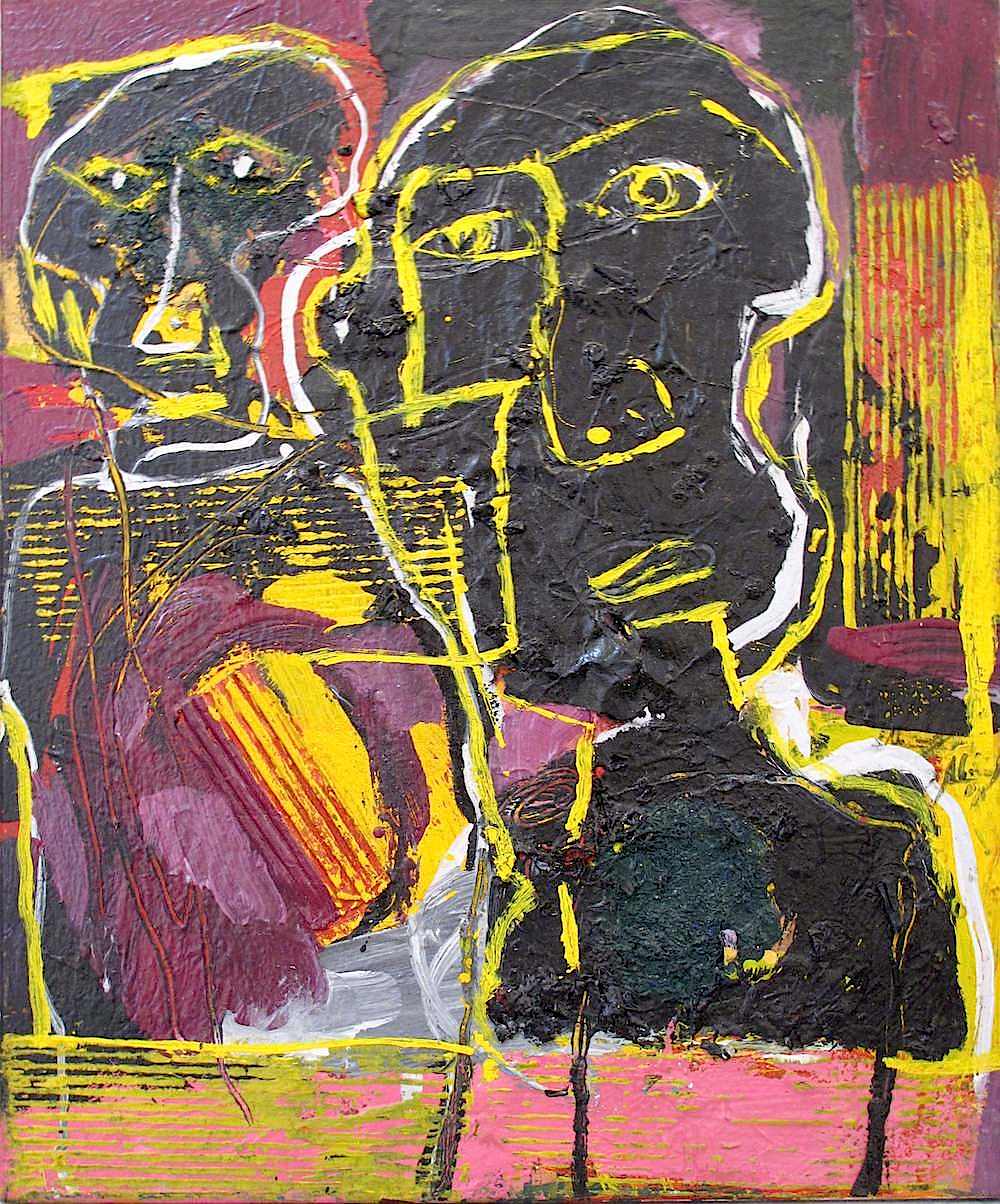
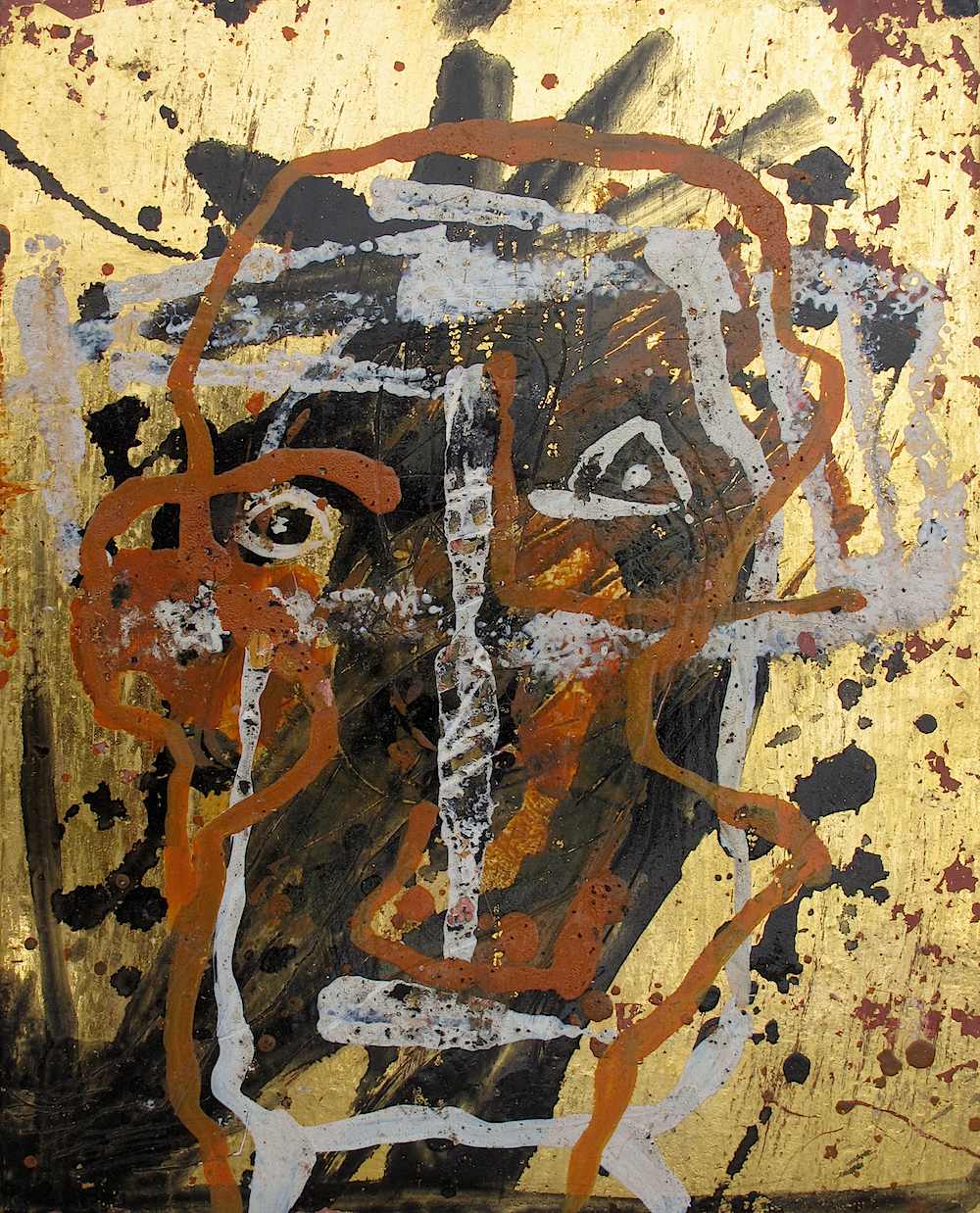
A defining characteristic of Santiago’s work is his engagement with social realities, particularly the experience of migration from rural Mexico to urban centers or abroad. Through sculpture and painting, he addressed the emotional and cultural impact of displacement, focusing on absence, memory, and the transformation of community life. His figures often appear anonymous yet deeply human, conveying a sense of presence while also suggesting loss.
The project 2501 Migrantes originated from his observations of population decline in his hometown, where many residents had emigrated. The installation, made up of thousands of individually crafted figures, creates a powerful visual statement about the scale and human dimension of migration. Each figure contributes to a collective narrative, reinforcing the idea that large social movements are made up of individual stories.
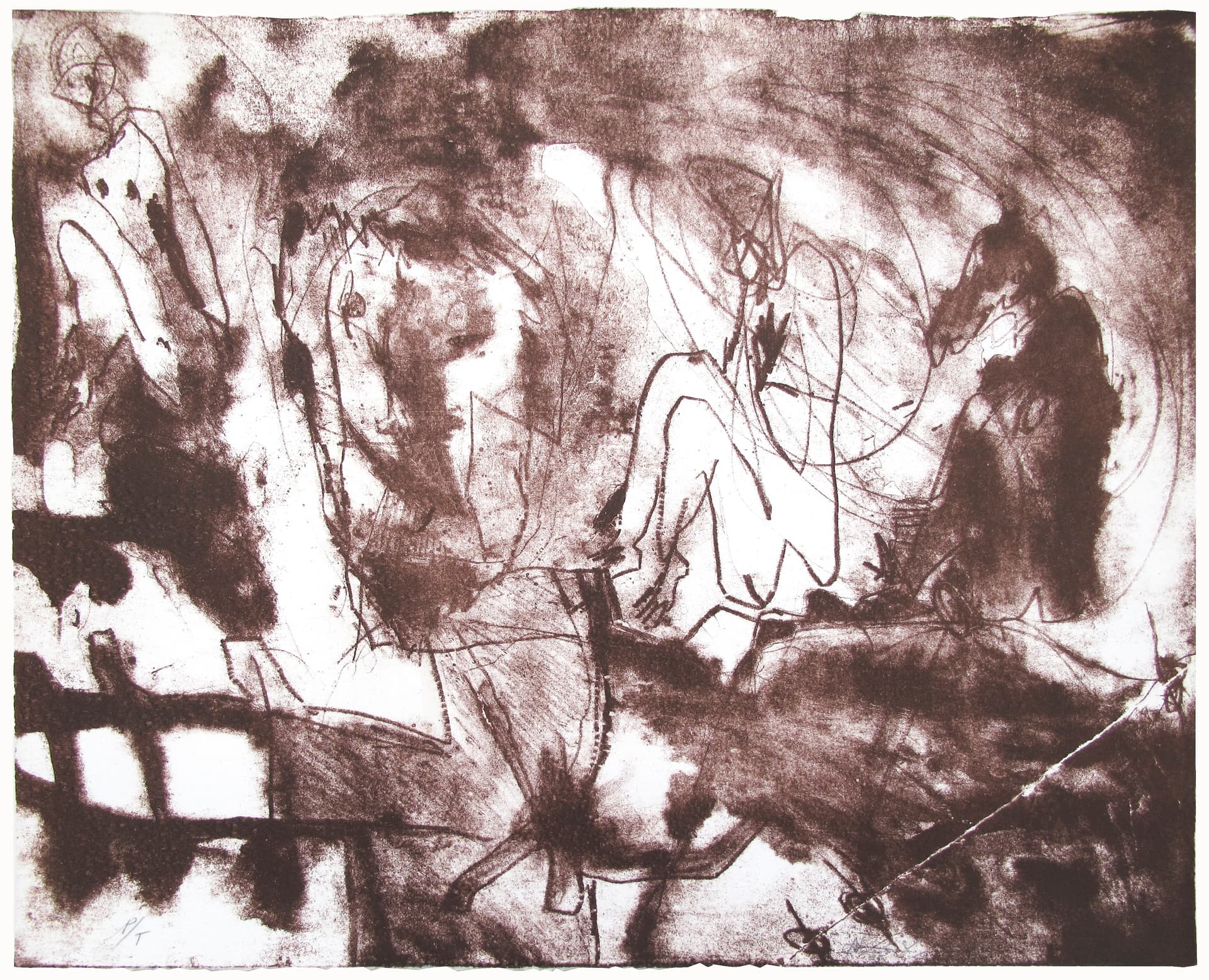
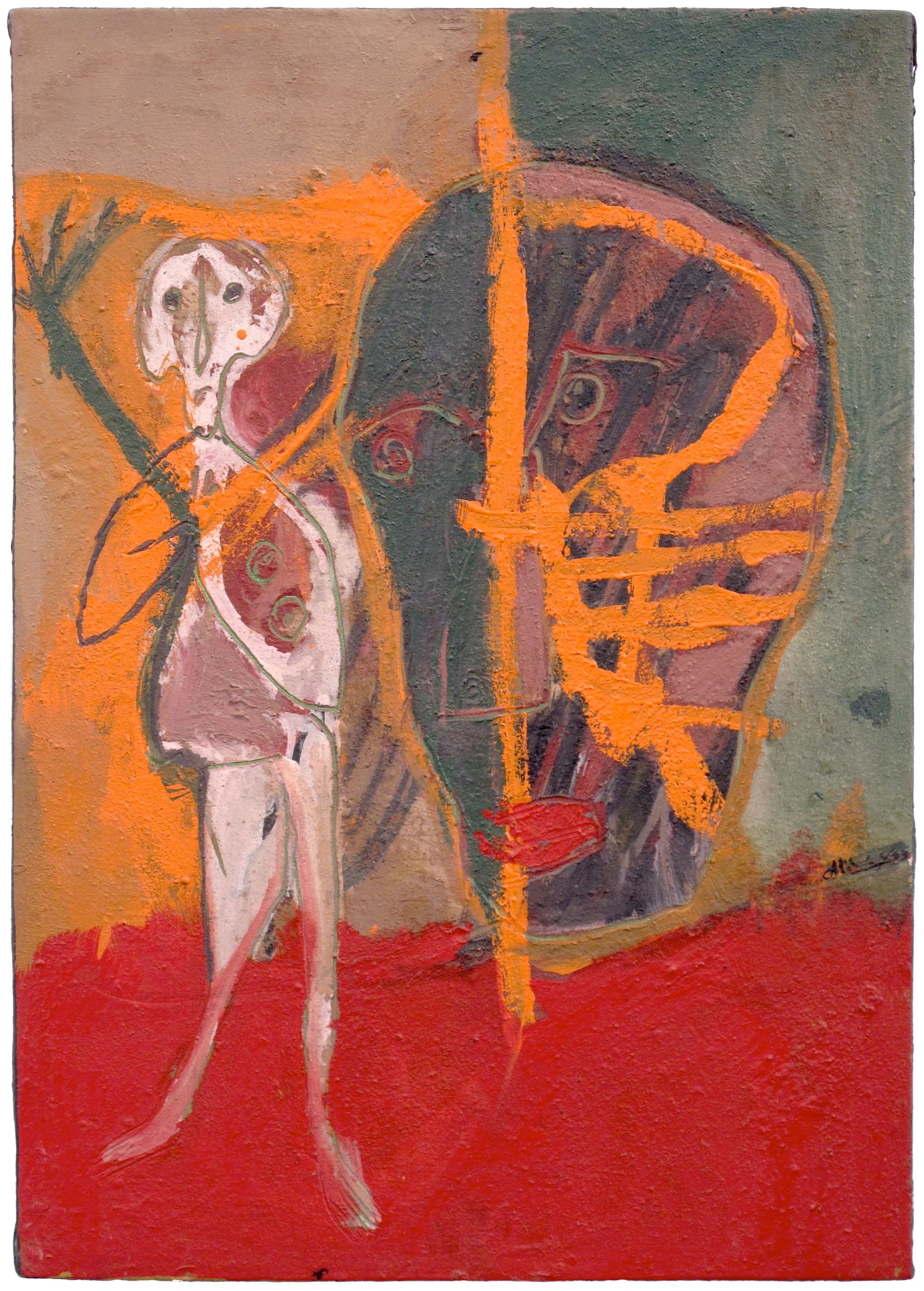
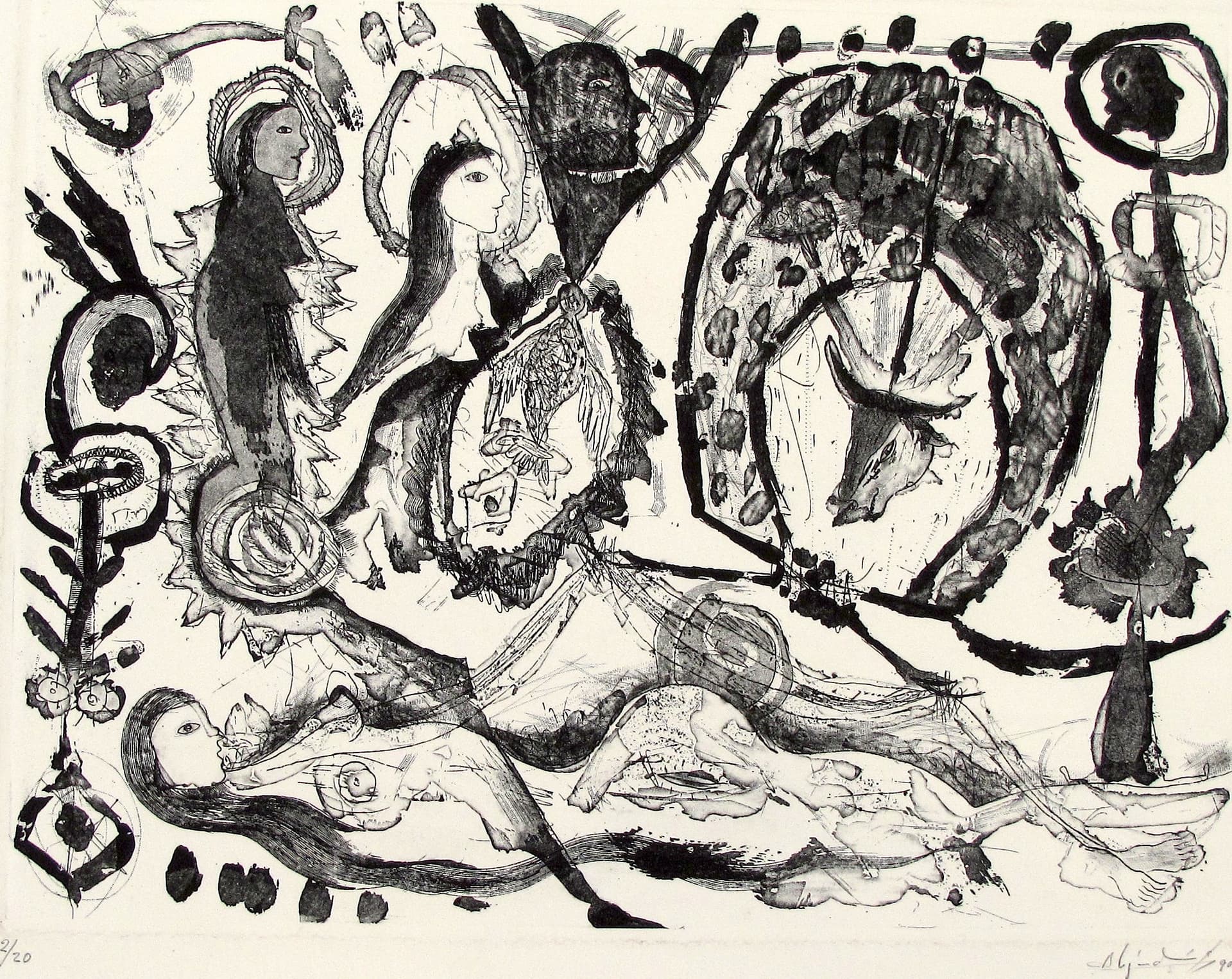
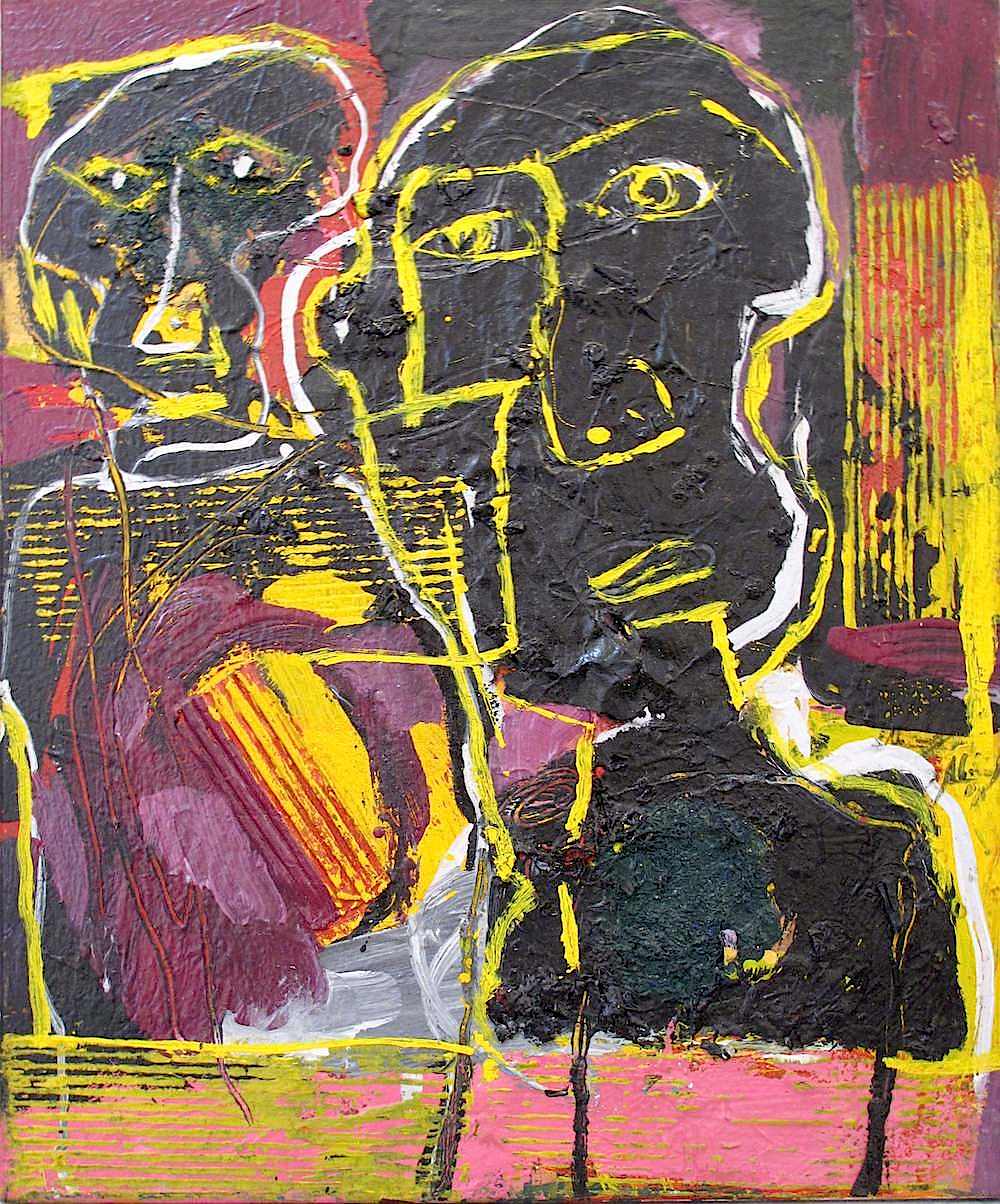
His sculptural work is closely tied to traditional materials, particularly clay, which he used to create forms that feel both rooted in history and immediate in their expression. His approach to form is direct and physical, emphasizing the tactile qualities of the material while maintaining a strong conceptual focus. In his paintings, similar themes appear through expressive compositions that explore identity and cultural continuity.
Throughout his career, Santiago exhibited his work in Mexico and internationally, gaining recognition for his ability to address complex social issues through compelling visual language. His work resonates both within local contexts and in broader discussions about migration and globalization.
Alejandro Santiago Ramírez died on July 22, 2013. He is remembered as an artist who transformed the experience of migration into a powerful and enduring body of work, combining material tradition with social commentary to create images and installations that continue to hold cultural and emotional significance.
Represented By
Artworks by Alejandro Santiago







Editorial about Alejandro Santiago
Alejandro Santiago: The Oaxacan Sculptor of 2501 Migrantes
Alejandro Santiago (1964–2013) crossed the border with a coyote, then spent years sculpting 2,501 life-size clay figures to repopulate his emptied Zapotec village. Here is how the...
Juan Daniel · September 8, 2026
Read article