Wifredo Lam
Cuba, b. 1902, d. 1982
Wifredo Lam was one of the most important artists of the twentieth century and a central figure in modern art in Latin America and the Caribbean. Born in Sagua La Grande, Cuba, on December 8, 1902, Lam developed a visual language that brought together Afro Caribbean spirituality, Cubism, Surrealism, and his own experience of cultural mixture. His work is celebrated for its mysterious hybrid figures, charged atmospheres, and symbolic depth. More than almost any other artist of his generation, Lam created a style that felt truly international while remaining deeply rooted in the history and spiritual life of the Caribbean.
Lam came from a richly mixed background that shaped both his identity and his art. His father was a Chinese immigrant, and his mother was of African, Spanish, and Indigenous descent. This layered heritage gave him an early awareness of cultural blending, racial complexity, and the social realities of colonial history.
Although he would later move through major artistic centers in Europe, he never lost sight of the fact that his own background placed him outside narrow Western definitions of identity. That position became one of his greatest strengths as an artist.
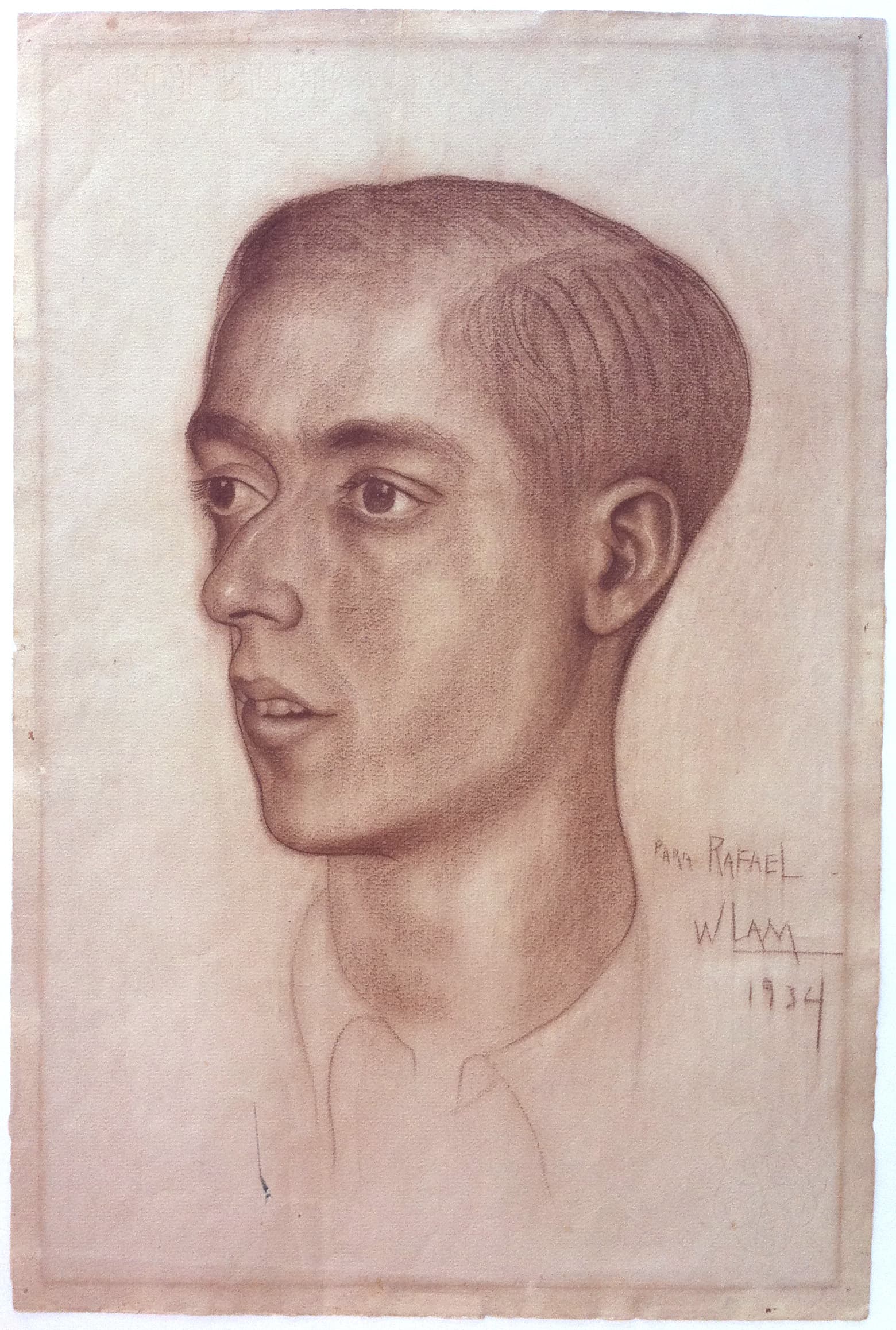
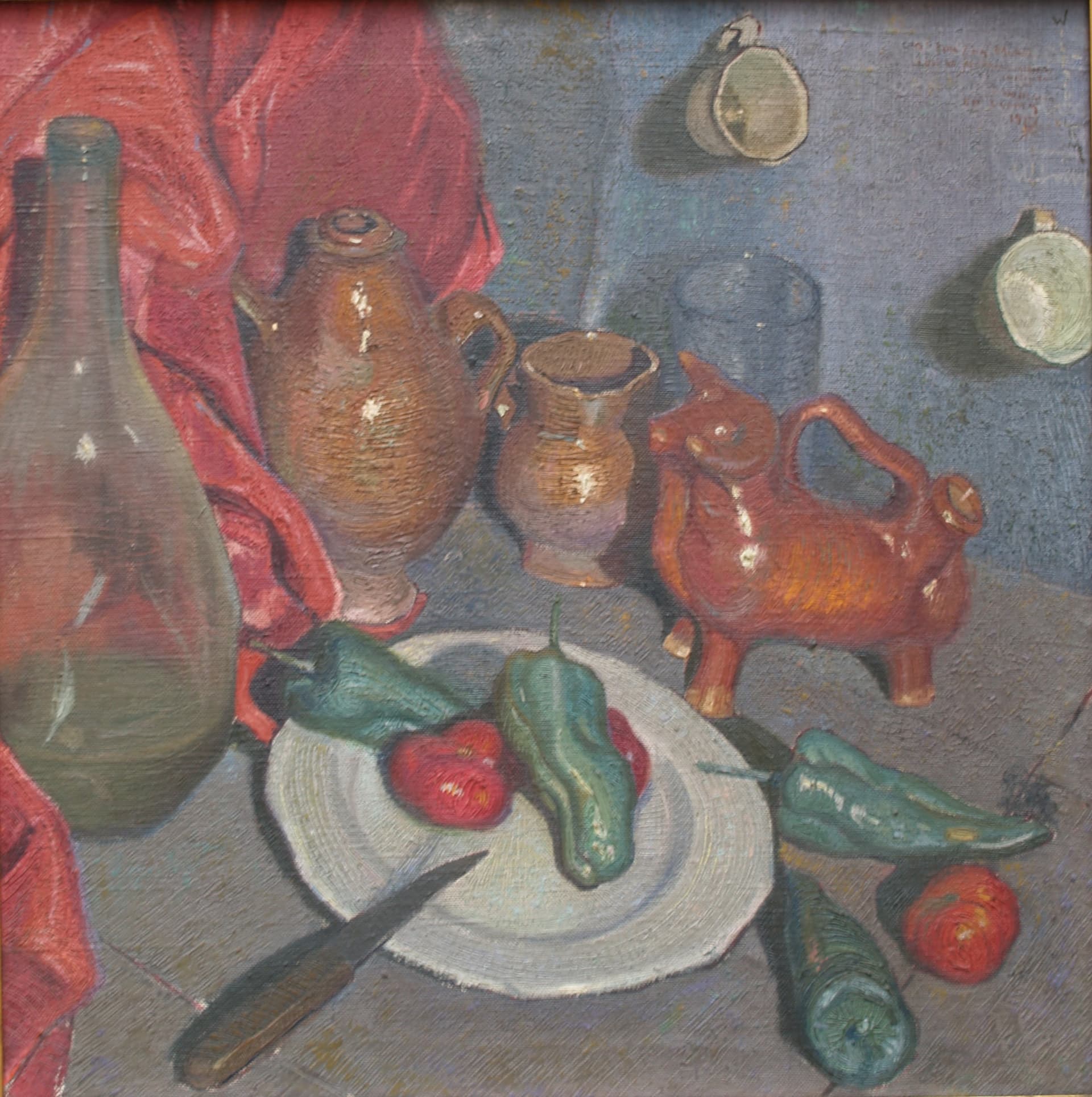
He studied at the Academy of San Alejandro in Havana before traveling to Spain in 1923. He remained there for many years, continuing his training in Madrid and studying both old masters and modern developments in European art. During this period, he absorbed the traditions of academic painting while also becoming aware of modernist experimentation. His years in Spain were also marked by personal hardship and political upheaval. He experienced loss within his family, and he later supported the Republican cause during the Spanish Civil War. These experiences deepened his political awareness and sharpened his understanding of violence, oppression, and human suffering.
A major turning point came when Lam moved to Paris in the late 1930s and entered the circle of Pablo Picasso. Picasso recognized Lam’s talent and encouraged him, and through that connection Lam came into contact with leading figures of the European avant garde, including artists and writers associated with Surrealism. He absorbed lessons from Cubism and Surrealism, but he did not become a follower. Instead, he used those movements as tools, reshaping them through his own vision. European modernism gave him formal freedom, but his mature work emerged when he turned more directly toward the cultural and spiritual world of the Caribbean.
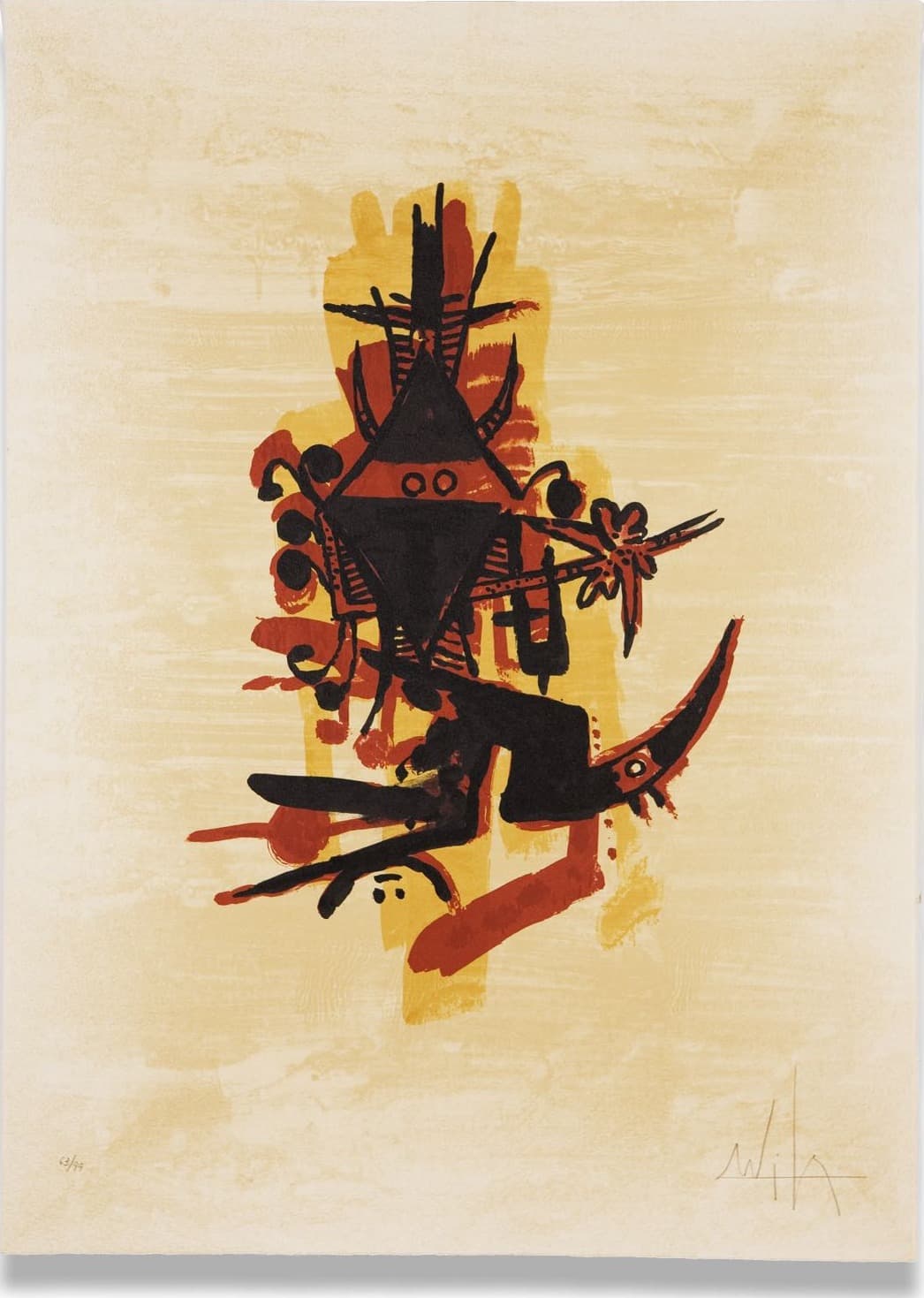
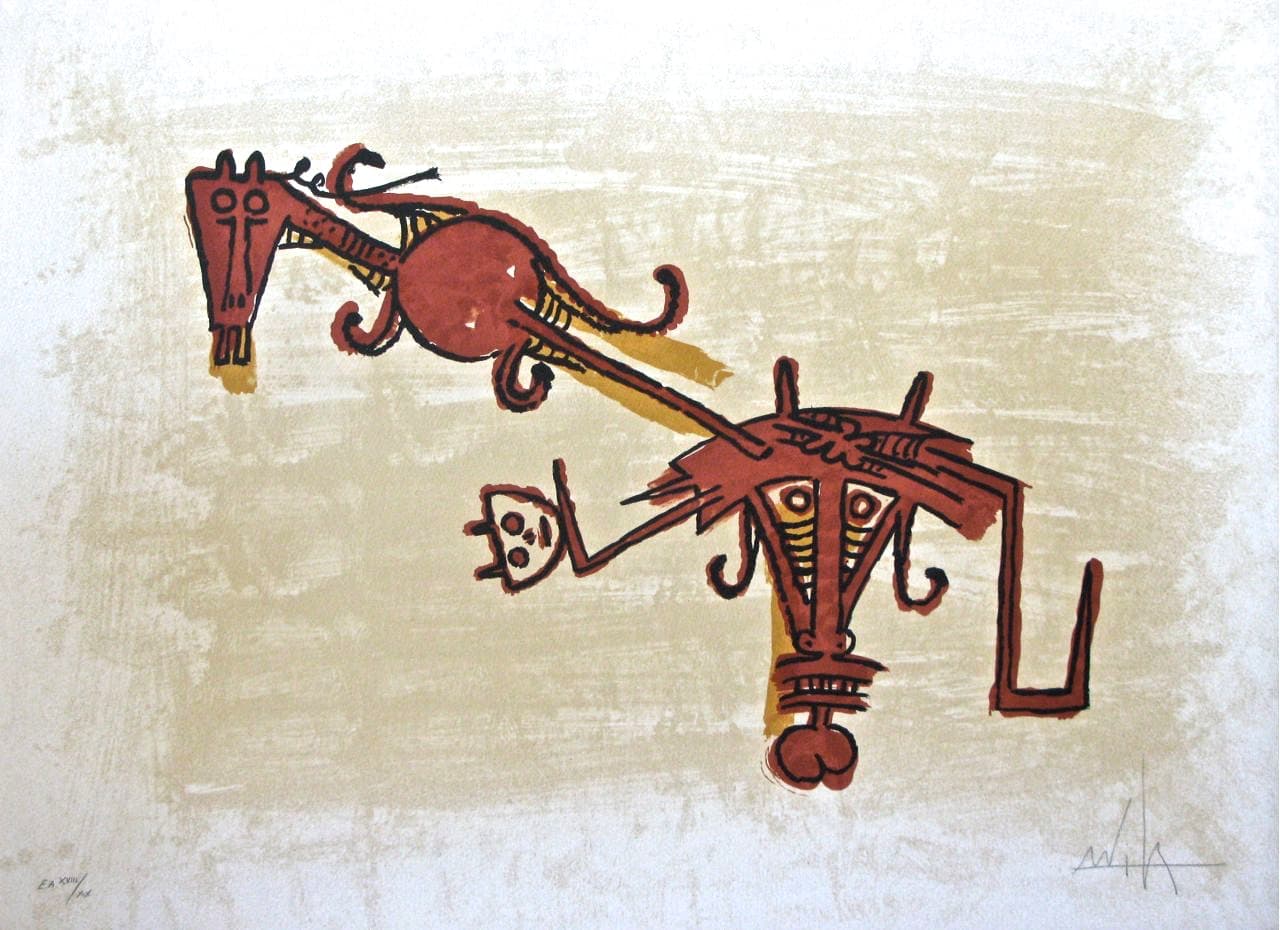
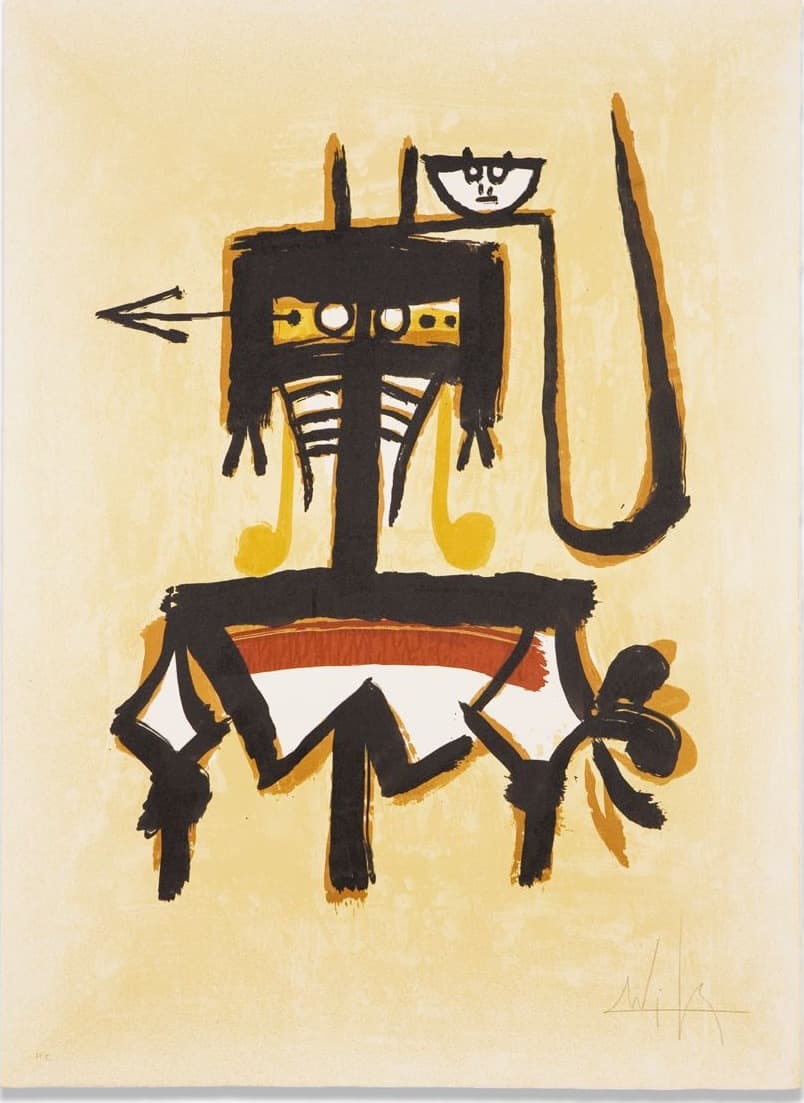
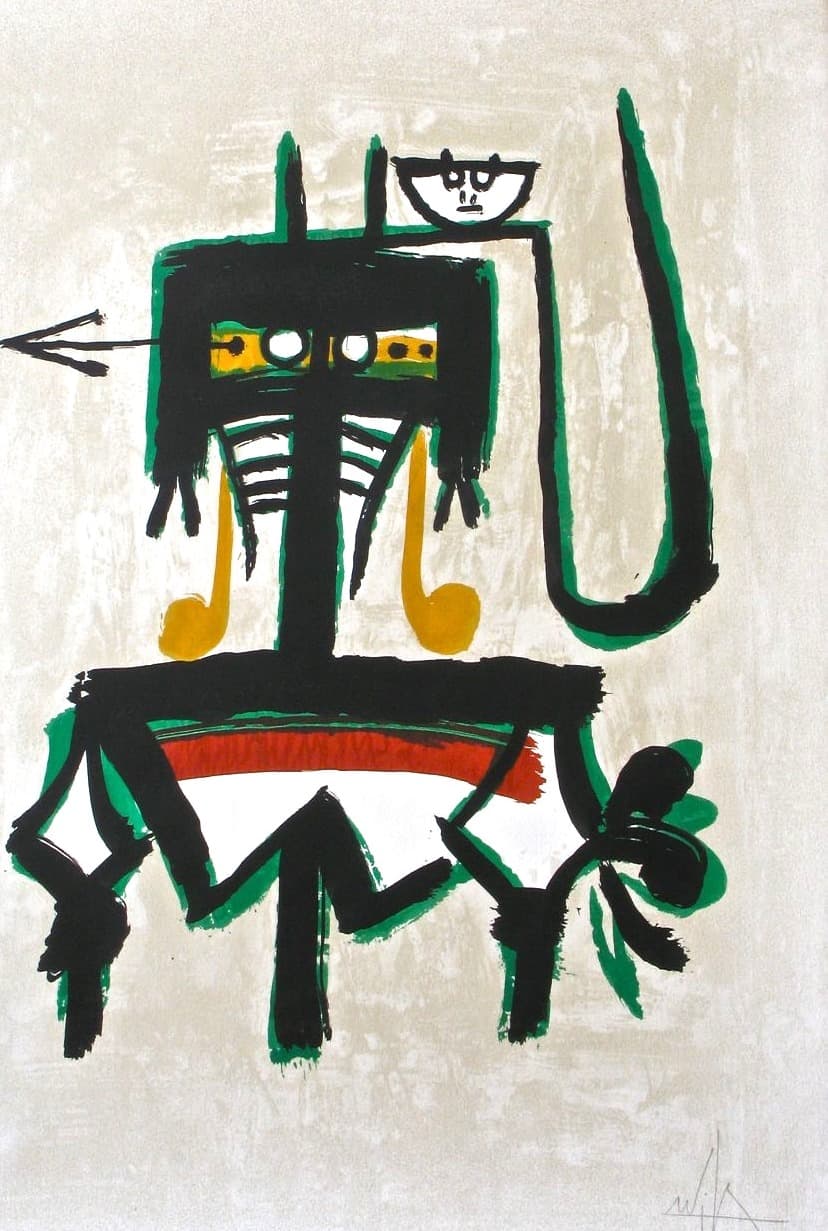
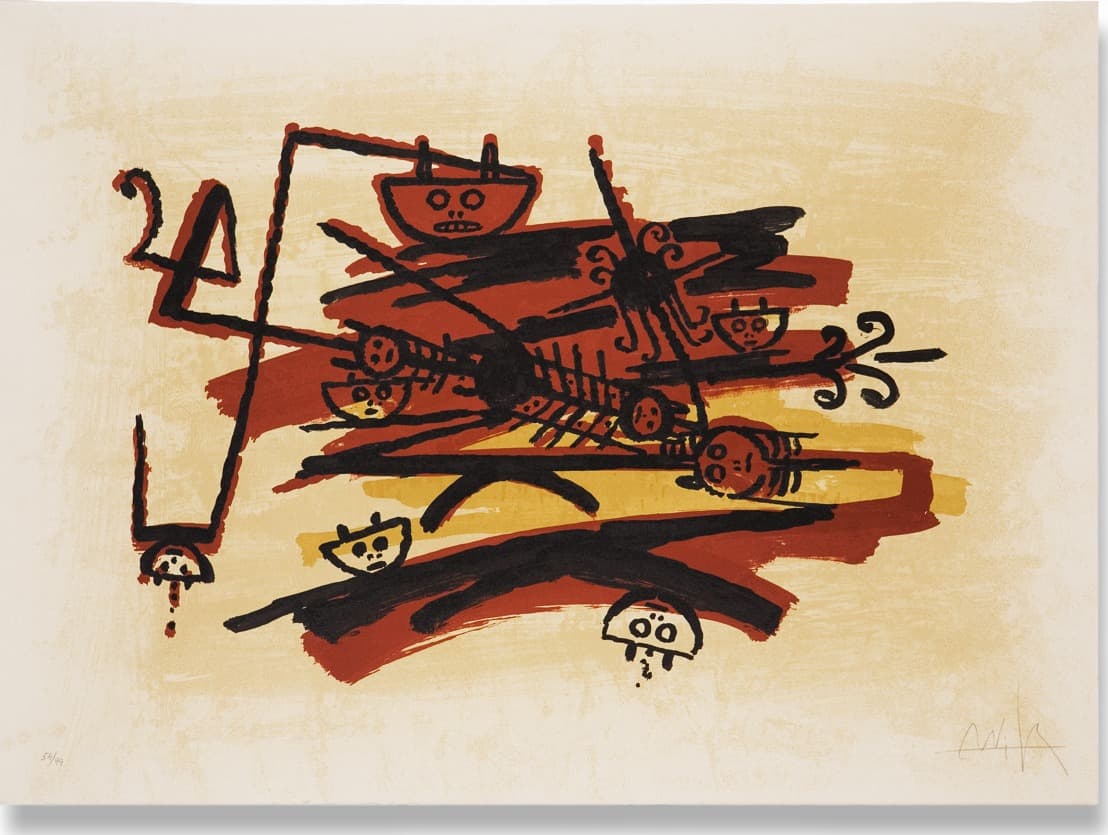
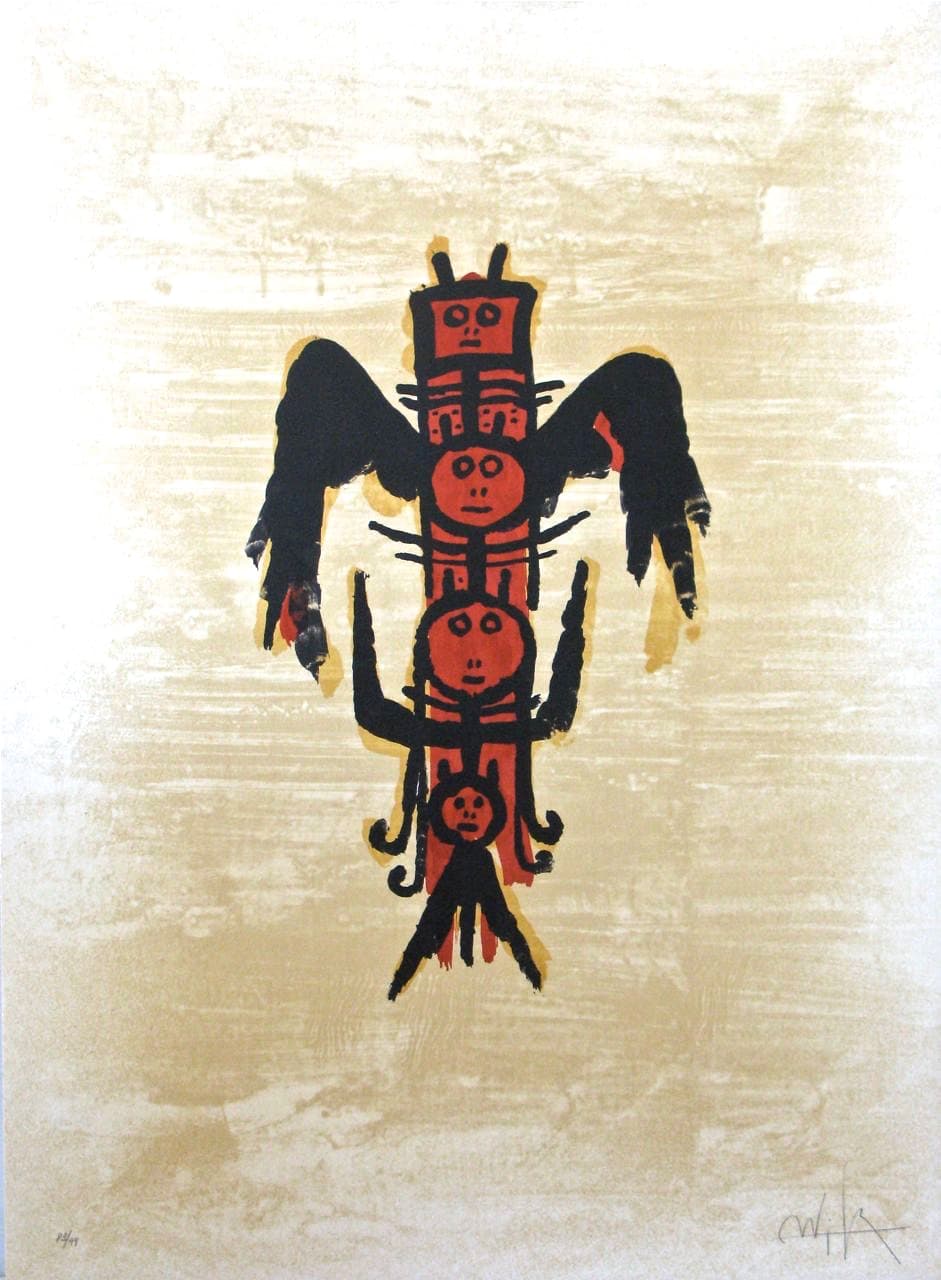
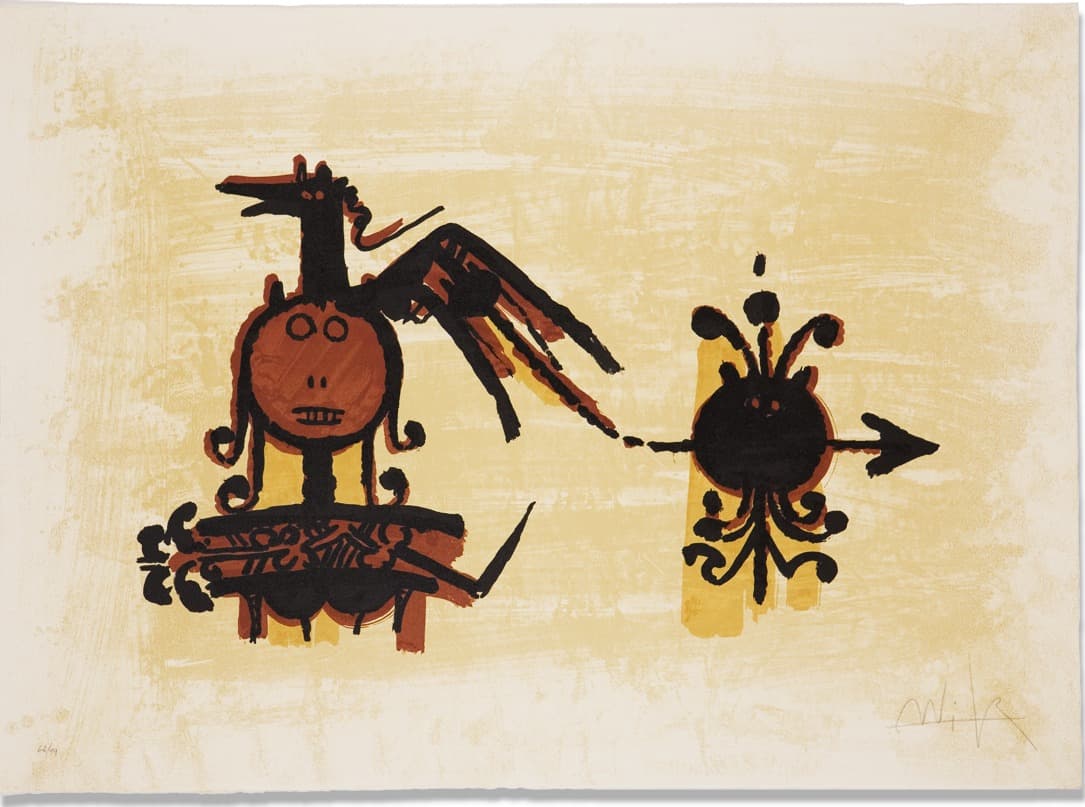
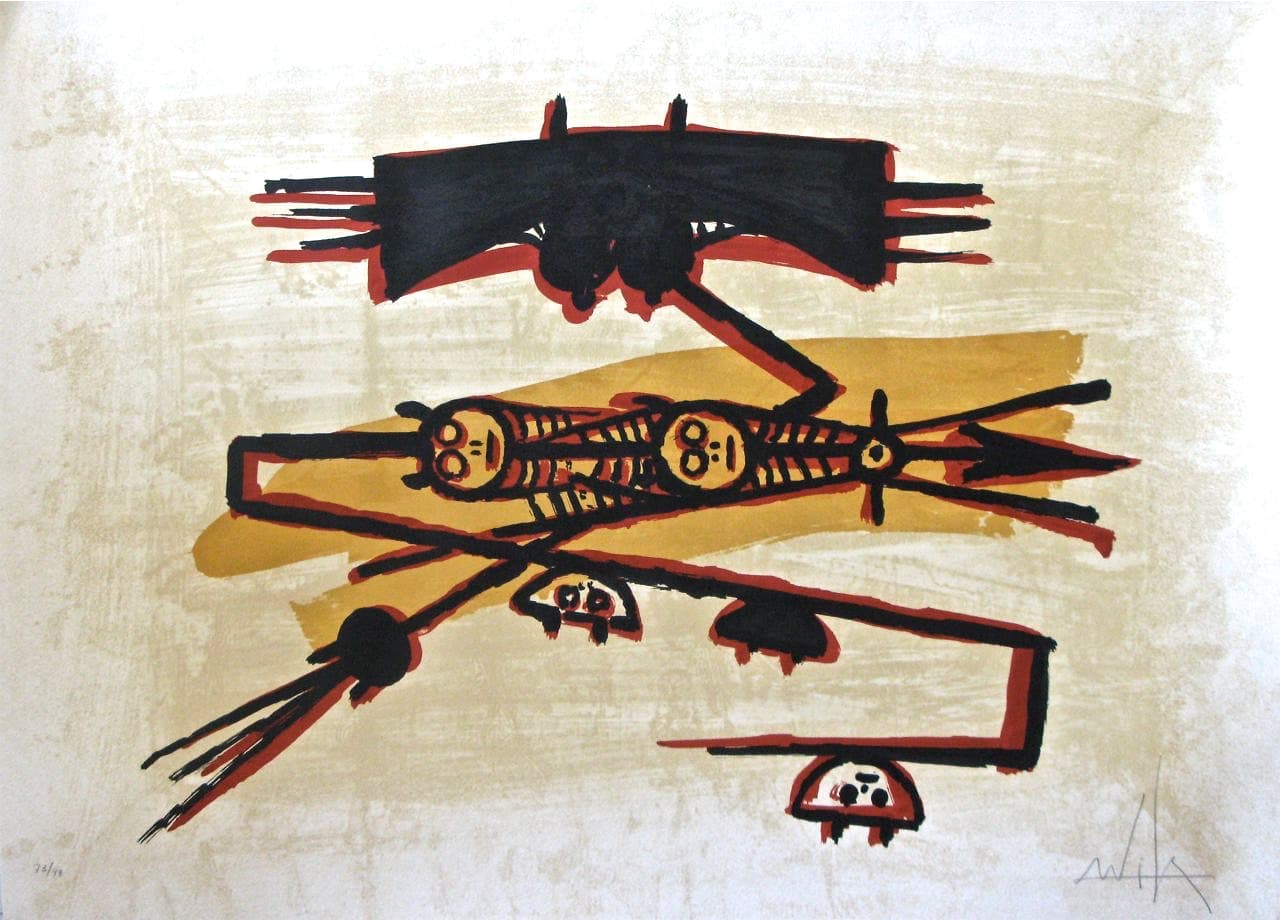
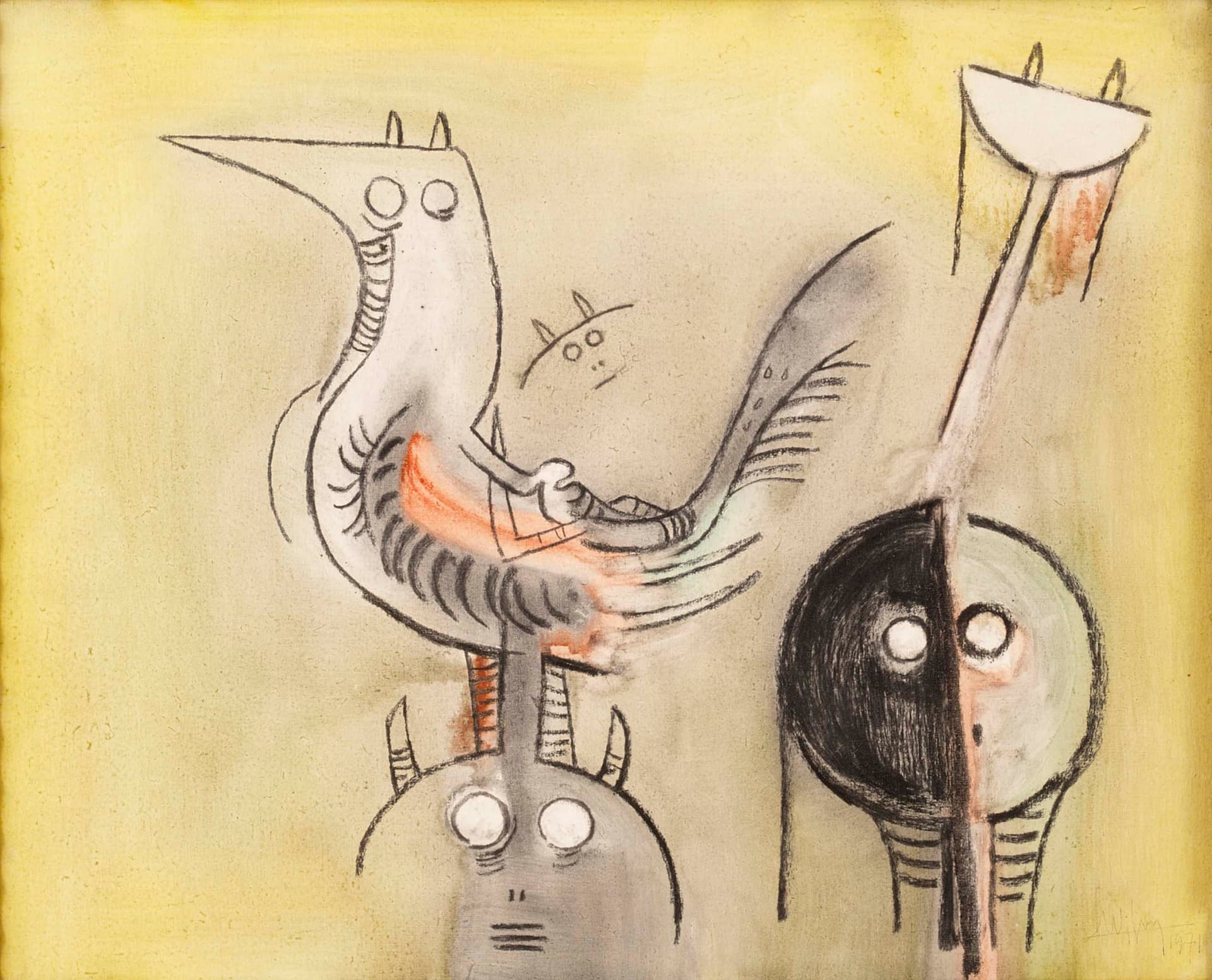
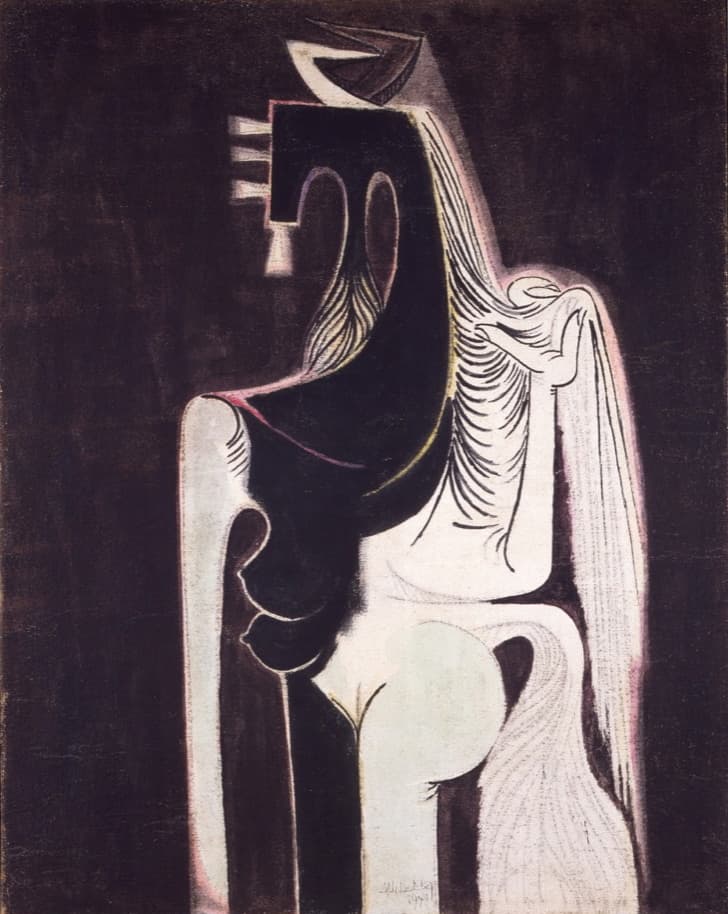
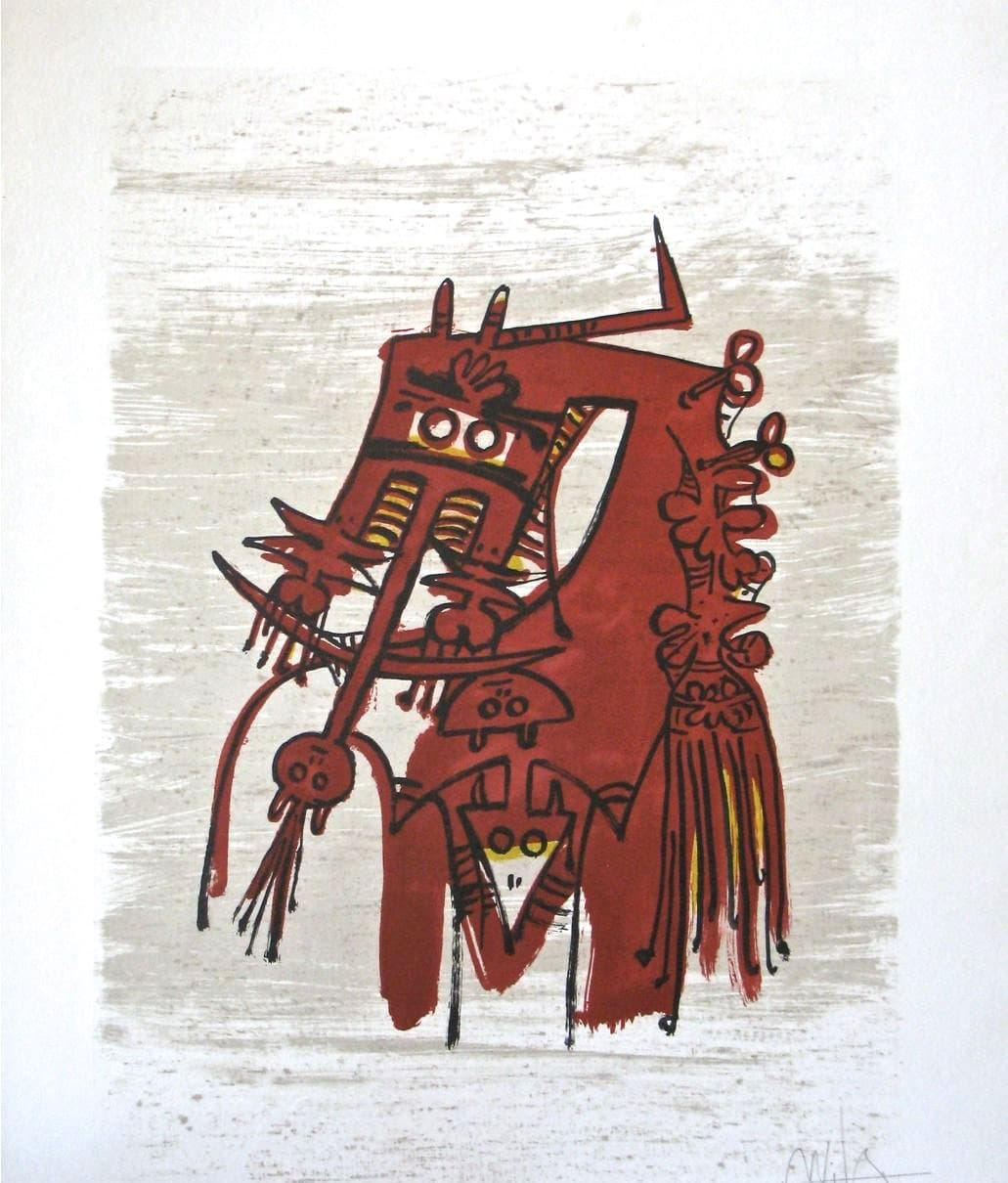
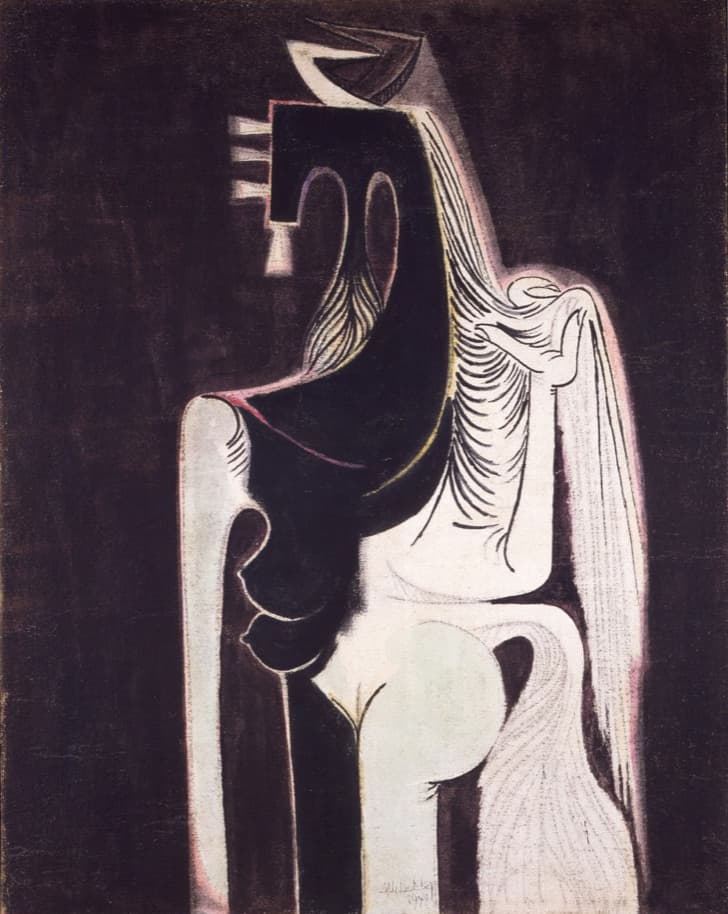
When Lam returned to Cuba in 1941 after years in Europe, the experience was transformative. He encountered his homeland with new eyes and became deeply aware of its racial inequalities, colonial legacies, and the vitality of Afro Cuban religion. This return pushed his work into its most original phase. He began creating powerful images filled with hybrid beings that combine human, animal, and vegetal forms. These figures often appear masked, elongated, or fragmented, existing in dreamlike spaces that feel both sacred and tense. They are not simply decorative inventions. They reflect spiritual systems, colonial trauma, hidden identities, and the persistence of African cultural memory in the Caribbean. His most famous painting, The Jungle, completed in 1943, is one of the key works of modern art. In it, dense vertical forms and uncanny figures fill the surface in a compressed, almost claustrophobic arrangement. The painting suggests sugarcane, tropical growth, ritual presence, and the violent history of plantation economies. It is both beautiful and unsettling, and it captures Lam’s ability to unite formal sophistication with historical and spiritual meaning.
Throughout his career, Lam worked in painting, drawing, printmaking, and ceramics. He lived and exhibited internationally, spending time in Cuba, France, Italy, and elsewhere, but his work never drifted into empty cosmopolitanism. He remained committed to creating art that challenged Western assumptions and gave visual force to cultures often marginalized in mainstream art history.
Wifredo Lam died in Paris in 1982. Today he is remembered as a towering modern artist whose work broke open the language of modernism. He showed that modern art did not have to speak in a purely European voice. It could emerge from the Caribbean, from mixed ancestry, from ritual memory, and from histories of resistance. That is what gives his work its enduring power.
Represented By
Artworks by Wifredo Lam