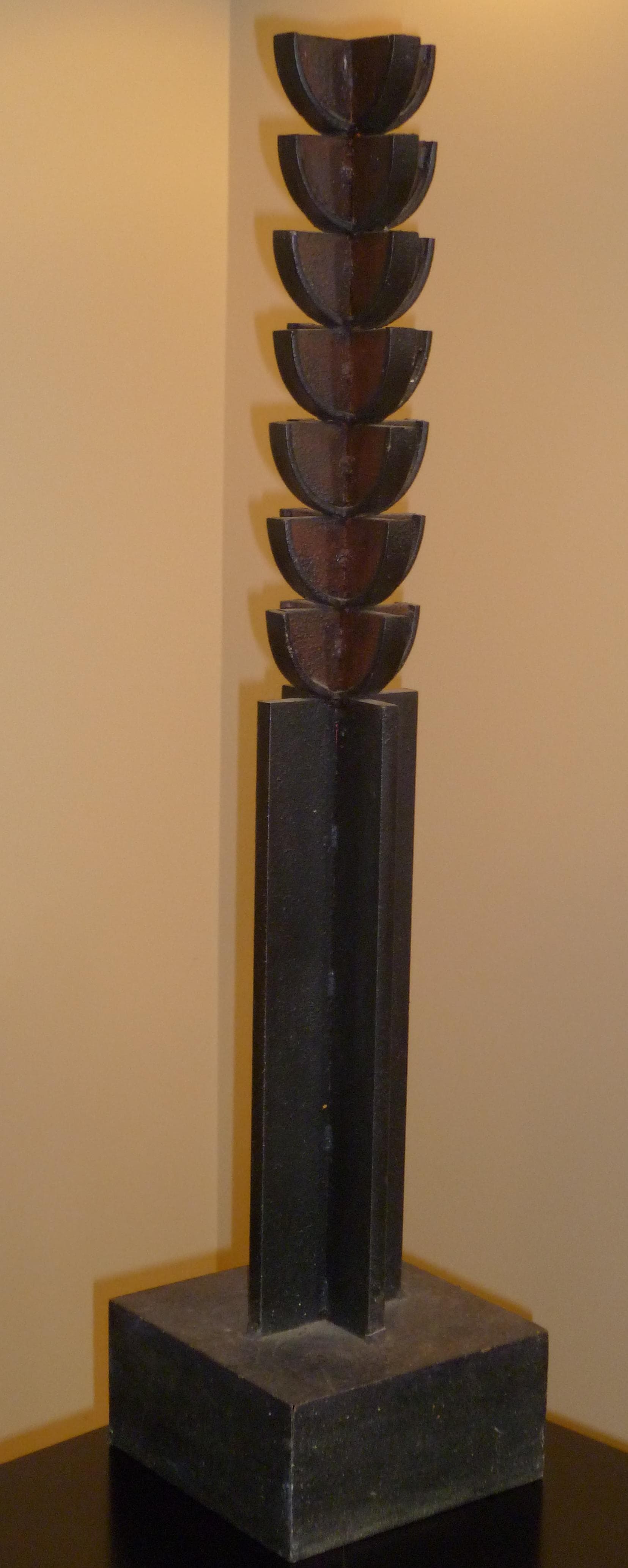
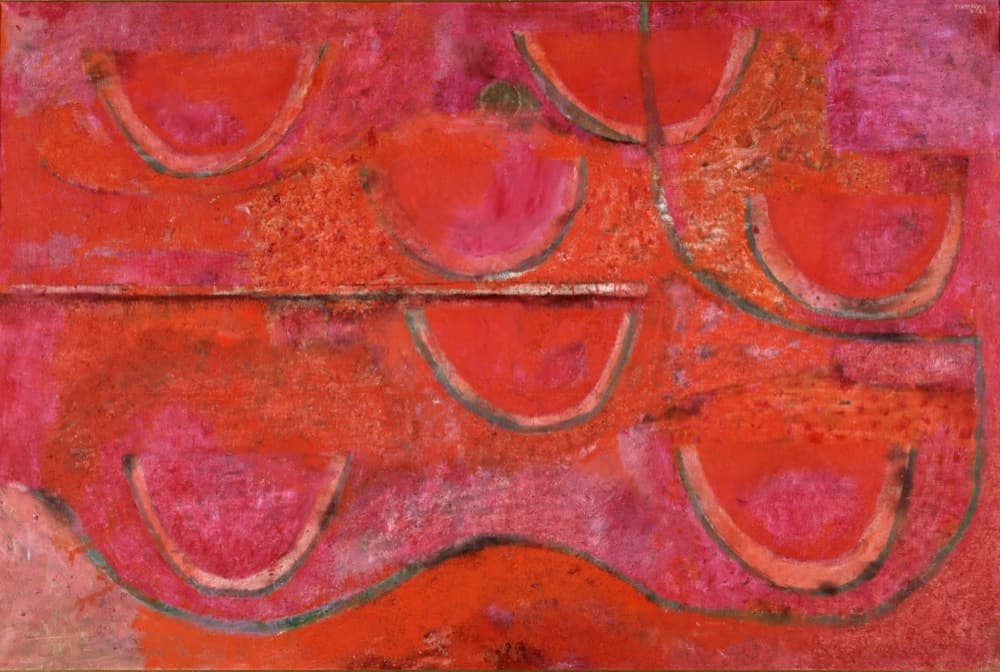
Rufino Tamayo
Mexico, b. 1899, d. 1991
Rufino del Carmen Arellanes Tamayo (August 25, 1899 – June 24, 1991) was a Mexican painter and printmaker born in Oaxaca, Mexico. He is considered one of the most significant figures in 20th-century Mexican art, known for developing a distinctive modern style that diverged from the politically driven Mexican muralist movement. While his contemporaries emphasized nationalism and social realism, Tamayo pursued a more universal artistic language grounded in form, color, and human experience.
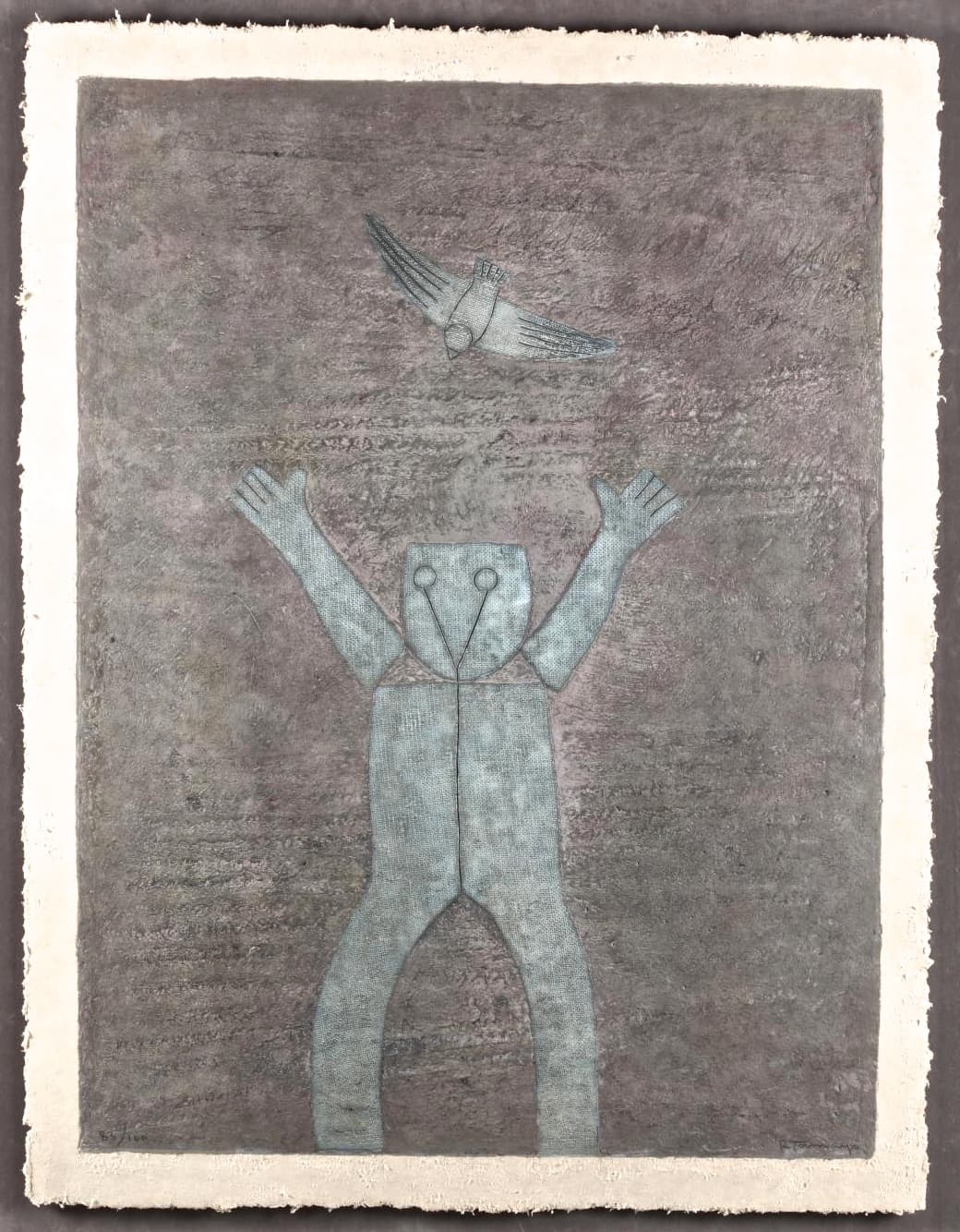
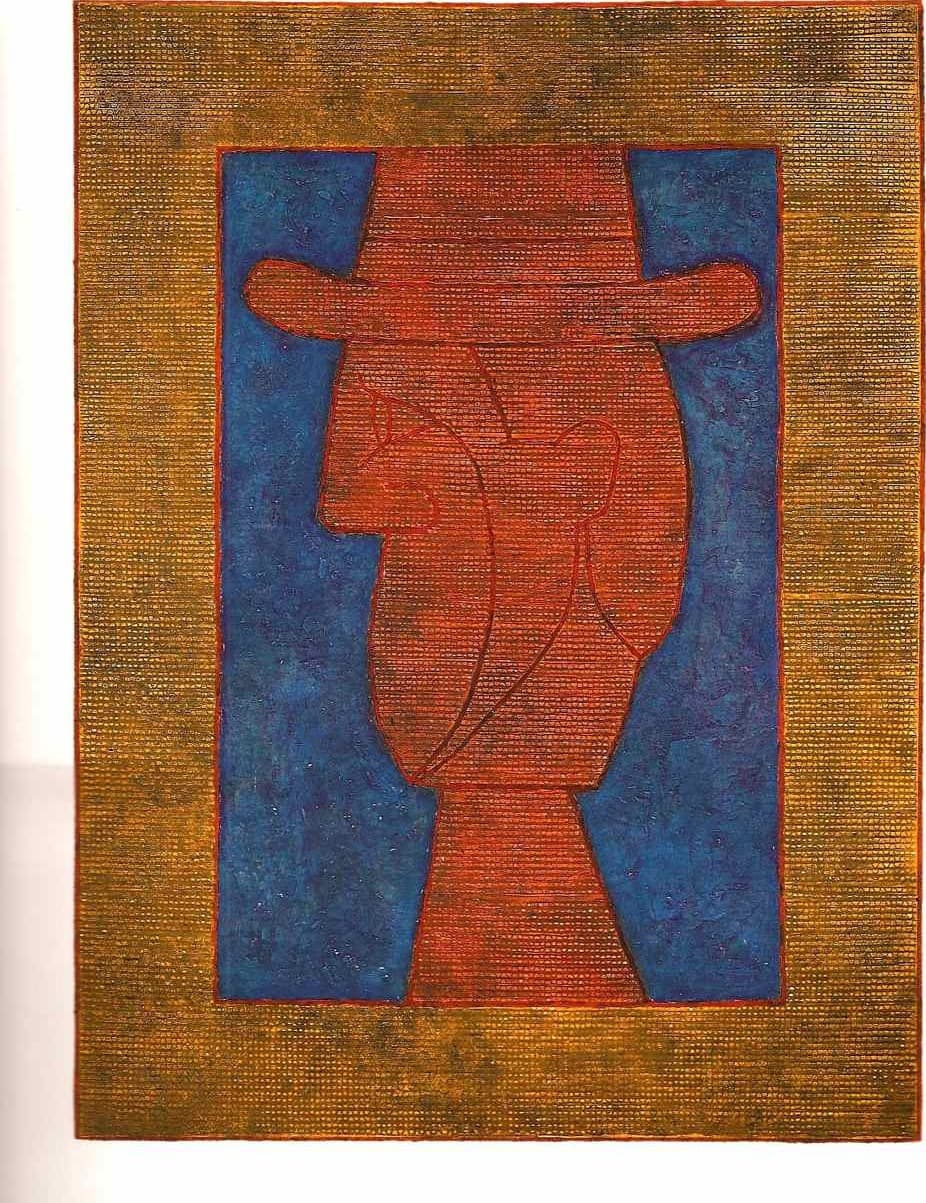
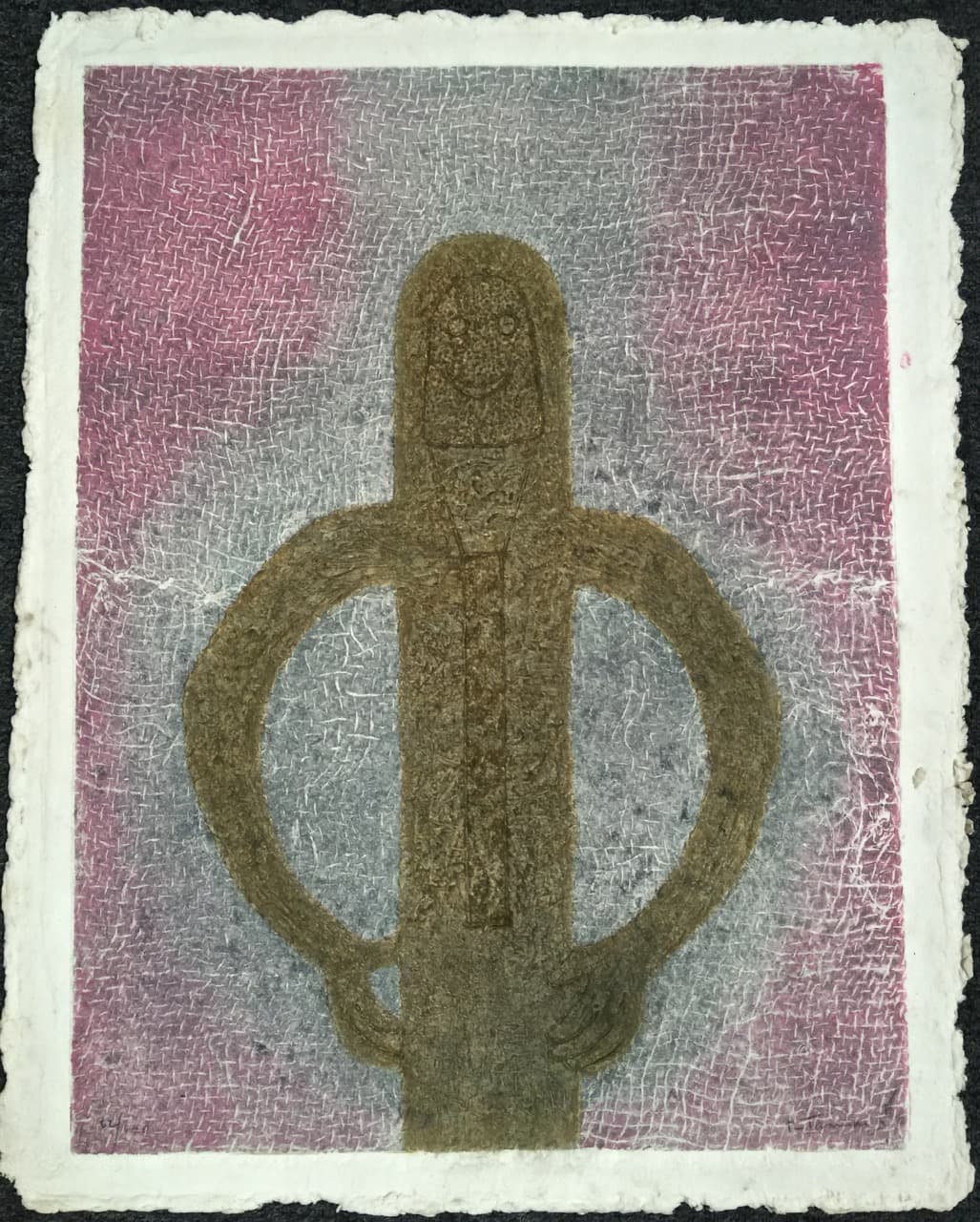
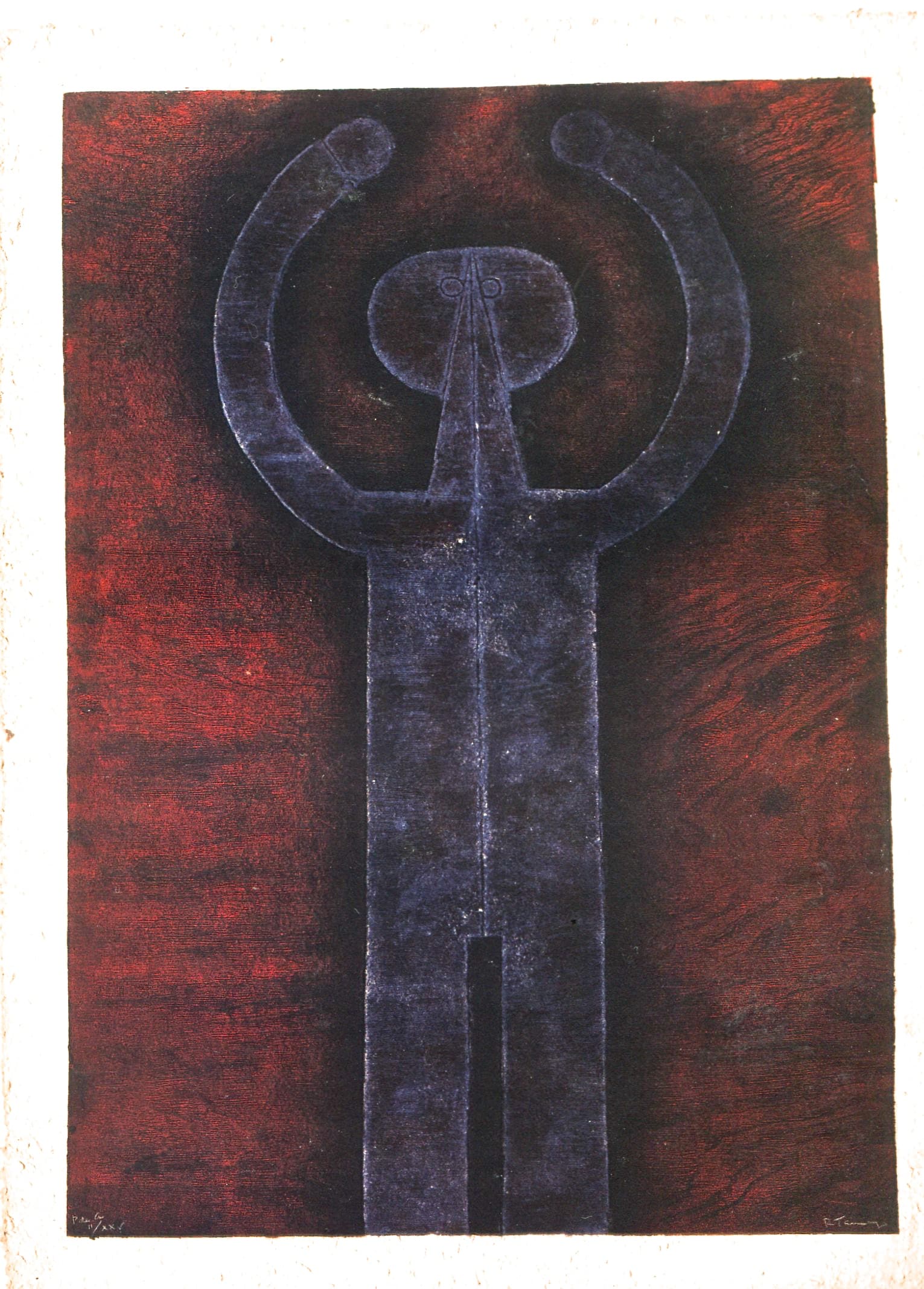
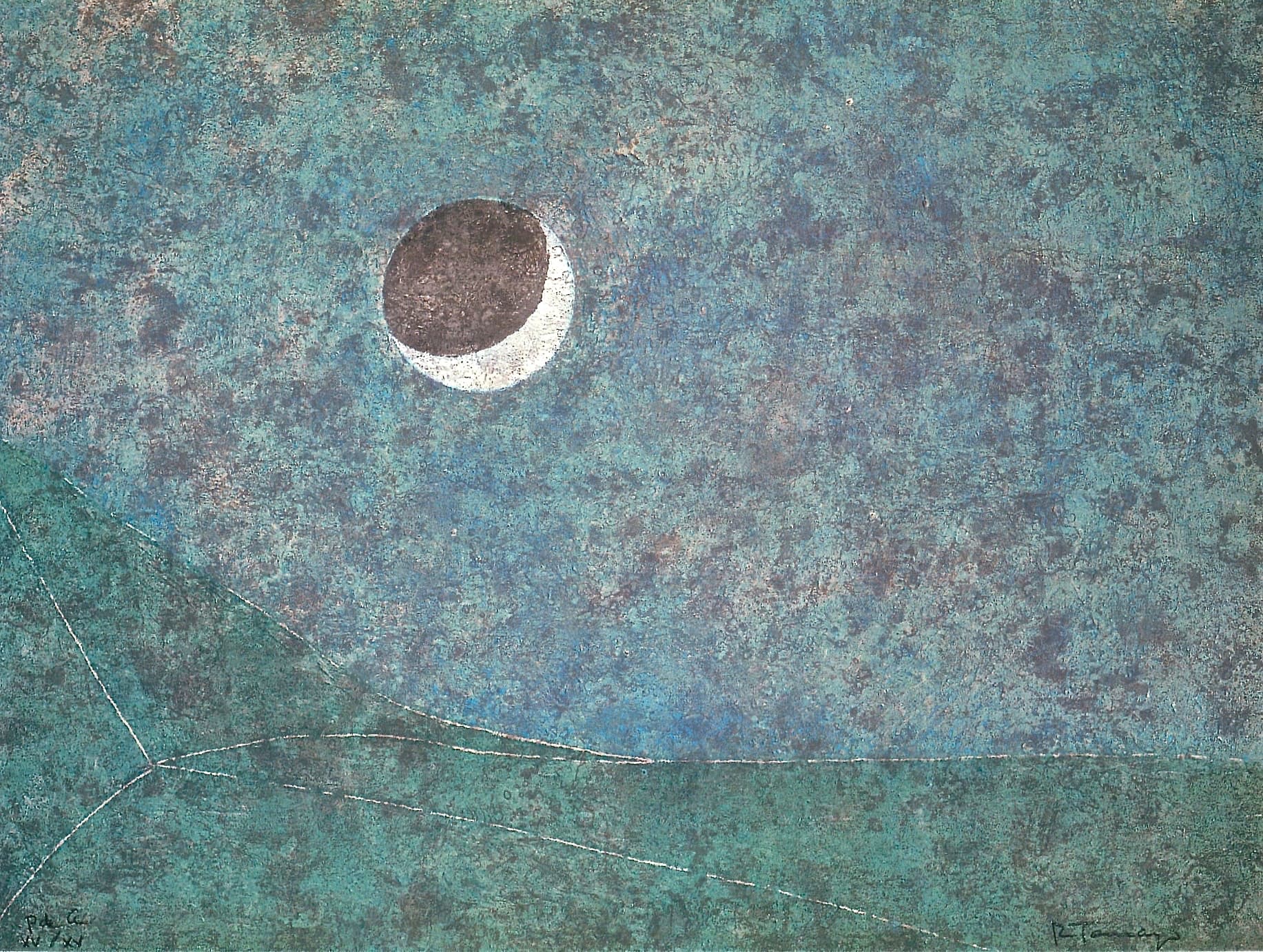
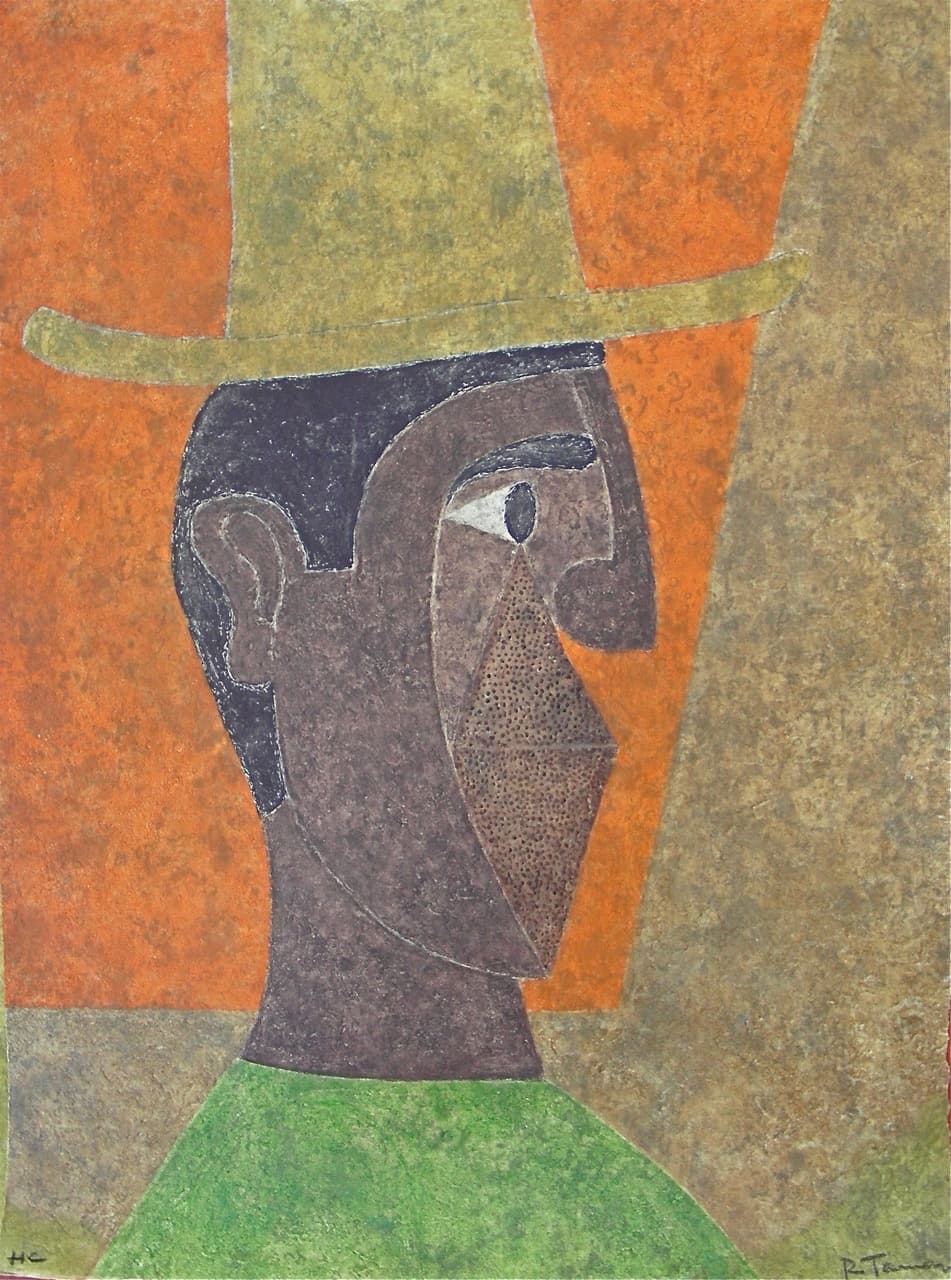
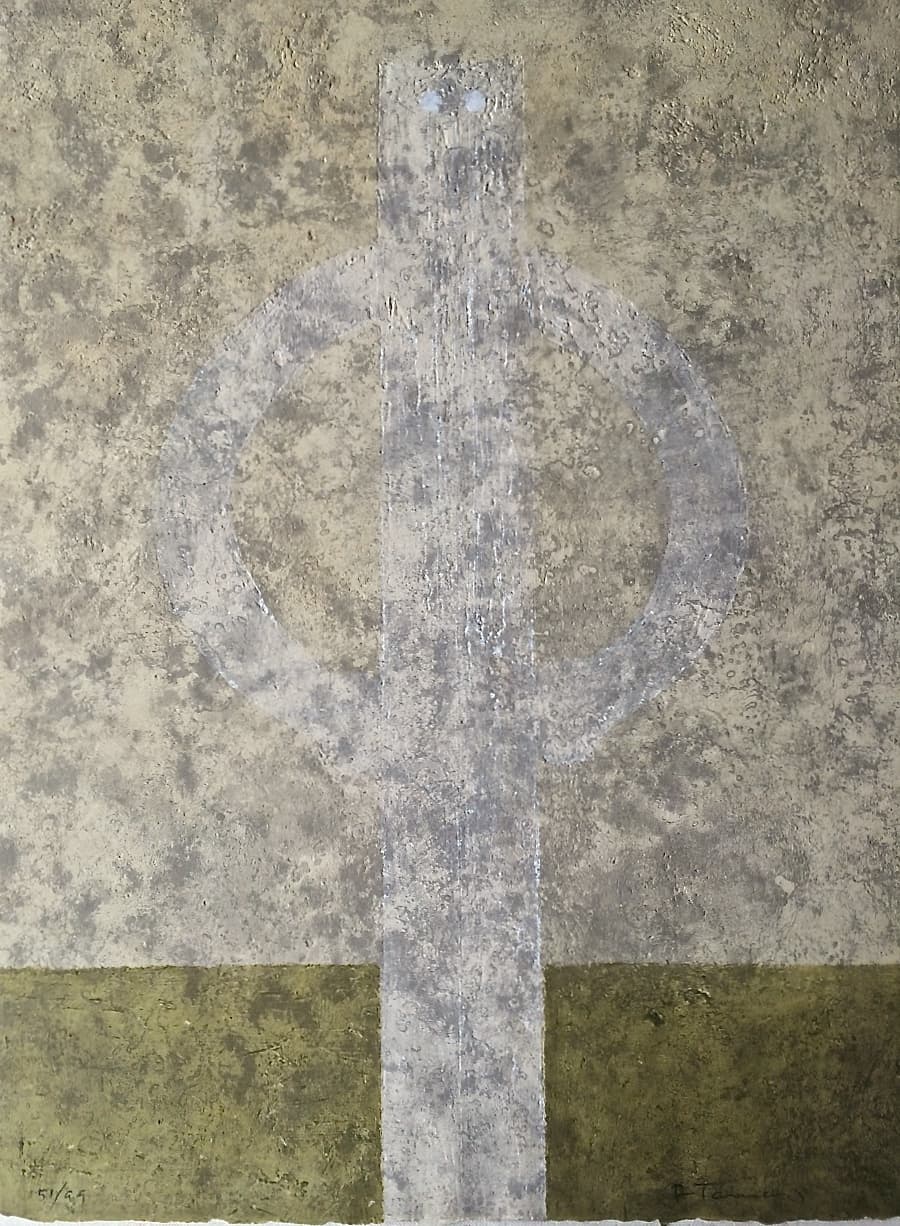
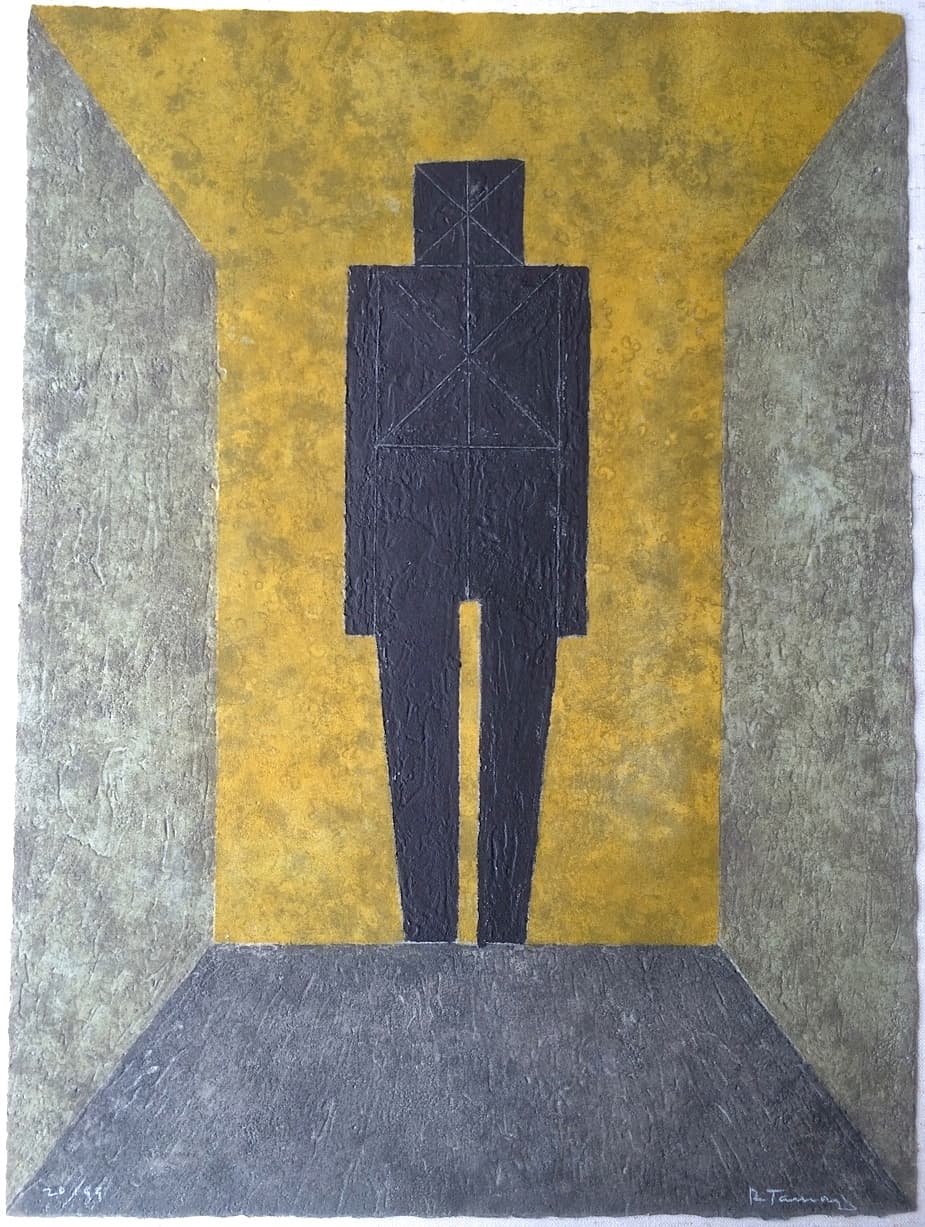
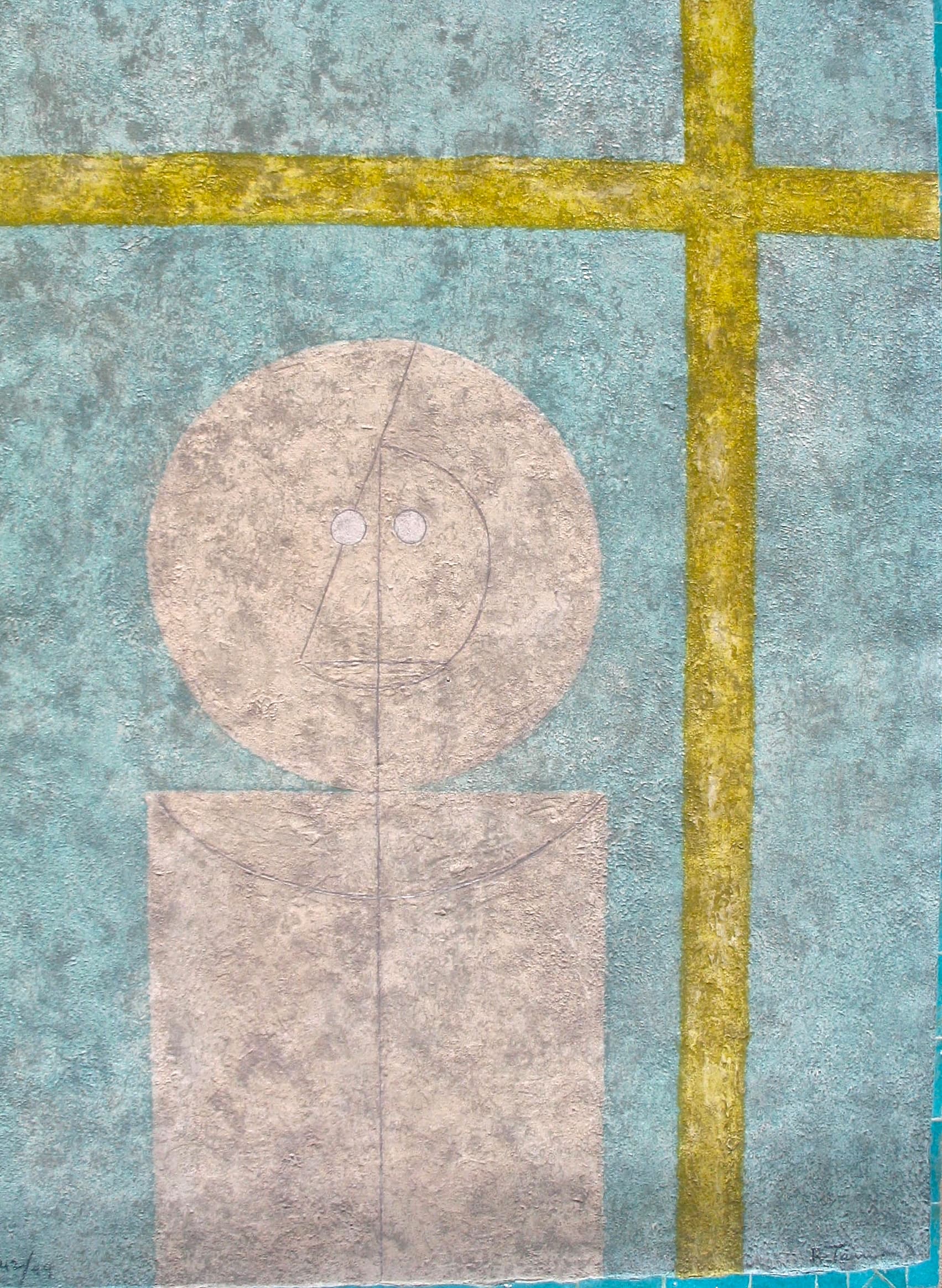
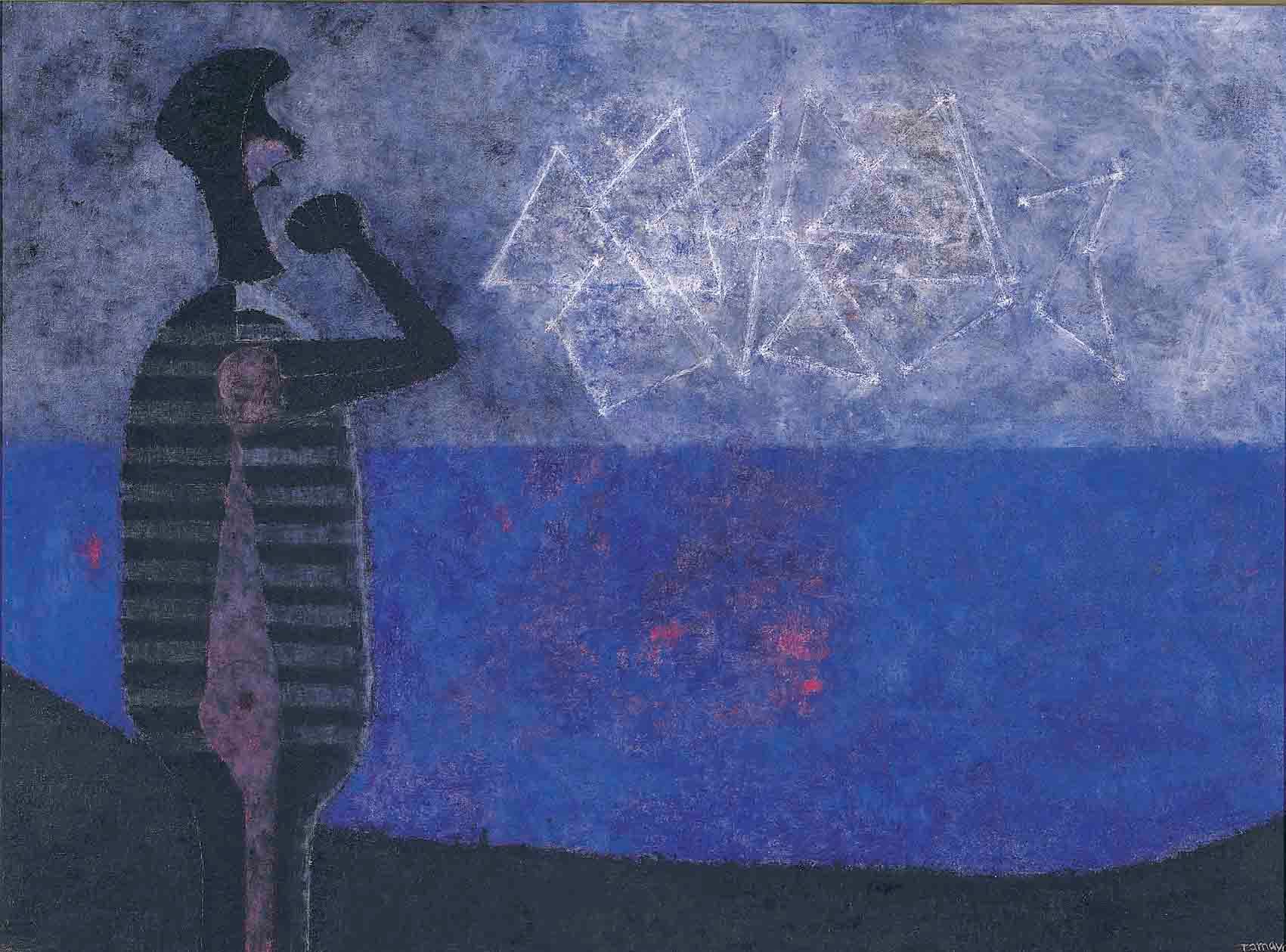
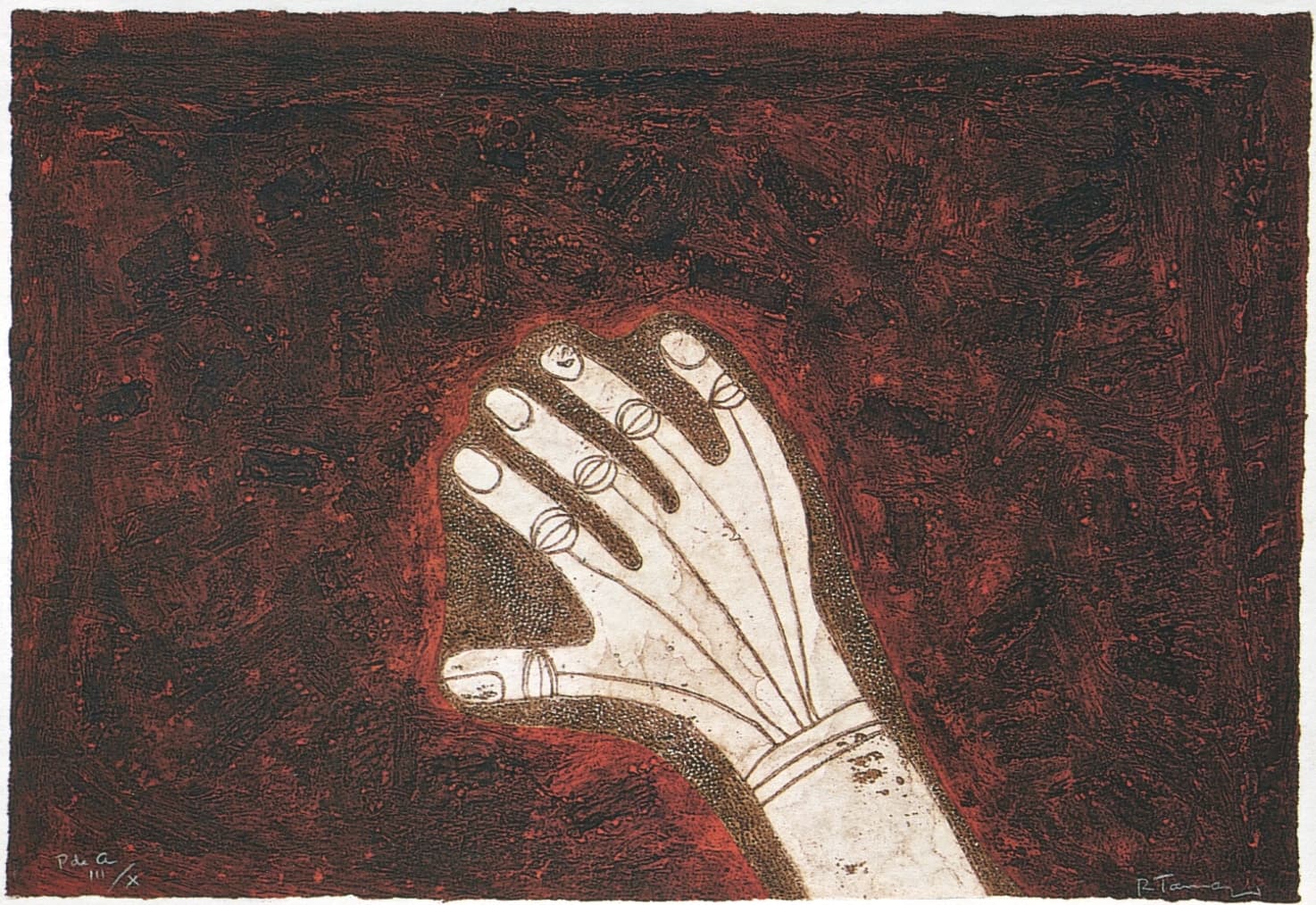
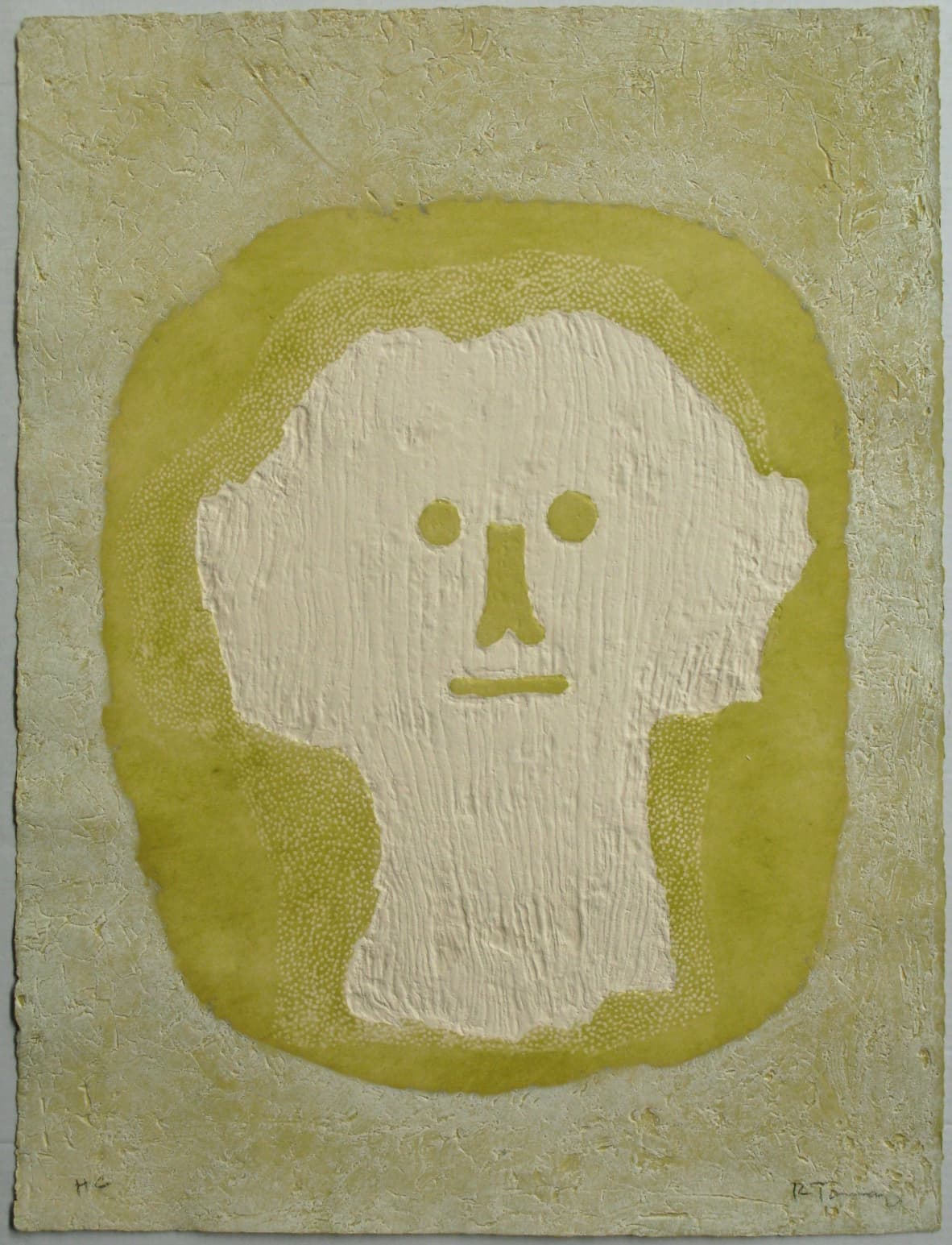
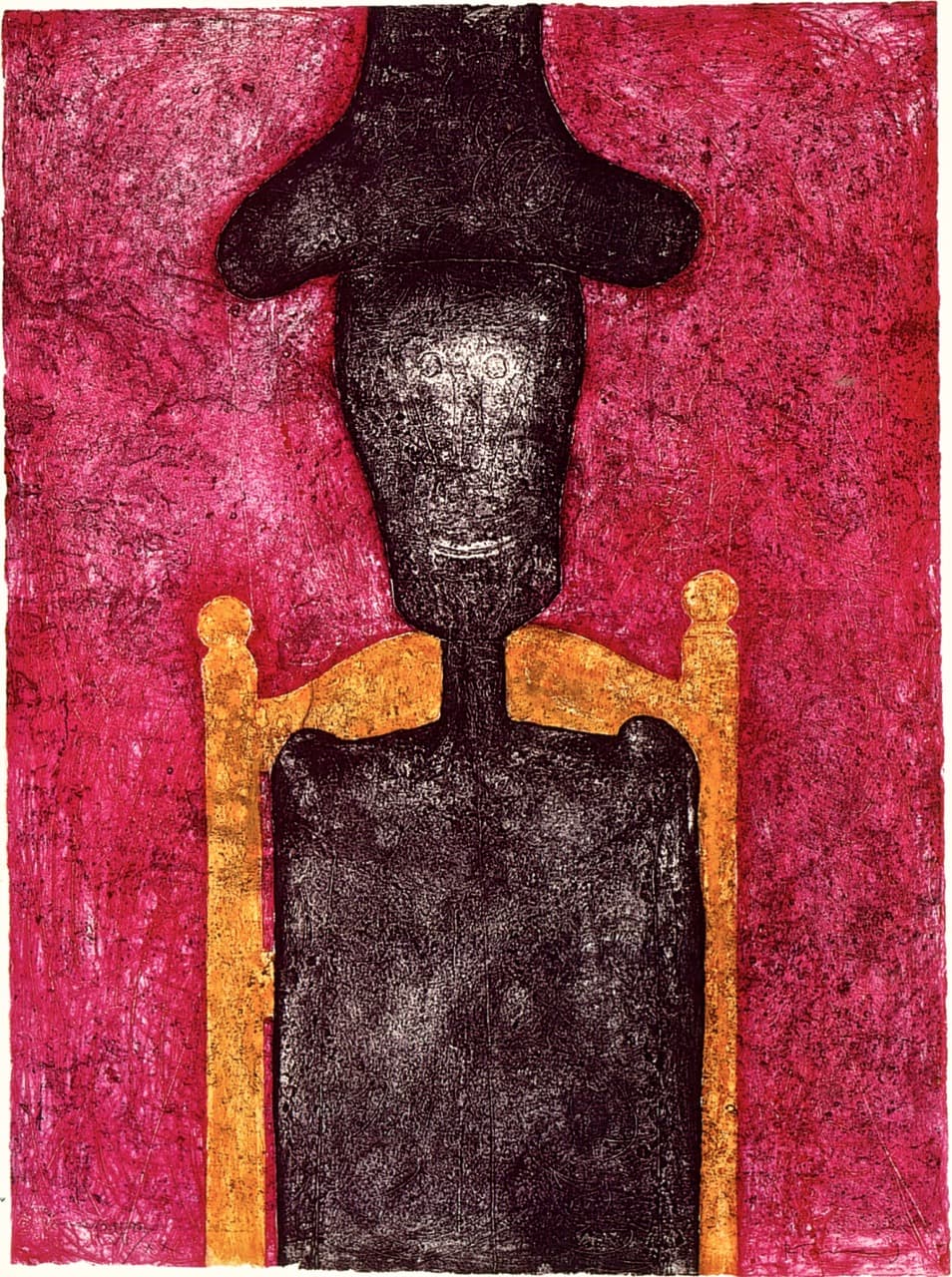
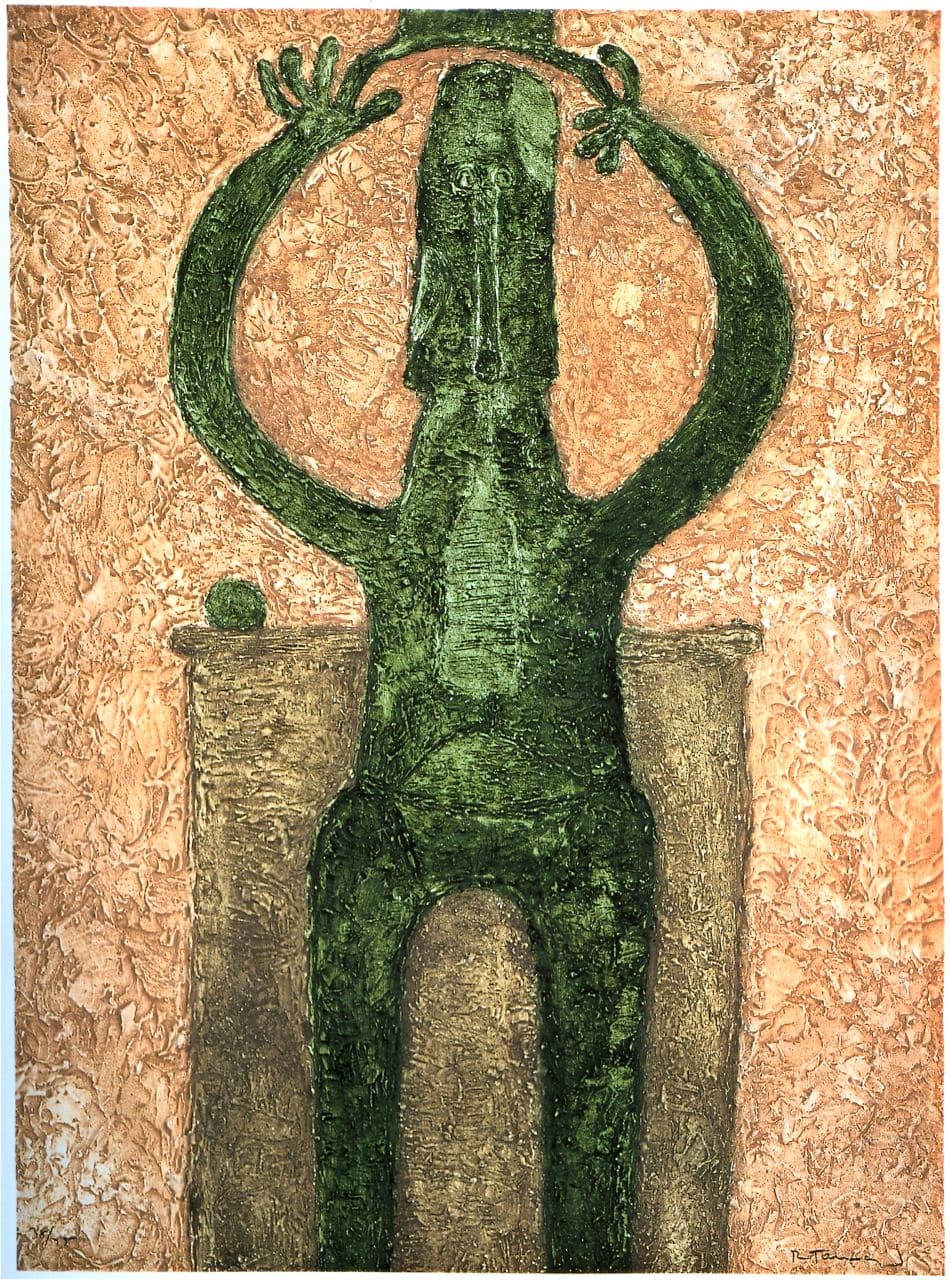
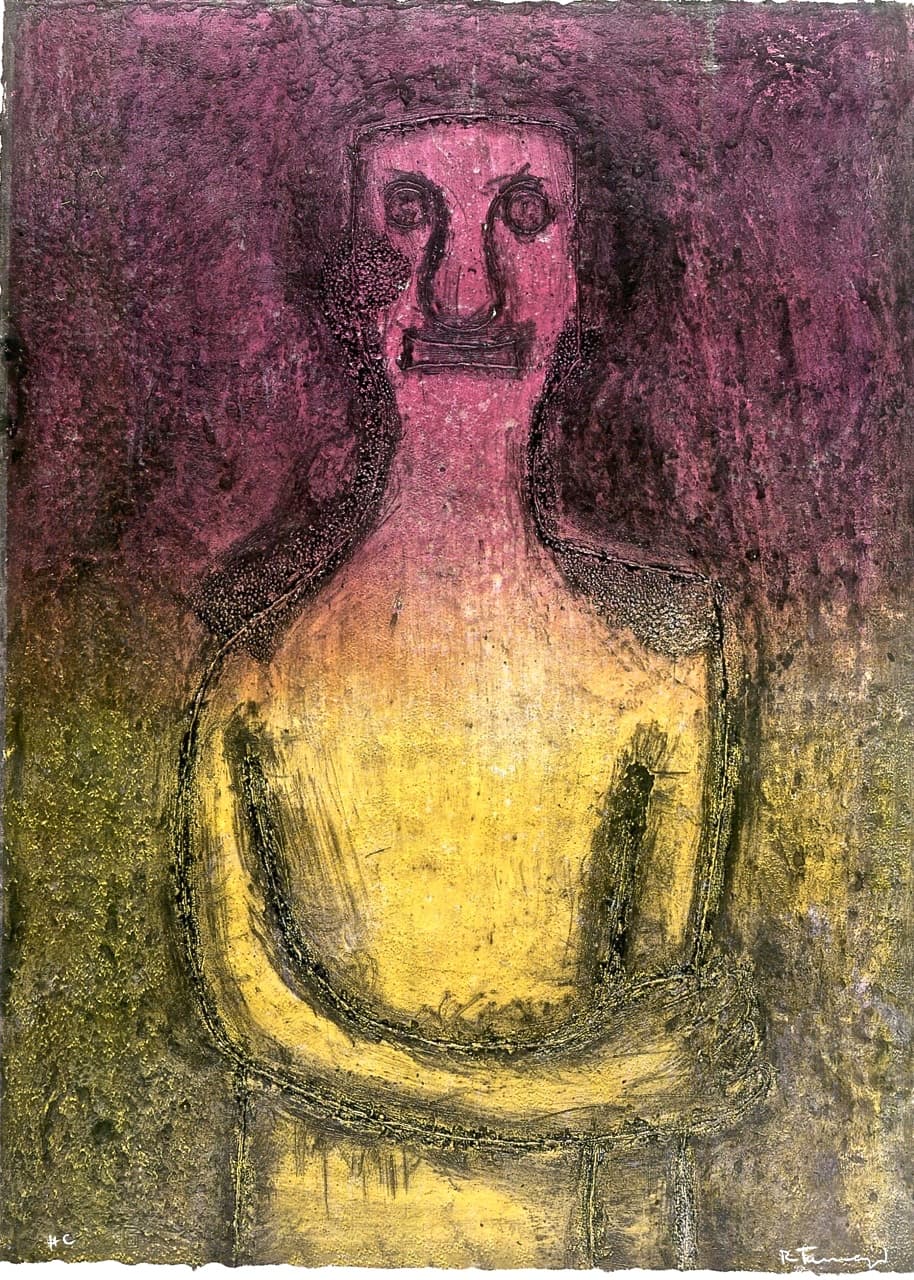
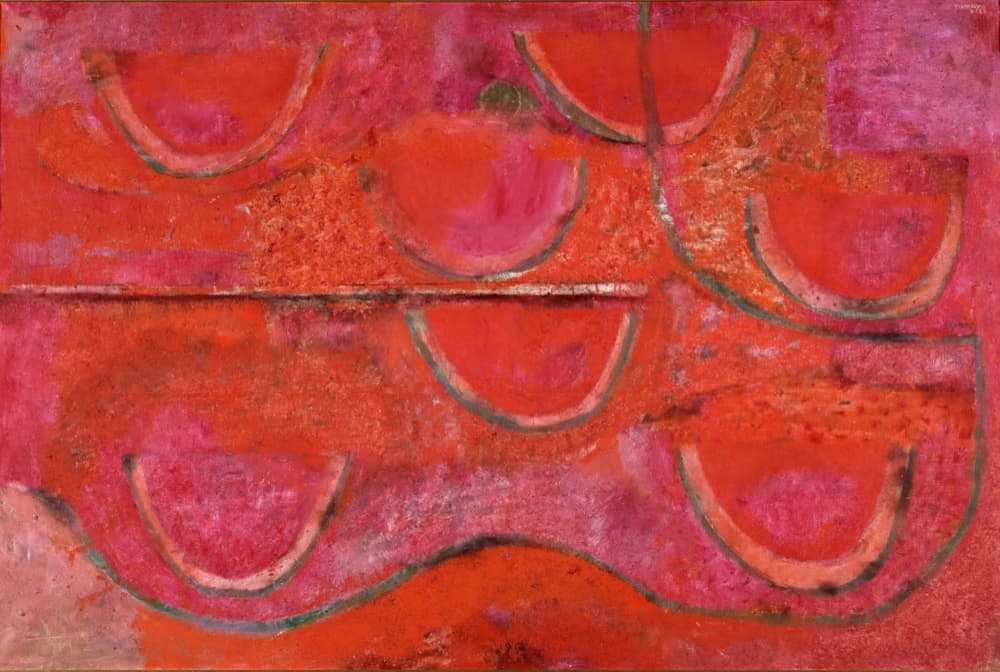
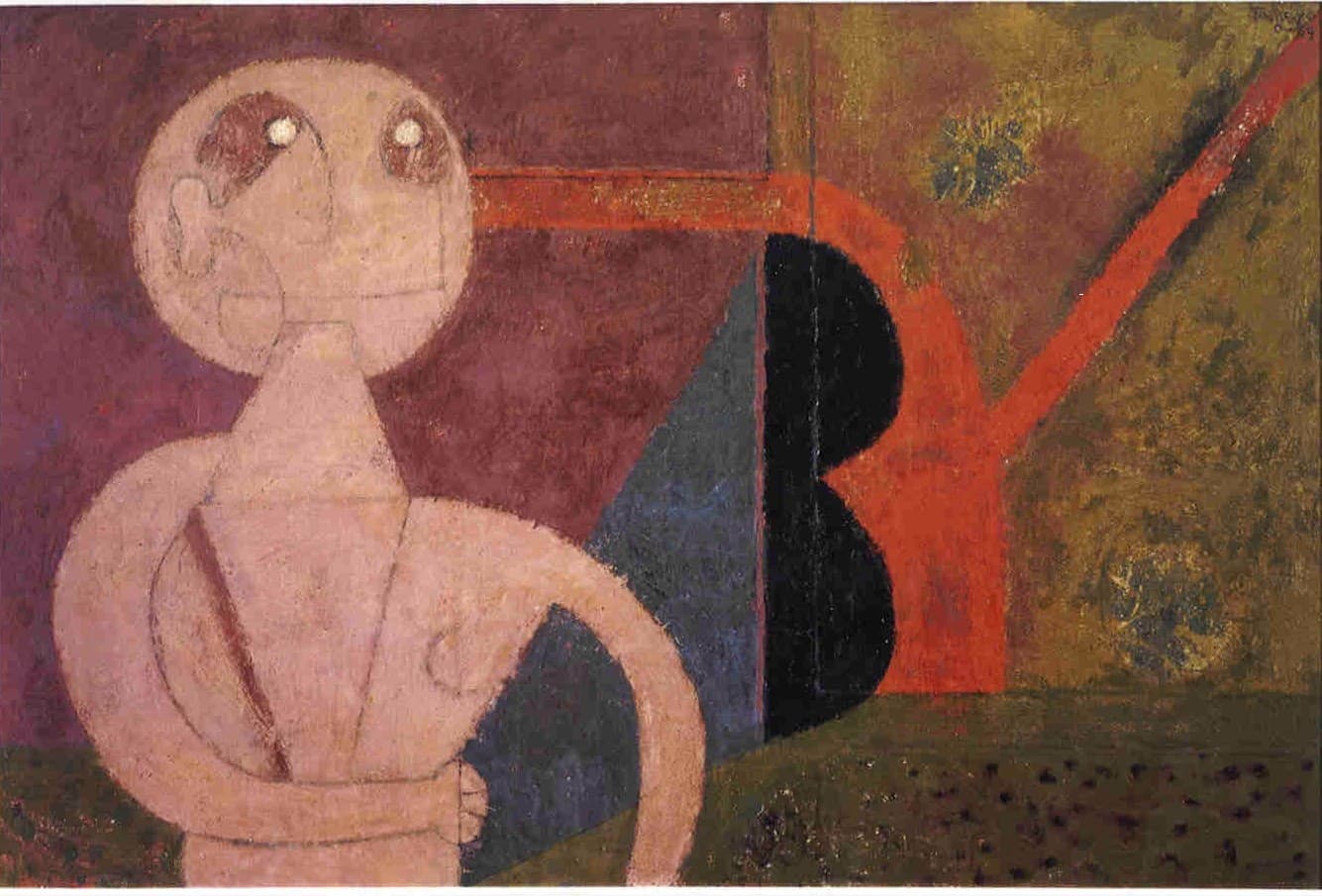
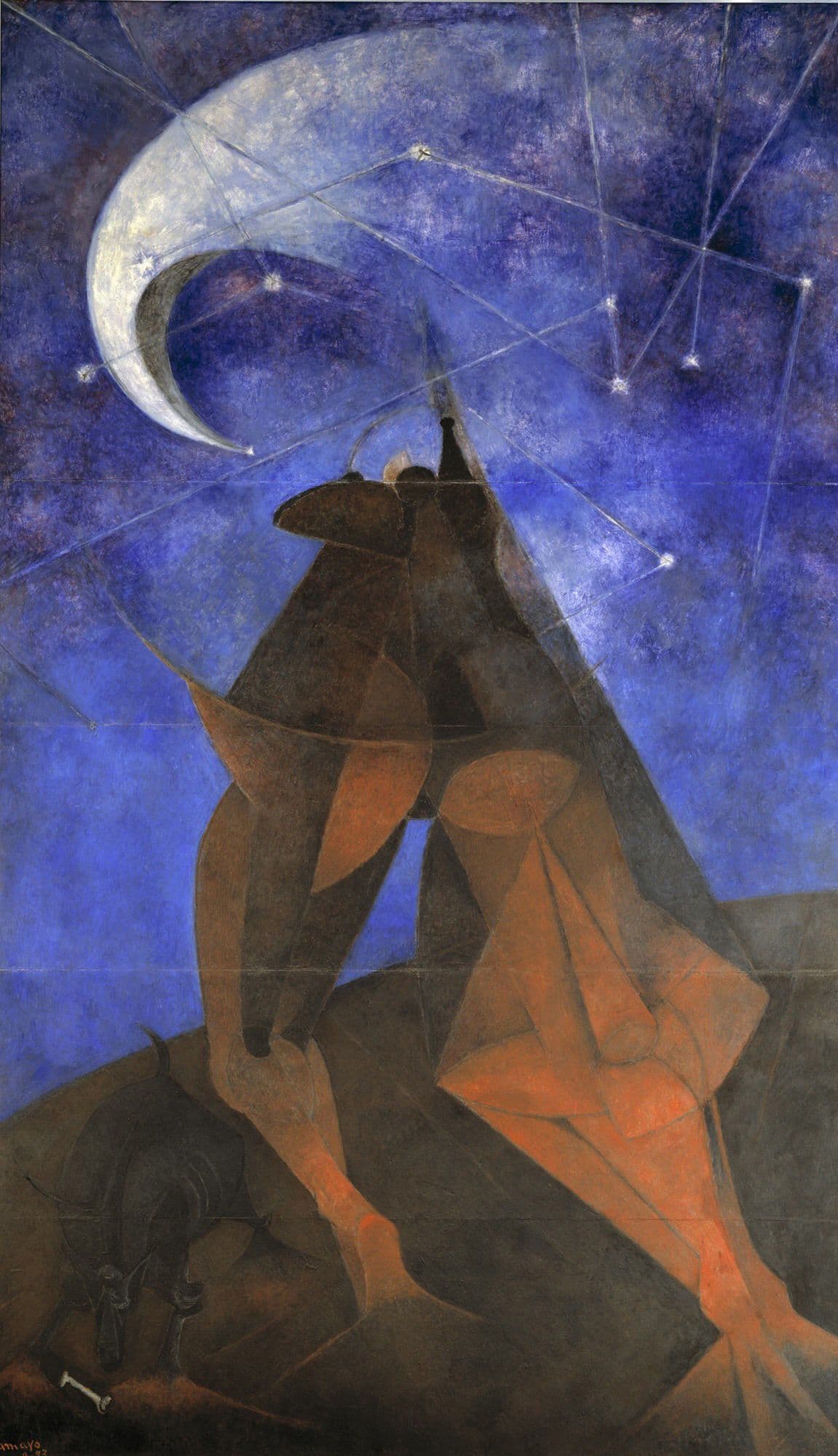
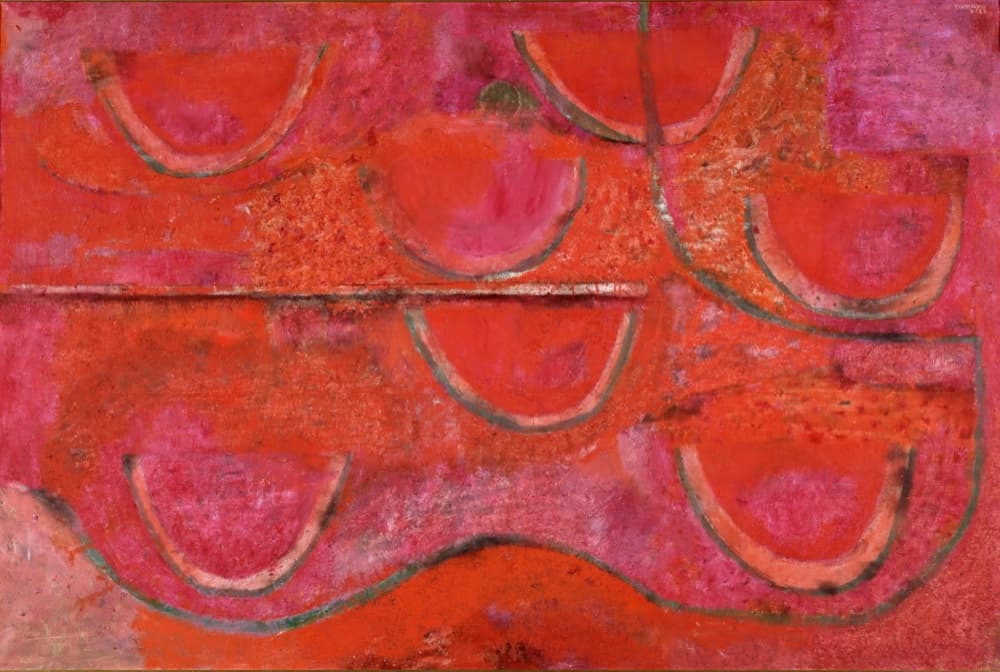
Tamayo’s work blends elements of Mexican heritage—particularly pre-Columbian art and indigenous culture—with European modernism, including influences from Cubism and Surrealism. His compositions often feature simplified, abstracted figures set within luminous, atmospheric spaces. Rather than narrative or overt political content, his paintings explore themes such as humanity, cosmology, violence, and existential isolation. His use of bold, saturated colors, especially deep reds, purples, and oranges, became a defining characteristic of his visual language.
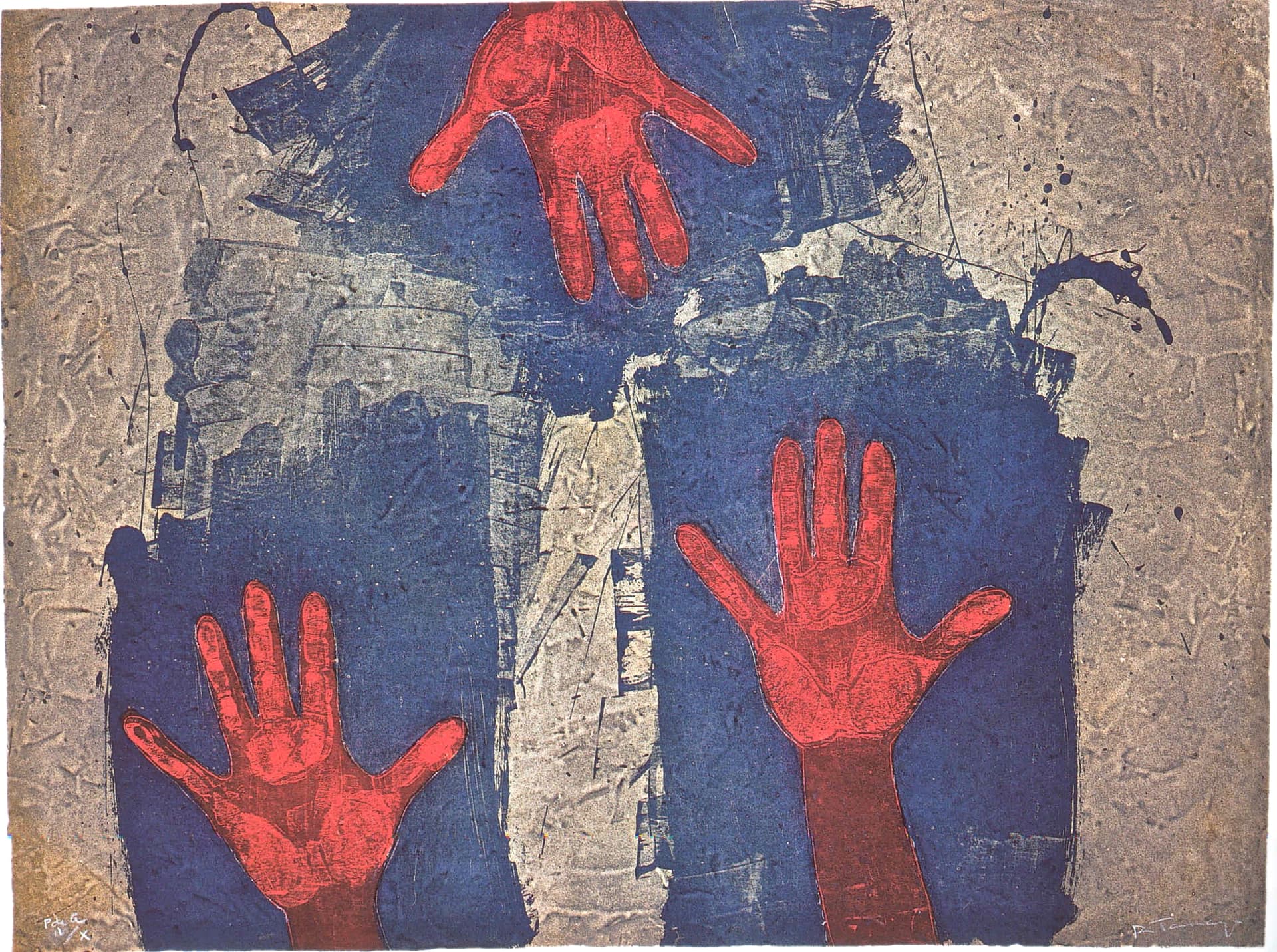
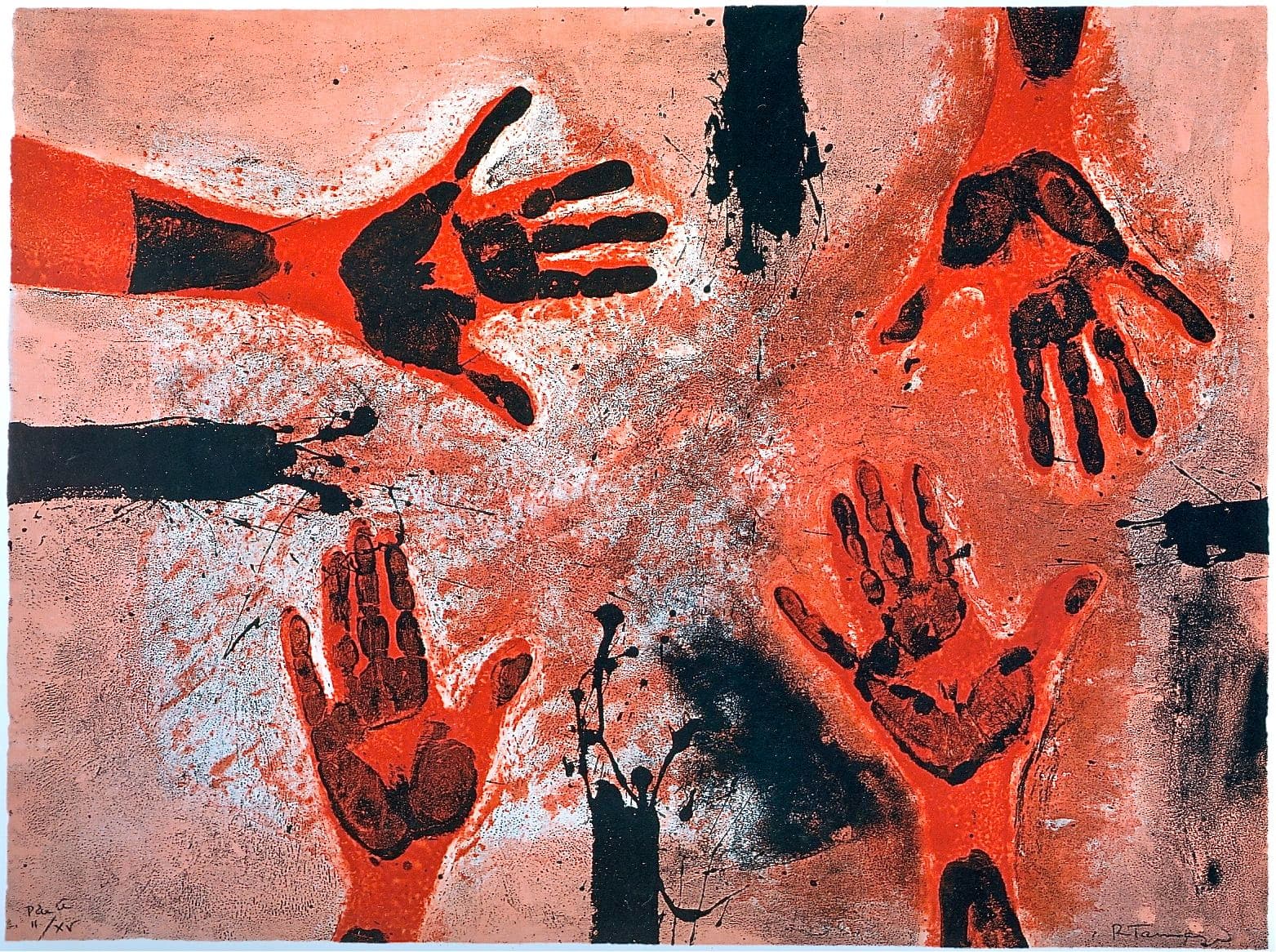
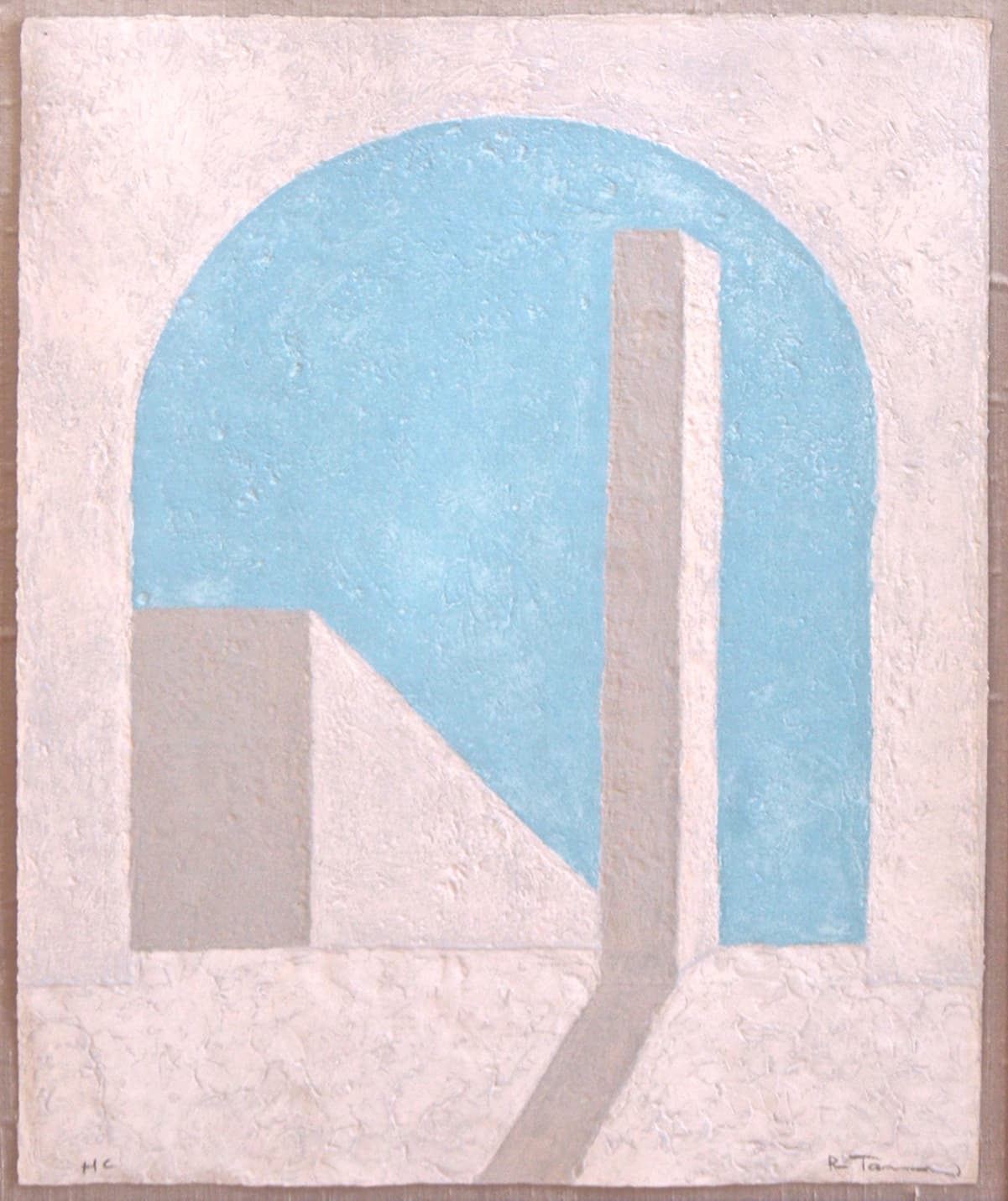
Throughout his career, Tamayo worked in painting, drawing, and printmaking, and he is especially recognized for his role in the development of mixografía, a printmaking technique that allows for richly textured, dimensional surfaces. This innovation expanded the possibilities of graphic work and reinforced his interest in materiality and experimentation.
He studied at the Escuela Nacional de Artes Plásticas in Mexico City and later worked at the National Museum of Anthropology, where he was exposed to pre-Hispanic artifacts that would profoundly influence his aesthetic. In the 1920s and 1930s, he lived in New York and exhibited internationally, gaining recognition outside Mexico at a time when Mexican muralism dominated the global perception of the country’s art.
Unlike muralists such as Diego Rivera, José Clemente Orozco, and David Alfaro Siqueiros, Tamayo rejected overt political messaging in favor of a more introspective and universal approach. This distinction positioned him as a key figure in bridging Mexican art with broader international modernist movements.
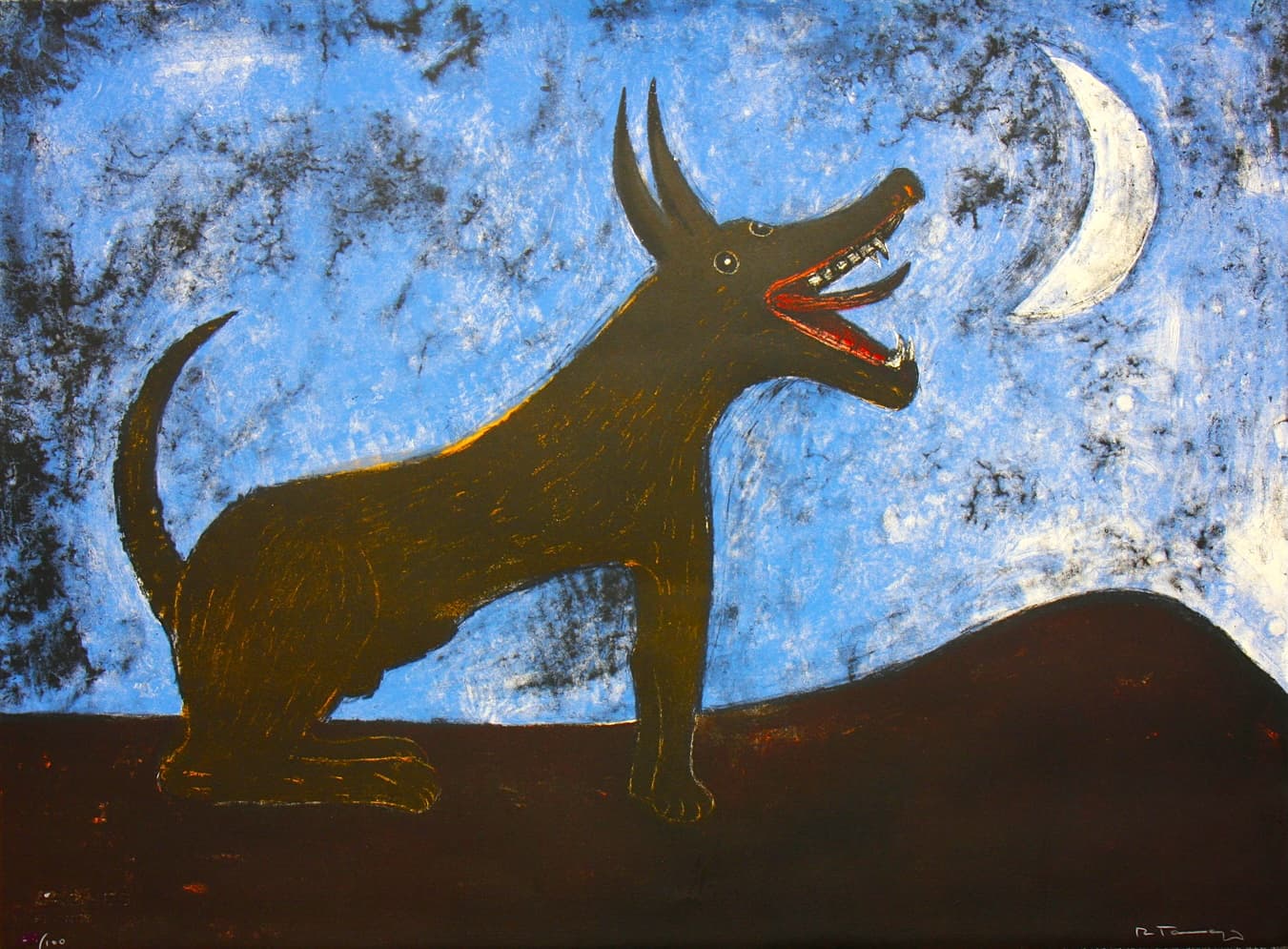
Among his most notable works are Animals, Man Contemplating the Infinite, and Women of Tehuantepec, as well as major mural commissions such as Duality, which reflects his interest in cosmic balance and opposing forces. Over the course of his career, he received numerous honors, including the Belisario Domínguez Medal and international recognition for his contributions to modern art.
Tamayo’s legacy lies in his ability to synthesize cultural identity with formal innovation. He helped redefine Mexican modernism by moving beyond nationalism toward a more global and philosophical perspective, while still maintaining a deep connection to his roots. Today, his work is held in major museum collections worldwide, and he remains a foundational figure in both Mexican and international modern art.
Represented By
Artworks by Rufino Tamayo
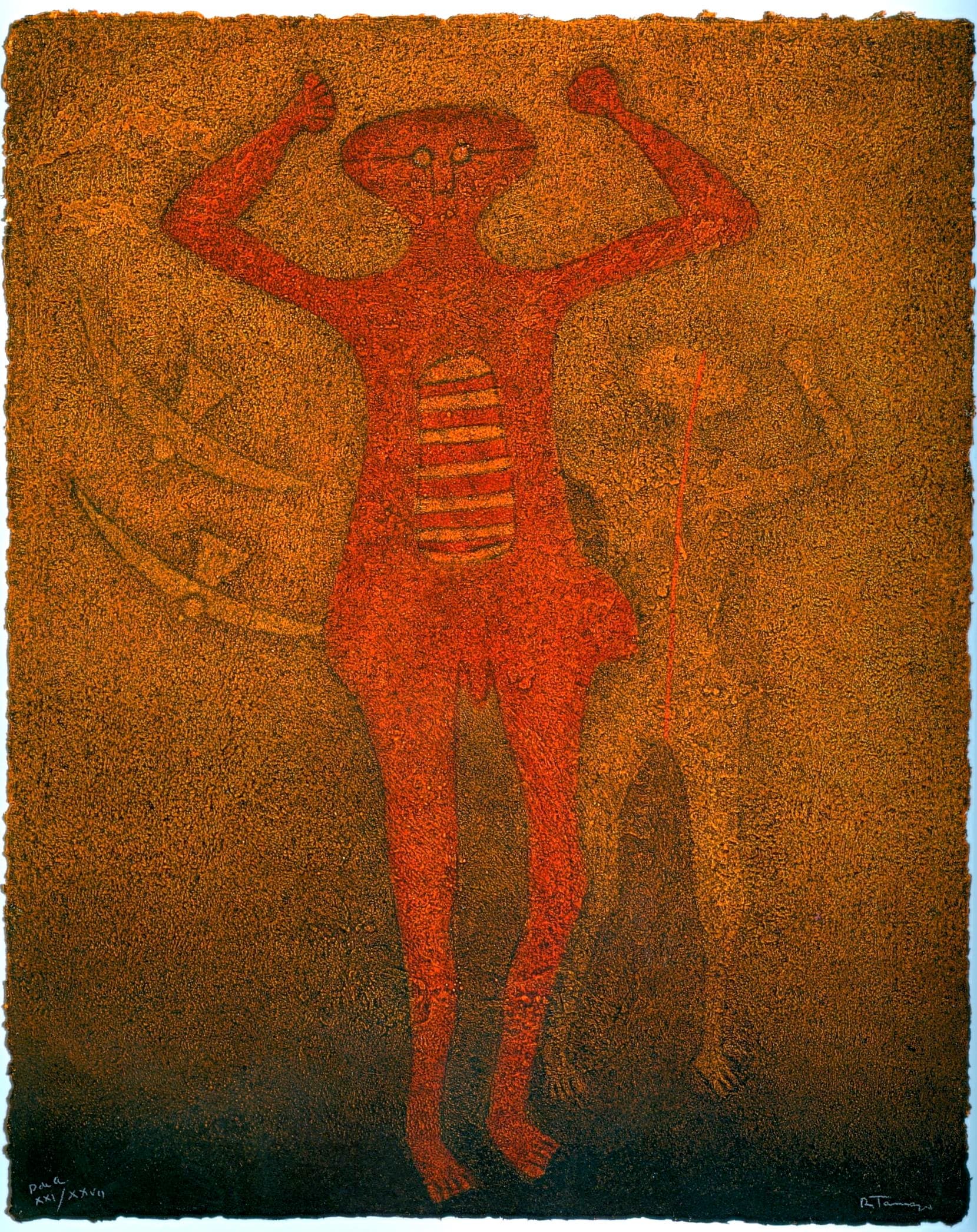
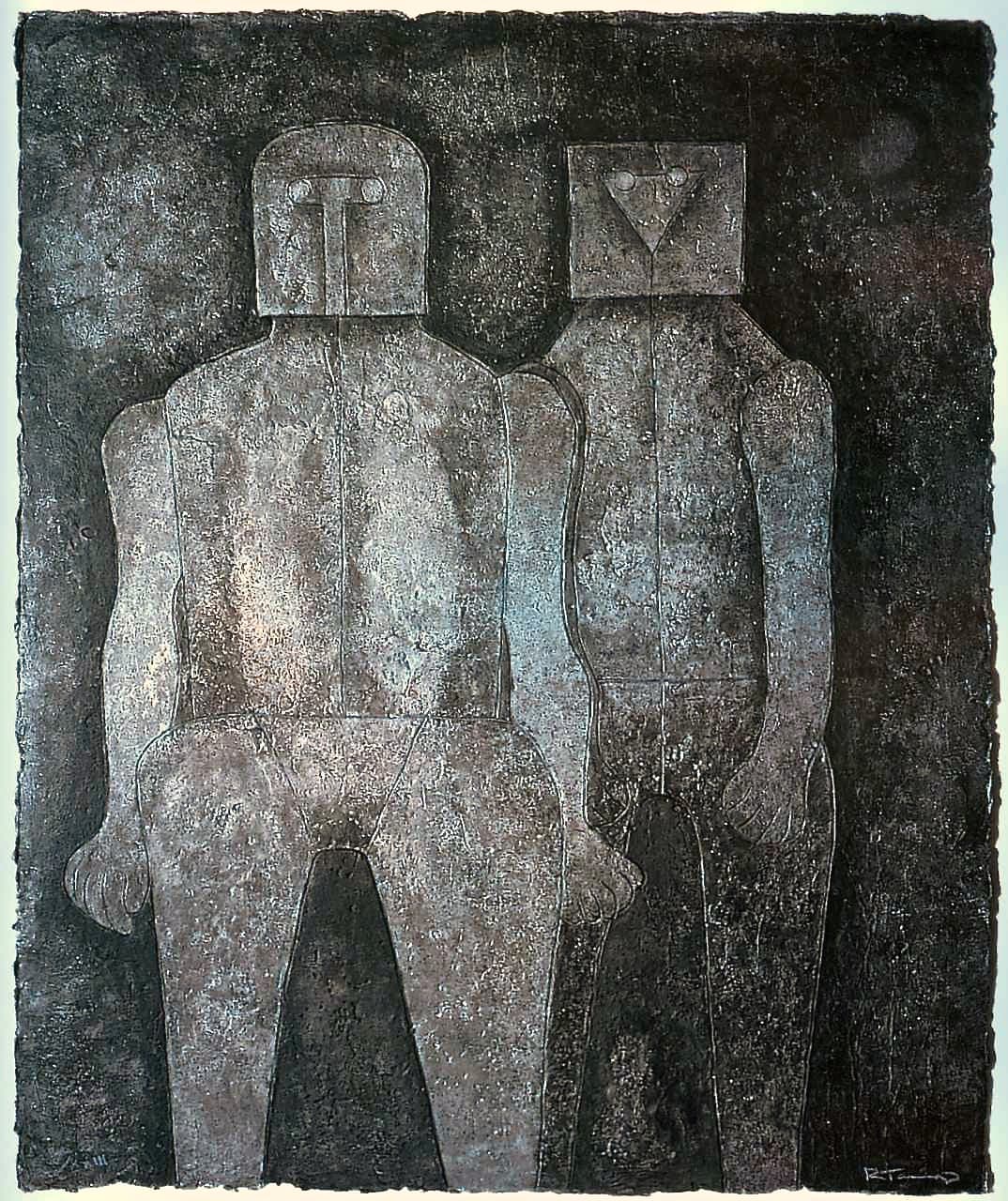
Editorial about Rufino Tamayo
Artist Spotlight: Rufino Tamayo, Mexico's International Modernist
Rufino Tamayo turned Zapotec heritage and Cubist form into a language of his own, becoming the great counterpoint to Mexico's muralist giants.
Juan Daniel · September 9, 2026
Read article