Roberto Matta
Chile, b. 1911, d. 2002
Roberto Antonio Sebastián Matta Echaurren, known simply as Matta, was a Chilean painter born on November 11, 1911, in Santiago, and died on November 23, 2002. He is widely regarded as one of the most important figures in twentieth century surrealism, with a career that spanned Europe and the Americas. His work played a key role in expanding surrealist ideas into new territories, combining psychological exploration, abstraction, and a unique approach to space and form. Matta initially trained as an architect in Chile, a background that would later influence his approach to pictorial space. In the 1930s, he moved to Europe, where he became involved with avant garde circles and established connections with leading artists and intellectuals. During this period, he joined the surrealist movement and began developing a personal visual language that moved beyond traditional representation. His work focused on what he described as “psychological morphologies,” creating environments that suggest inner states rather than external reality.
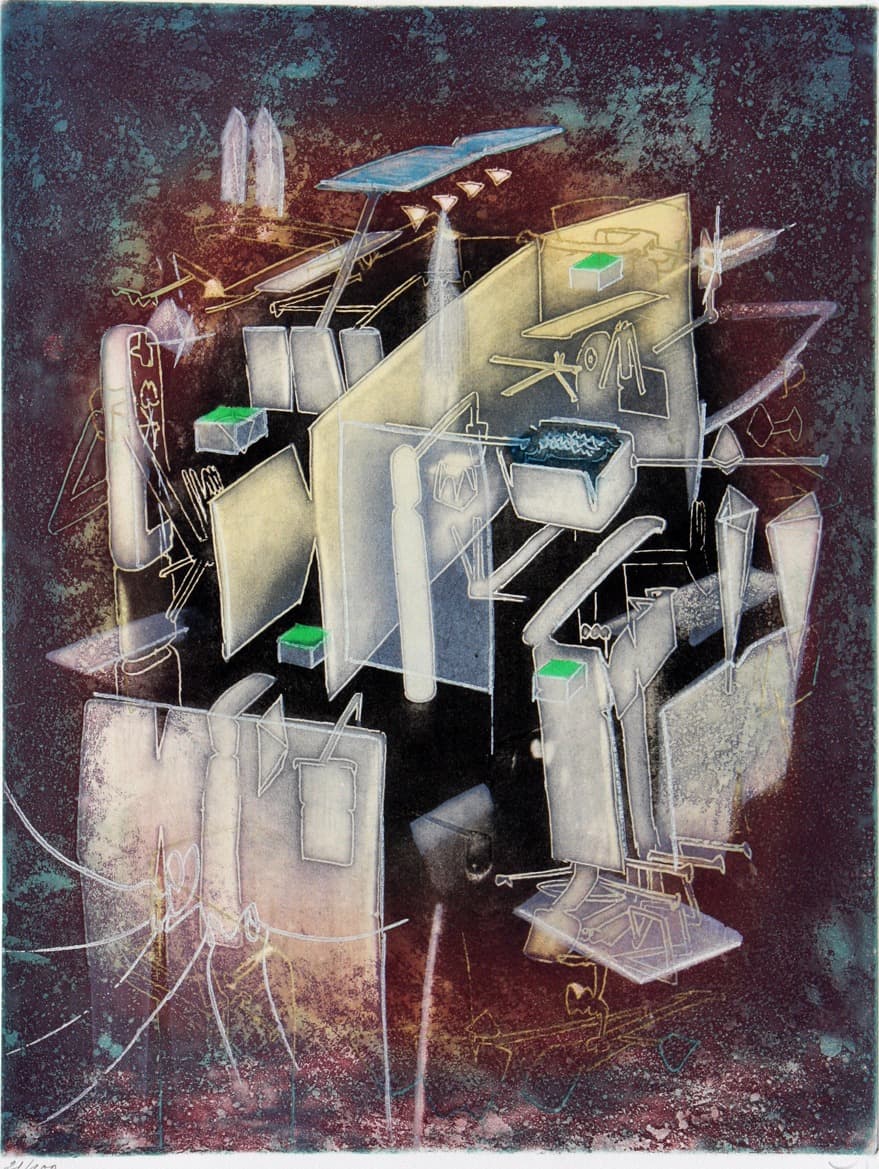
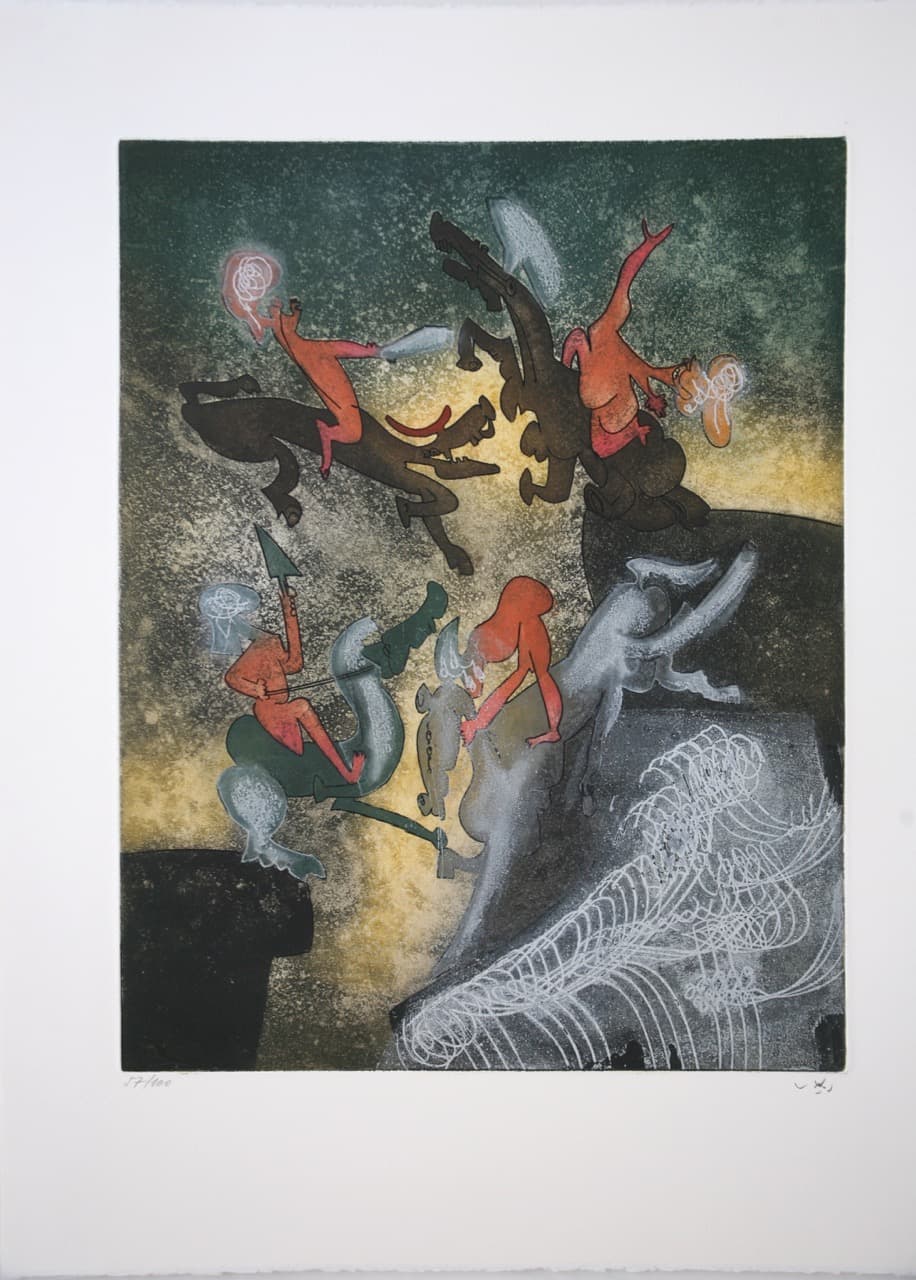
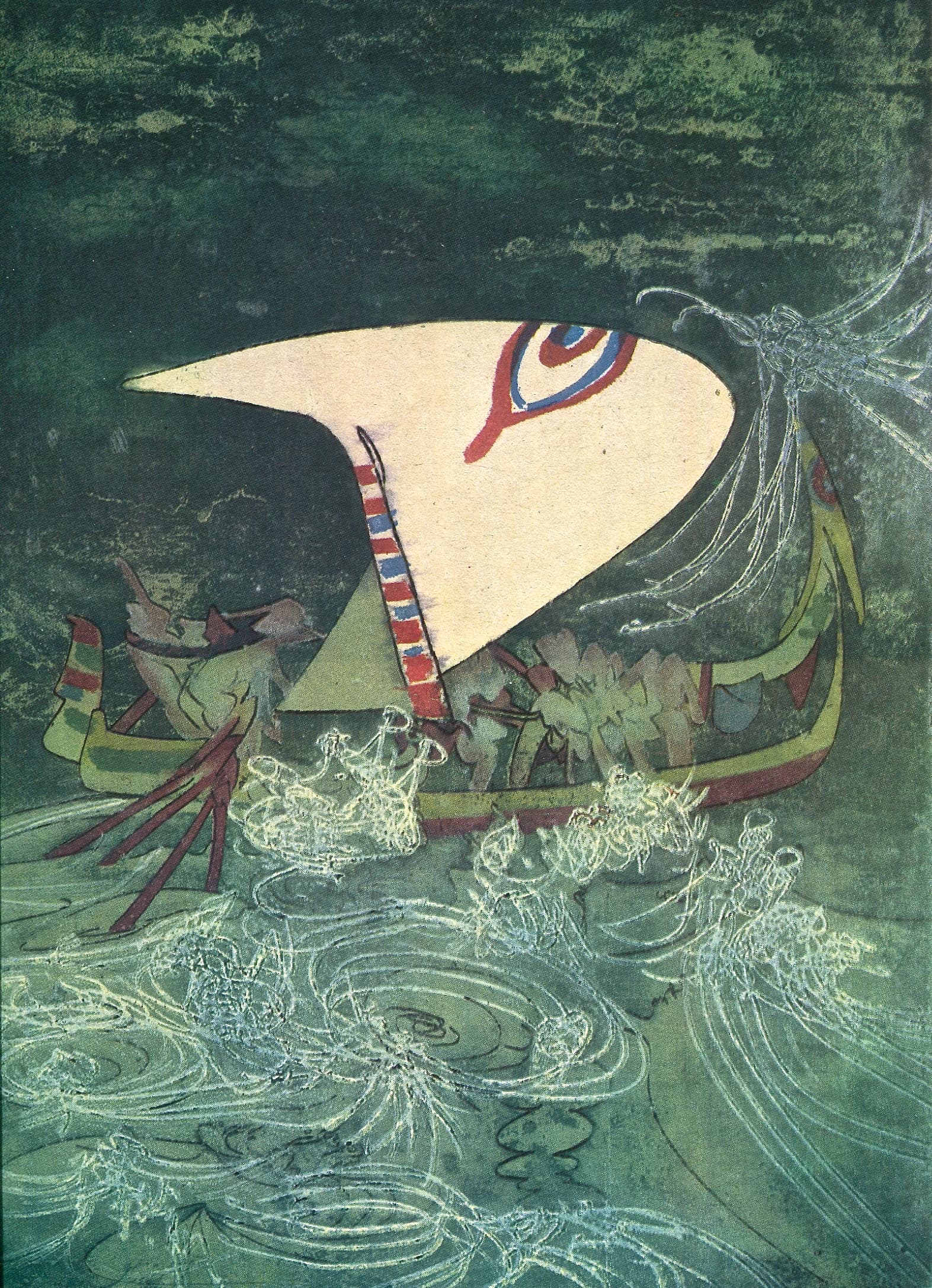
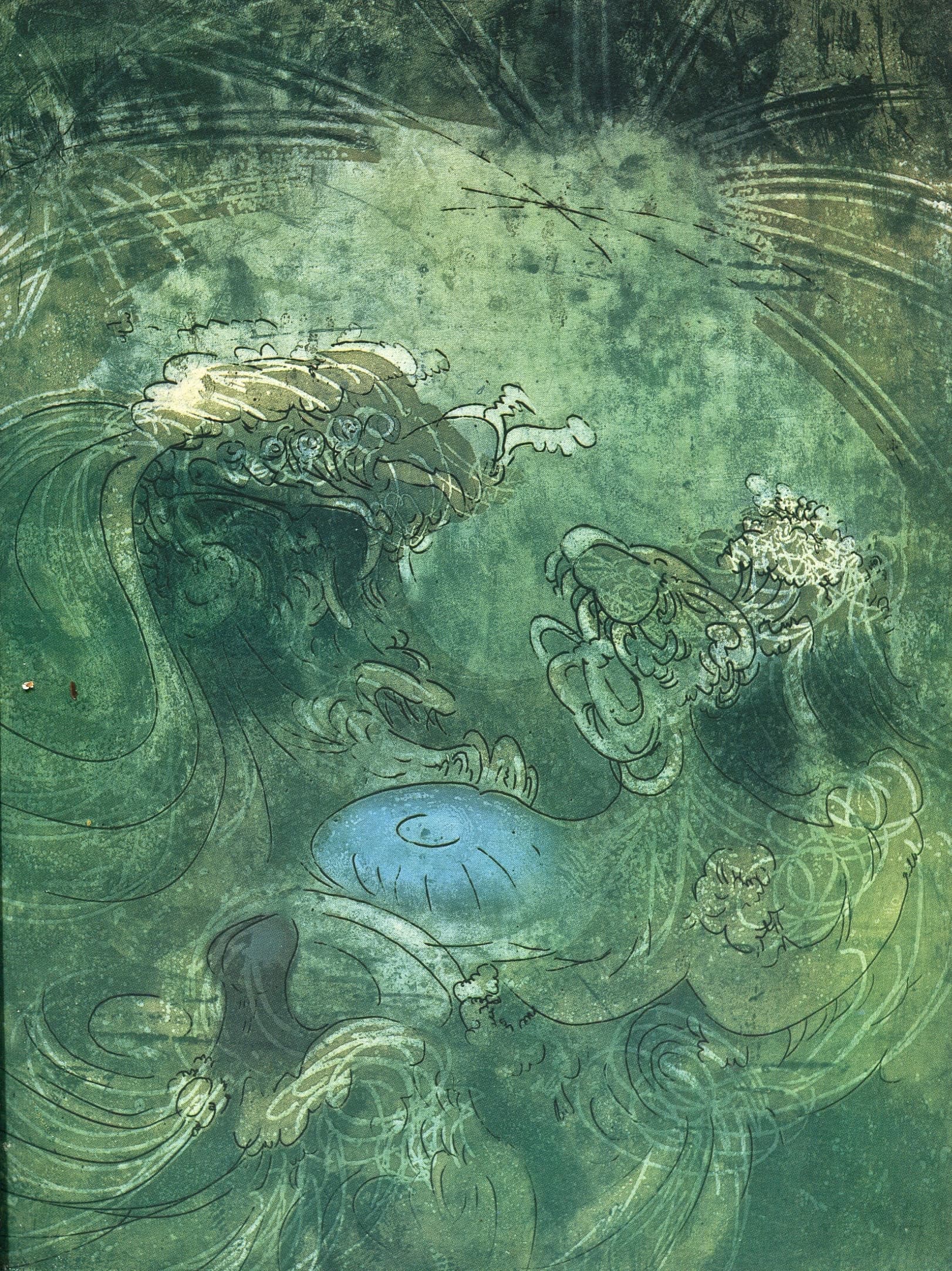
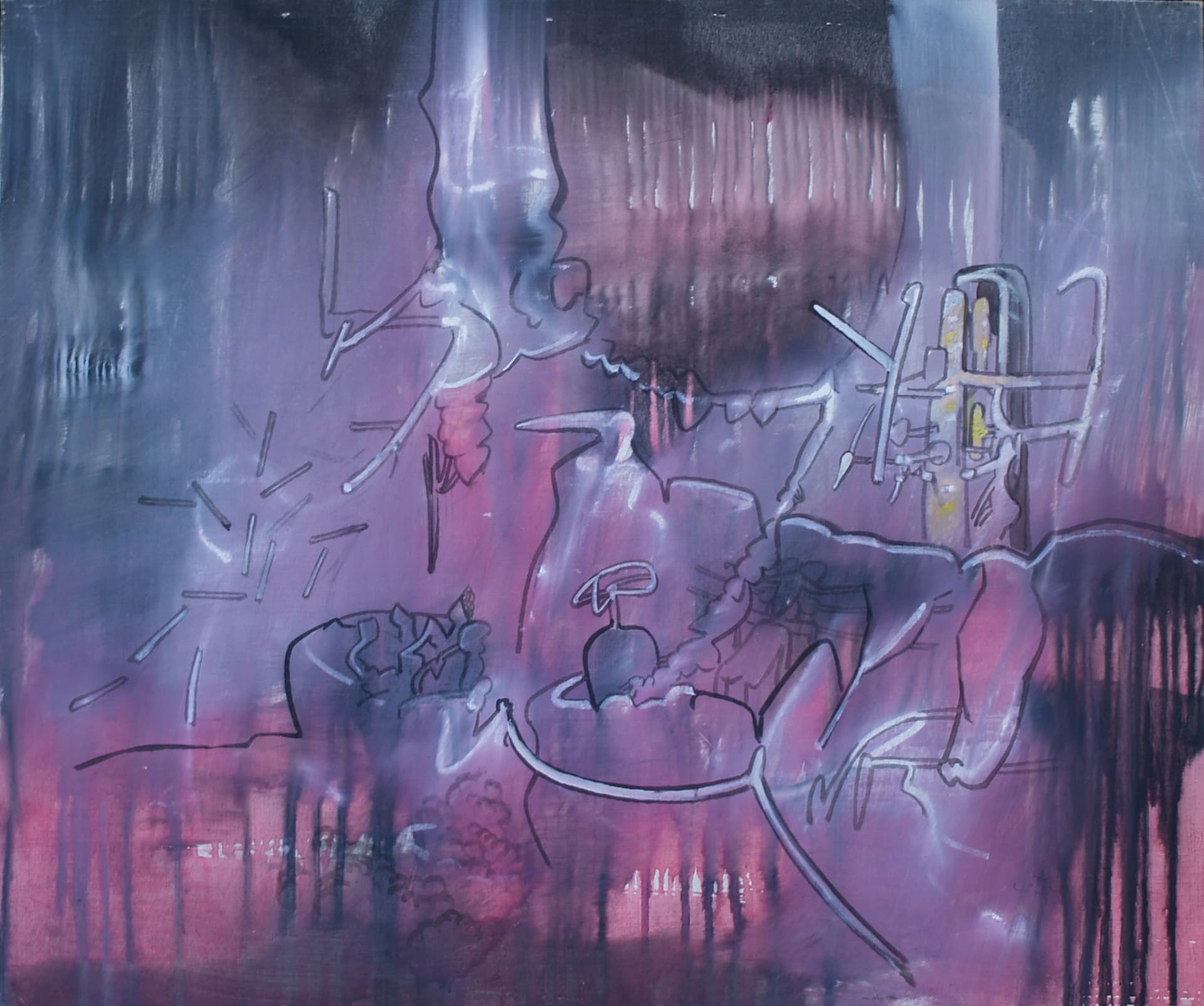
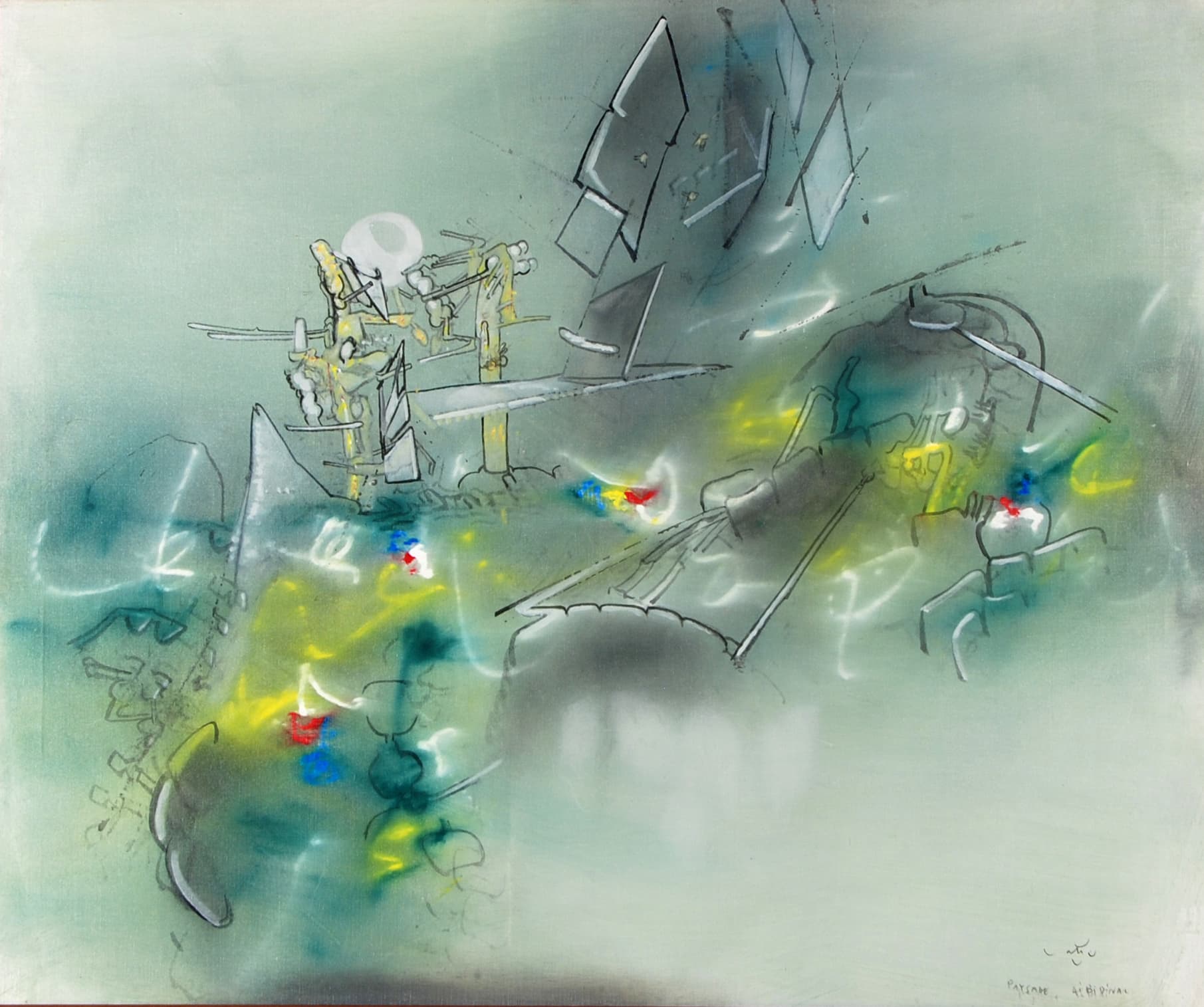
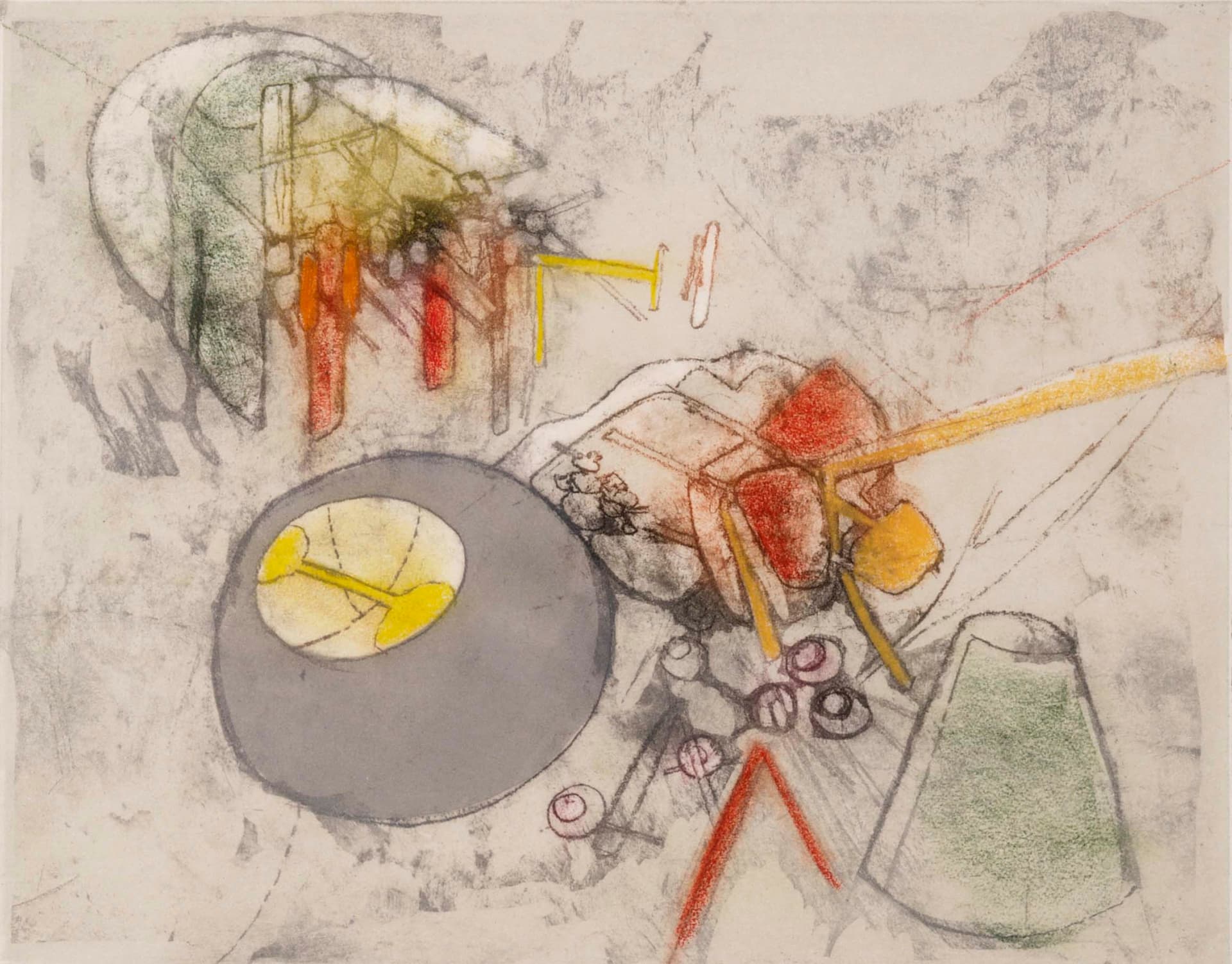
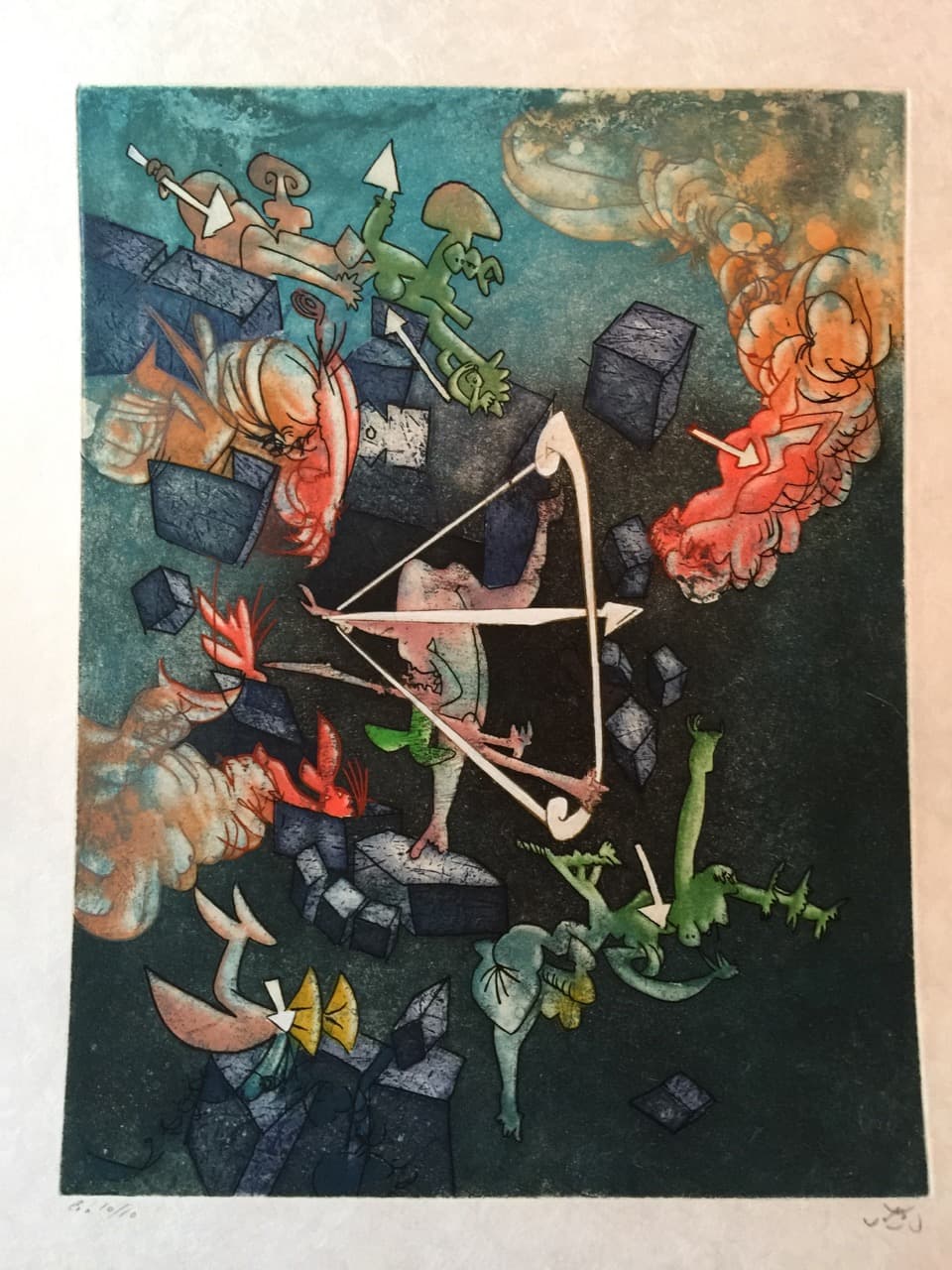
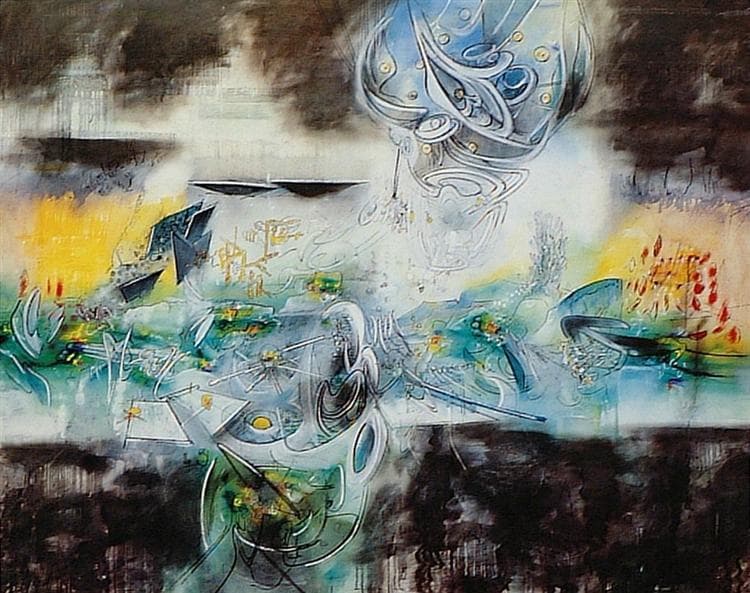
A defining characteristic of Matta’s work is his exploration of space. His paintings often present vast, undefined environments where forms appear to float, collide, and transform. These spaces are not tied to physical landscapes but instead evoke mental or emotional dimensions. Through fluid lines, layered color, and dynamic composition, he created images that feel both expansive and immersive.
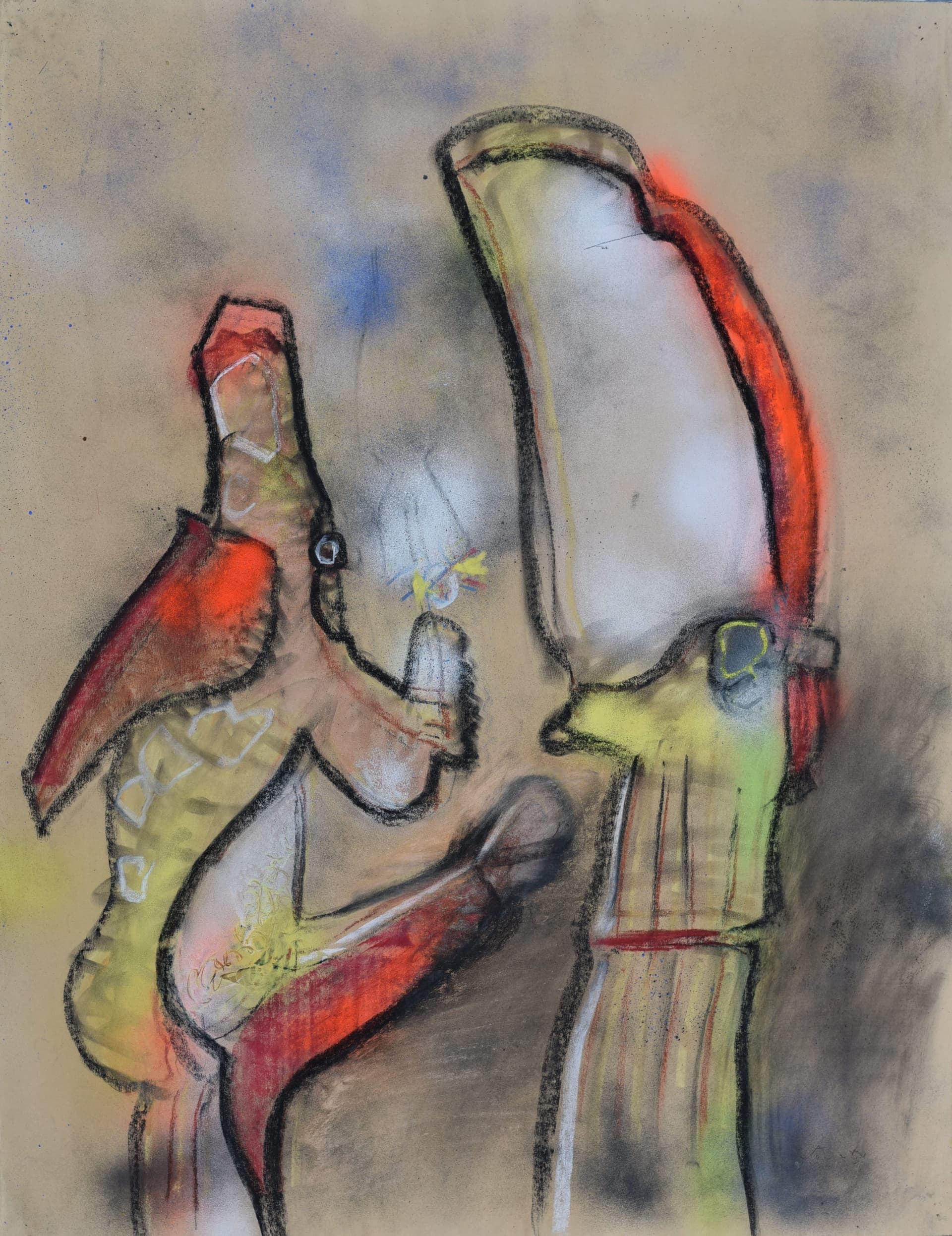
Color plays a central role in his paintings. Matta often used luminous and contrasting tones to generate movement and depth, allowing forms to emerge and dissolve within the composition. His surfaces frequently reveal a sense of energy, as if the image is in a constant state of transformation. This approach gives his work a dynamic quality that reflects the influence of both surrealism and abstraction.
During the 1940s, Matta spent time in the United States, where his work had a significant impact on the development of abstract expressionism. His ideas about space, automatism, and the subconscious influenced a generation of American artists, contributing to a broader shift in modern art. Despite these connections, he maintained a distinct identity, continuing to explore his own themes and methods.
Throughout his career, Matta’s work engaged with political and social concerns, particularly in relation to Latin America. While his imagery remained abstract and symbolic, it often reflected broader ideas about conflict, power, and human experience. This added dimension to his work connects his surrealist practice with historical and cultural contexts.
Matta exhibited extensively around the world and gained recognition as a major figure in modern art. His paintings are included in important museum collections, and his influence extends across multiple movements and generations.
Roberto Matta is remembered as an artist who expanded the language of surrealism through his exploration of psychological space and dynamic form. His work bridges continents and artistic traditions, creating a body of work that remains both innovative and deeply influential in the history of twentieth century art.
Represented By
Artworks by Roberto Matta