Raquel Paiewonsky
Dominican Republic
Raquel Paiewonsky is a Dominican artist born in 1969 in Puerto Plata, Dominican Republic. She is recognized as an important contemporary artist whose work reflects a strong interest in the body, identity, memory, and the relationship between personal experience and social meaning. Her career developed through study and practice in both the Dominican Republic and New York, giving her work a perspective shaped by Caribbean culture, international contemporary art, and a sustained investigation of the human figure.
Paiewonsky graduated in 1991 from the Altos de Chavón School of Design in La Romana, one of the most respected art and design institutions in the Dominican Republic. Altos de Chavón has played an important role in the formation of Dominican and Caribbean artists, offering a rigorous creative environment connected to both local traditions and international art education. Her training there gave her a strong foundation in visual language, composition, and conceptual development.
In 1992, shortly after completing her studies, Paiewonsky held her first solo exhibition at the Art Nouveau Gallery. This early exhibition marked an important step in her professional life, showing that she had already begun to define her own artistic voice. Presenting a solo exhibition so soon after graduation suggested both confidence and recognition, placing her within the Dominican art scene at the beginning of a career that would continue to expand in scope and ambition.
Following this early success, Paiewonsky traveled to New York City, where she lived and worked for a decade. Her years in New York were significant for her development as an artist. The city exposed her to a broad range of contemporary practices, including installation, photography, mixed media, performance, and conceptual art. While there, she studied at Parsons The New School for Design, further strengthening her technical and intellectual formation. This period allowed her to engage with global contemporary art while continuing to carry the cultural memory and visual sensibility of the Dominican Republic.
After returning to the Dominican Republic, Paiewonsky settled in Santo Domingo. This return was important because it placed her international experience back into direct conversation with Dominican life, history, and identity. Her work reflects this movement between places. Rather than belonging only to one context, her art draws from the tension between local and global experience, private memory and public meaning, the body as image and the body as symbol.
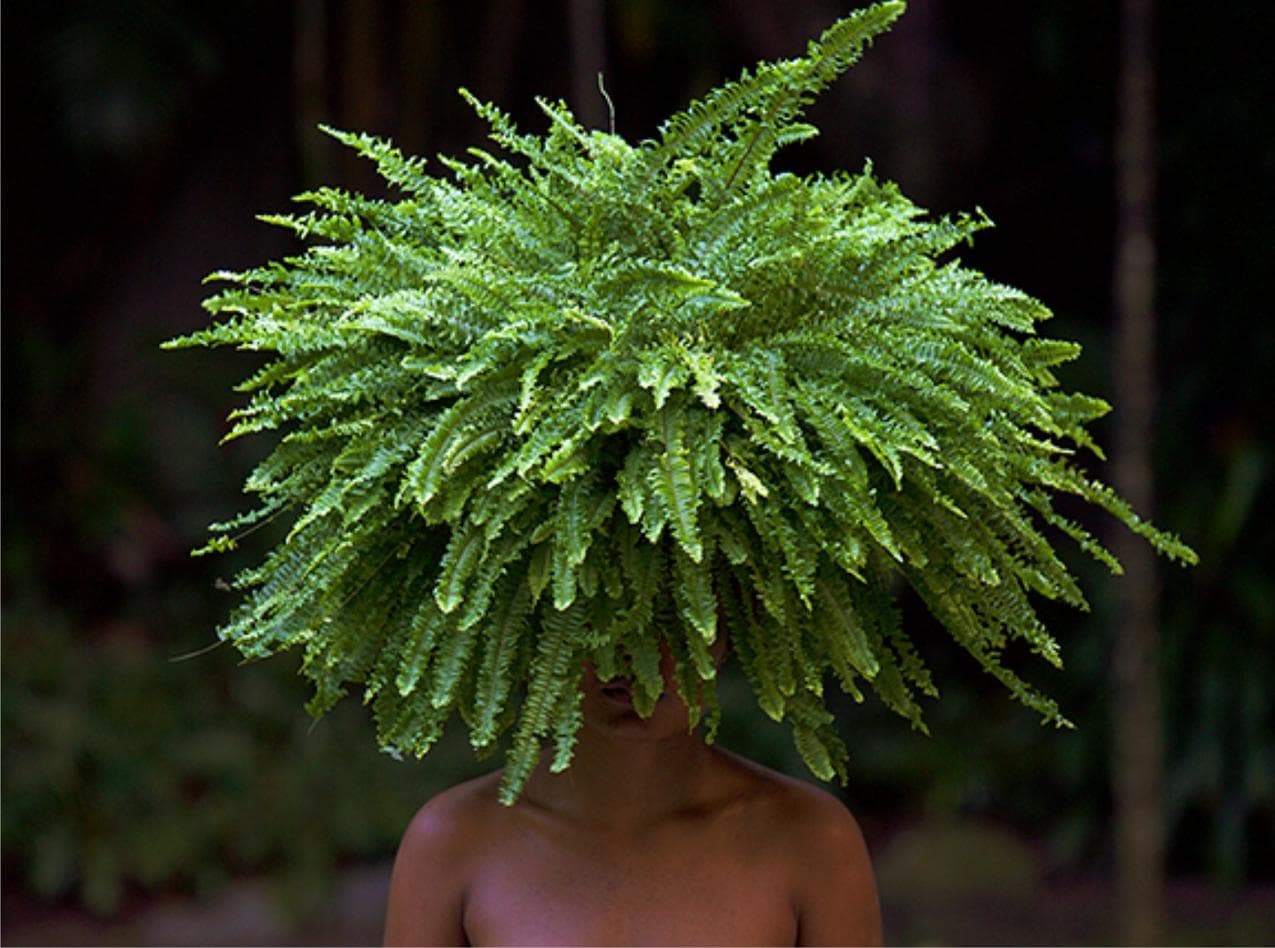
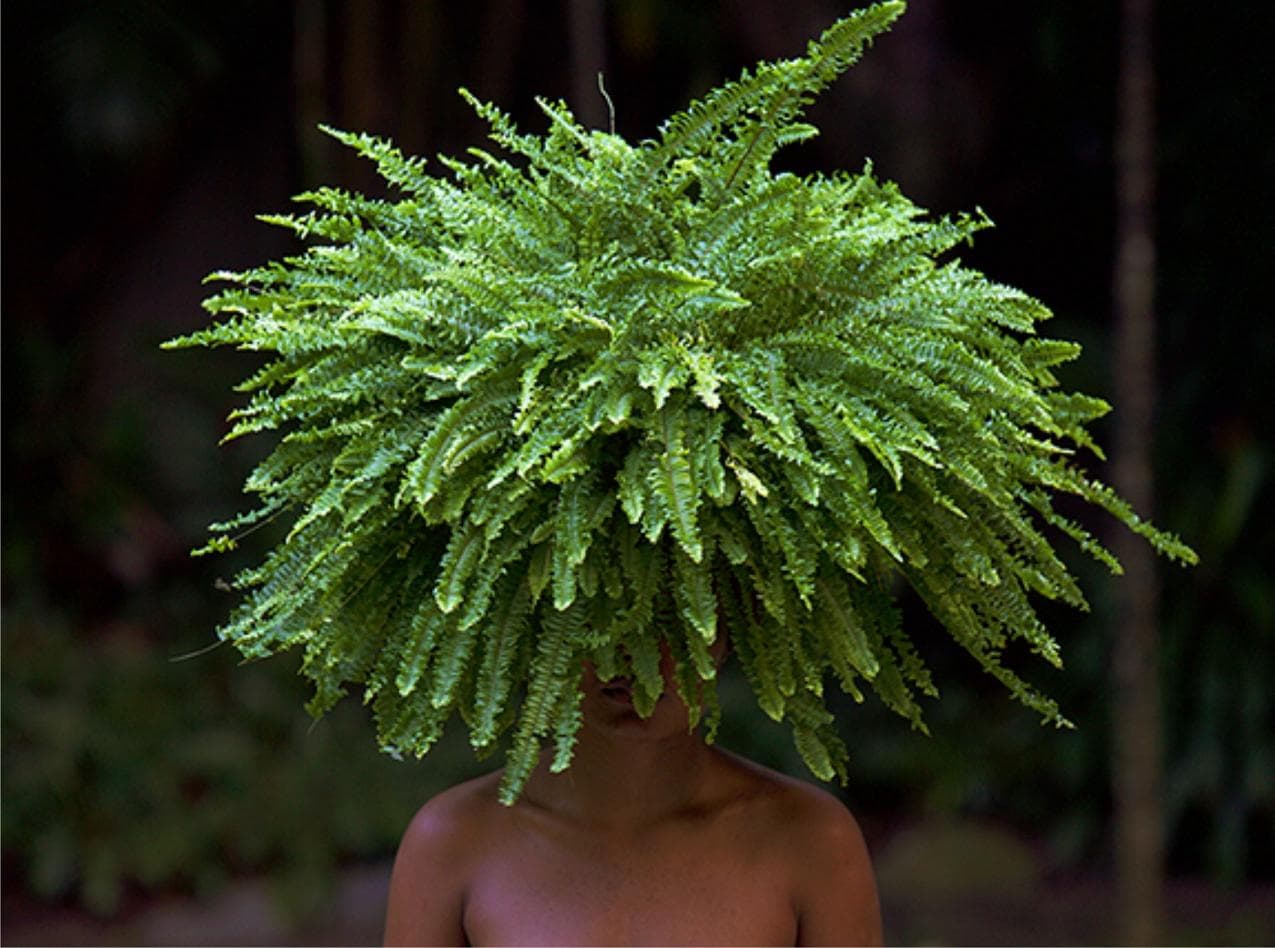
The human body has often been central to Paiewonsky’s artistic language. In contemporary art, the body can serve as a site of vulnerability, power, gender, transformation, and cultural identity. Paiewonsky’s work engages these concerns with sensitivity and complexity. Her practice often suggests that the body is not merely a physical form, but a place where emotional, social, and psychological experiences are stored and expressed.
Her Dominican background also gives her work a particular cultural resonance. The Caribbean has a history shaped by migration, colonial memory, race, gender, landscape, and layered identities. Paiewonsky’s art can be understood within this broader framework, while also remaining deeply personal and contemporary. She does not simply illustrate Dominican culture. Instead, she uses form, material, and image to examine how identity is constructed, remembered, and transformed.
Raquel Paiewonsky stands as a significant figure in contemporary Dominican art. Her career reflects careful artistic formation, early professional recognition, international study, and a return to Santo Domingo that strengthened her connection to place. Through her exploration of the body, identity, and experience, she has developed a body of work that is thoughtful, visually compelling, and firmly rooted in the evolving language of contemporary Caribbean art.
Represented By
Artworks by Raquel Paiewonsky