Pablo Picasso
Spain, b. 1881, d. 1973
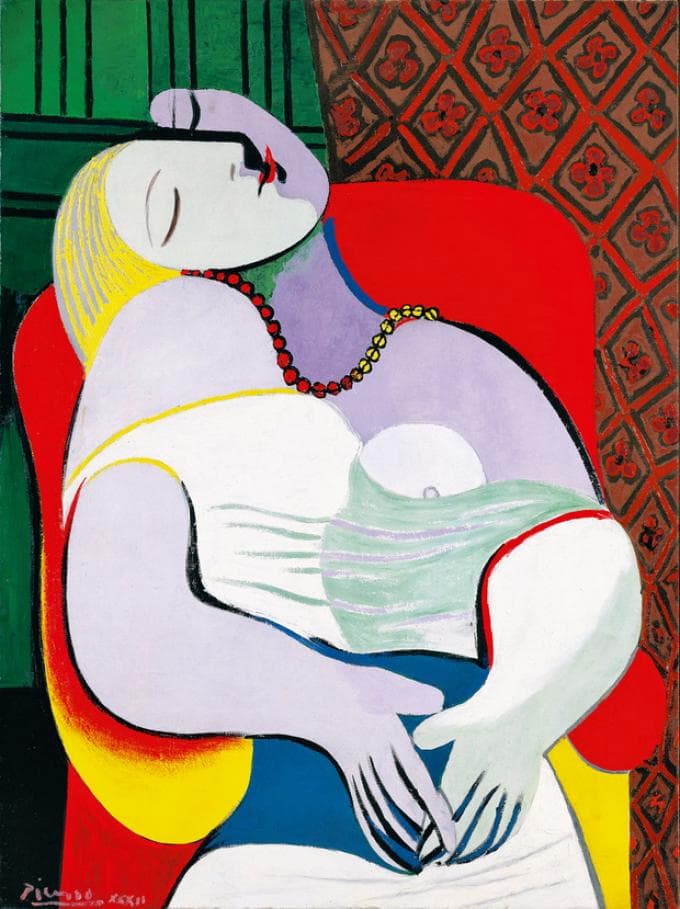
Pablo Picasso (1881 to 1973) was a Spanish painter, sculptor, printmaker, ceramicist, and stage designer, widely regarded as one of the most influential artists of the twentieth century. Born in Málaga, Spain, he showed extraordinary artistic talent from an early age and received formal training from his father before continuing his studies in Barcelona and Madrid.
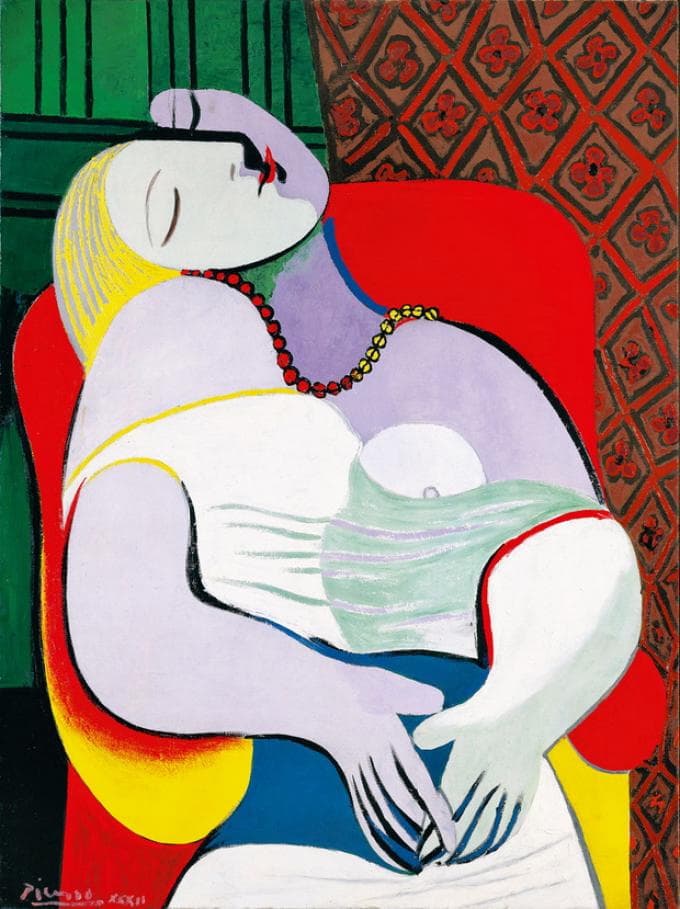
Picasso’s long career was marked by constant invention and transformation. His early work included the melancholic Blue Period and the warmer, more lyrical Rose Period. In the early twentieth century, he helped pioneer Cubism alongside Georges Braque, radically reshaping modern art by breaking forms into geometric planes and presenting multiple viewpoints at once. One of his most important works, Les Demoiselles d’Avignon (1907), is often seen as a turning point in the development of modern painting.
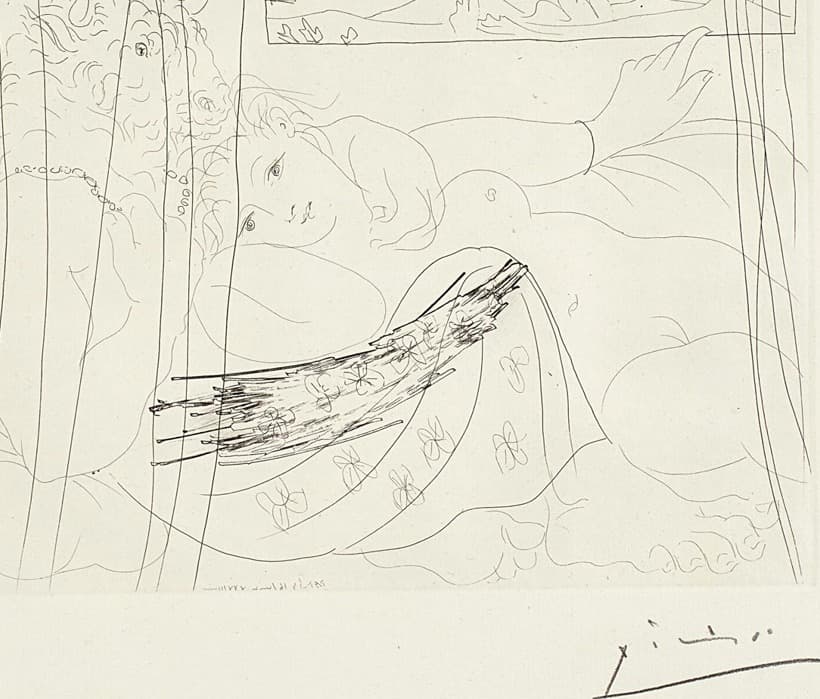
Throughout his life, Picasso worked across an extraordinary range of media and styles. In addition to painting, he produced major works in sculpture, printmaking, ceramics, and drawing. His art often reflected both personal experience and the turmoil of his time. His famous painting Guernica (1937), created in response to the bombing of the Basque town during the Spanish Civil War, remains one of the most powerful anti war images in art history.
Picasso spent much of his adult life in France, where he became a central figure in the modern art world. His restless imagination, technical mastery, and willingness to challenge convention made him one of the defining artists of modernism. Today, his work continues to shape the history of art and remains among the most recognized and studied in the world.
Represented By
Artworks by Pablo Picasso