Diego Rivera
Mexico, b. 1886, d. 1957
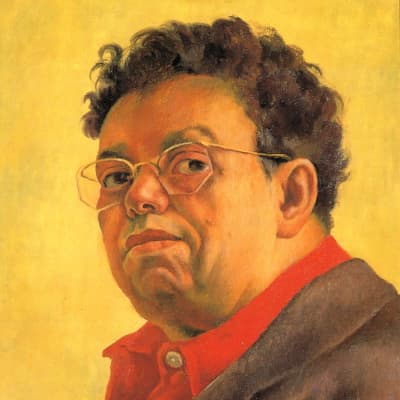
Diego Rivera was a Mexican painter born on December 8, 1886, and died on November 24, 1957. He is one of the most important figures in twentieth century art and a central force in establishing the Mexican mural movement, both nationally and internationally. His large scale frescoes transformed public spaces into powerful visual narratives, combining artistic innovation with social and political themes.
Rivera began his artistic training in Mexico before continuing his studies in Europe, where he spent several years absorbing a wide range of influences, including academic painting, post Impressionism, and Cubism. During his time abroad, he engaged with leading artists and movements of the early twentieth century, developing a strong technical foundation and a broad understanding of modern art. This international experience would later inform his return to Mexico, where he sought to create a distinctly national artistic language.
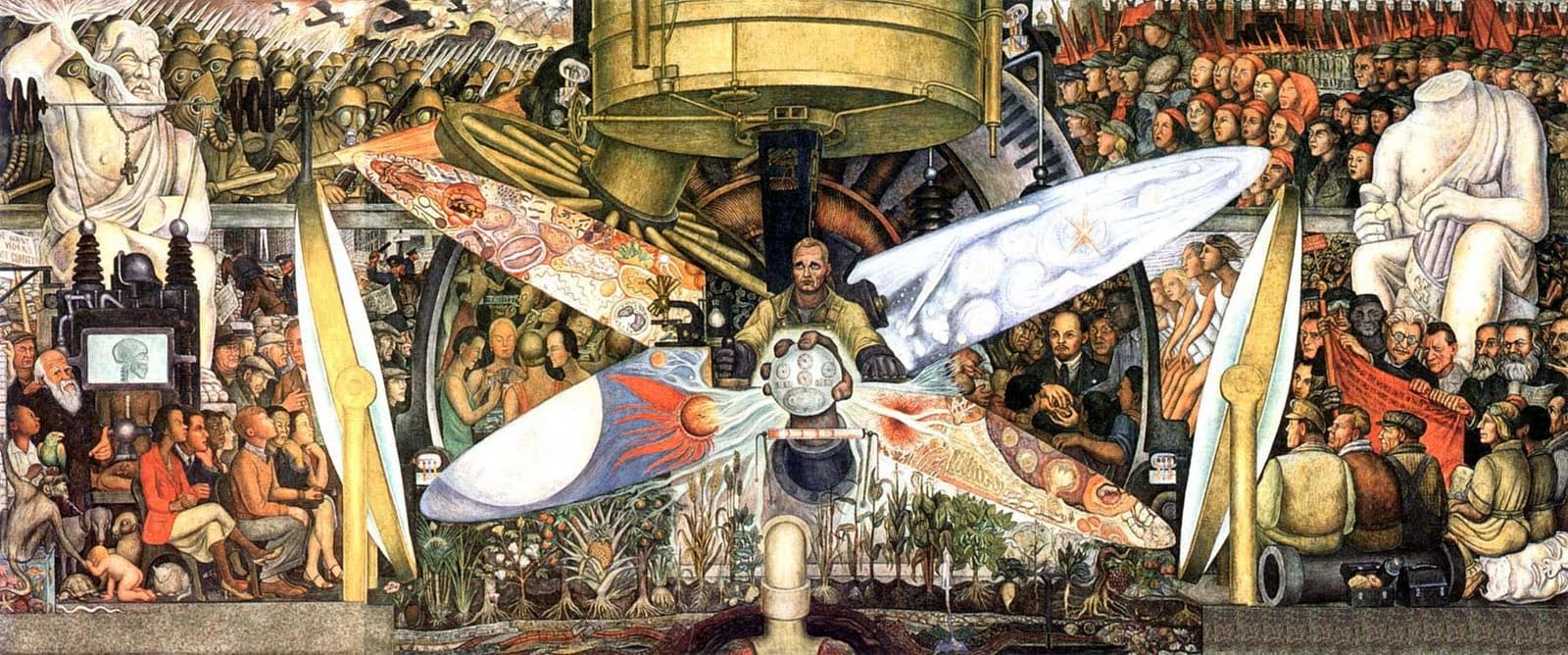
After the Mexican Revolution, Rivera became a leading figure in a movement that aimed to bring art into public life. Through mural painting, he and his contemporaries sought to make art accessible while addressing the history, struggles, and identity of the Mexican people. Rivera’s frescoes often depict scenes of labor, industry, indigenous heritage, and social transformation, presented on a monumental scale that reinforces their public and educational purpose.
A defining feature of Rivera’s work is its clarity and structure. His compositions are carefully organized, allowing complex narratives to unfold across large surfaces. Figures are rendered with solidity and presence, often arranged in dynamic groupings that guide the viewer’s attention. His use of color is bold yet controlled, supporting both the readability and the impact of his imagery.
Rivera’s murals are notable not only for their scale but also for their integration with architecture. He treated walls as part of the composition, designing his images to interact with the space in which they were placed. This approach reinforced the idea of art as a public experience, embedded within everyday environments rather than confined to galleries.
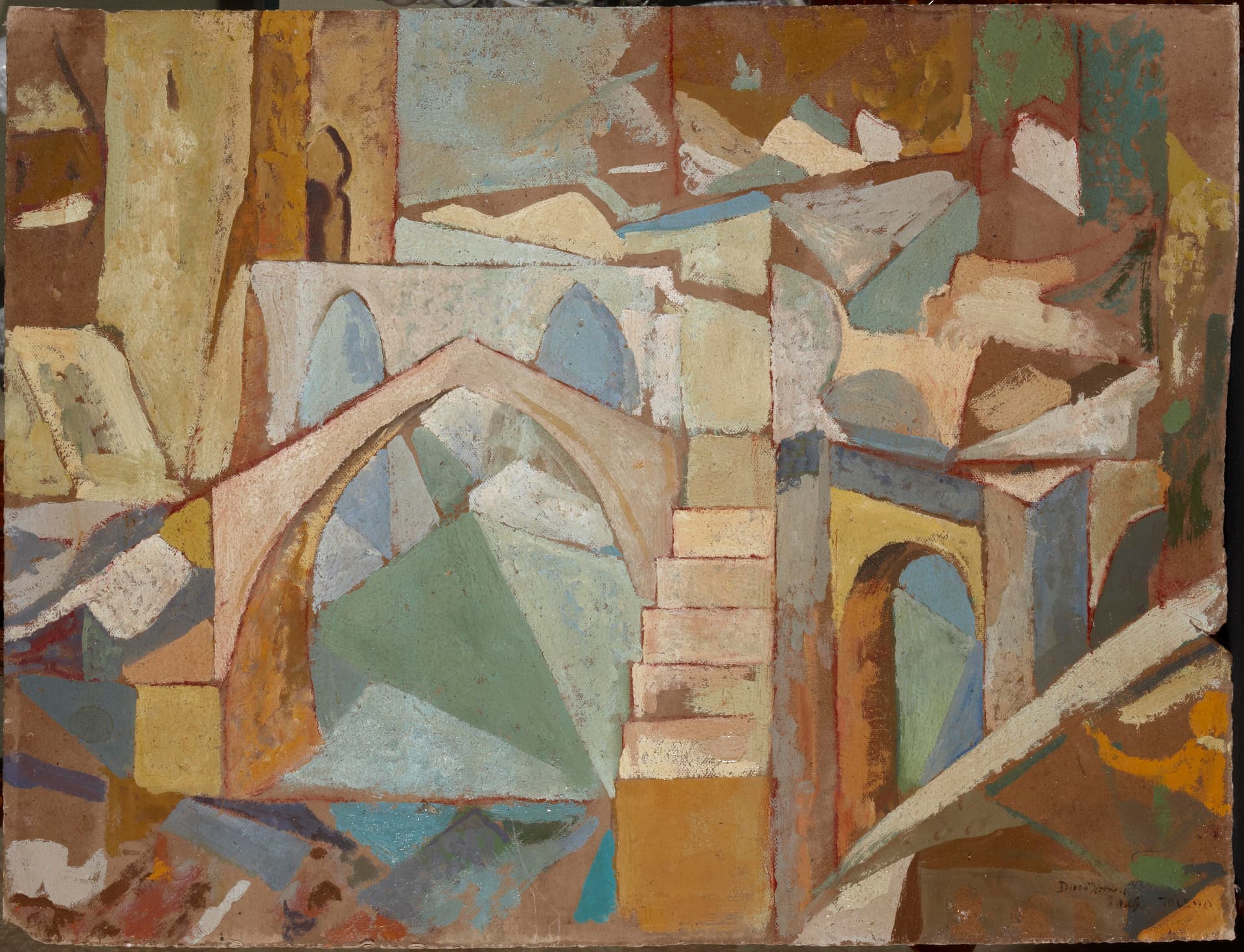
In addition to mural painting, Rivera produced easel paintings, drawings, and illustrations. These works often reflect similar themes, though on a smaller scale, and demonstrate his versatility as an artist. Despite working across different formats, his focus on structure, narrative, and social meaning remained consistent. Throughout his career, Rivera exhibited internationally and received commissions for major public works, including projects in Mexico and the United States. His work played a key role in shaping the perception of Mexican art on a global stage, influencing generations of artists and contributing to the development of socially engaged art.
Diego Rivera is remembered as a pioneering artist who redefined the role of painting in public life. Through his murals, he created a lasting visual record of history, culture, and social change, establishing a legacy that continues to resonate within both Mexican and international art.
Represented By
Artworks by Diego Rivera
Editorial about Diego Rivera
Diego Rivera and Communism: A Love-Hate Story
Diego Rivera painted revolution onto museum and government walls for decades, yet the Communist Party expelled him, readmitted him, and never quite trusted him. Here is why.
Juan Daniel · September 6, 2026
Read article