Cecilia Paredes
Peru, b. 1950
Cecilia Paredes is a Peruvian born contemporary artist known for creating haunting, visually sophisticated work that explores identity, nature, transformation, migration, and the female body. Born in Lima, Peru, in 1950, she has built an international career through photography, performance, installation, sculpture, and mixed media. She is especially recognized for her striking photographic self portraits in which her body appears to dissolve into elaborate floral, botanical, or patterned backgrounds. These works have made her one of the most distinctive Latin American artists working today.
Paredes studied at the Pontifical Catholic University of Peru and later continued her artistic training in Europe, including at the Cambridge Arts and Crafts School in England and the Scuola del Nudo of the Academy of Fine Arts in Rome. This broad education helped shape her multidisciplinary approach. Rather than confining herself to one medium, she developed a practice that moves freely between image making, body based performance, handmade materials, and immersive environments. Her work reflects both technical discipline and a strong conceptual foundation.
Her life was also shaped by political upheaval. During the 1970s, while still young, she became involved in political activism in Peru. That period contributed to her exile, and she went on to live for years outside her home country, including extended periods in Mexico and Costa Rica. She later established ties to the United States as well, including time in Philadelphia. This experience of displacement became central to her work. Paredes does not treat migration simply as geography. In her art, it becomes emotional, psychological, and symbolic, tied to memory, loss, adaptation, and the tension between visibility and disappearance.
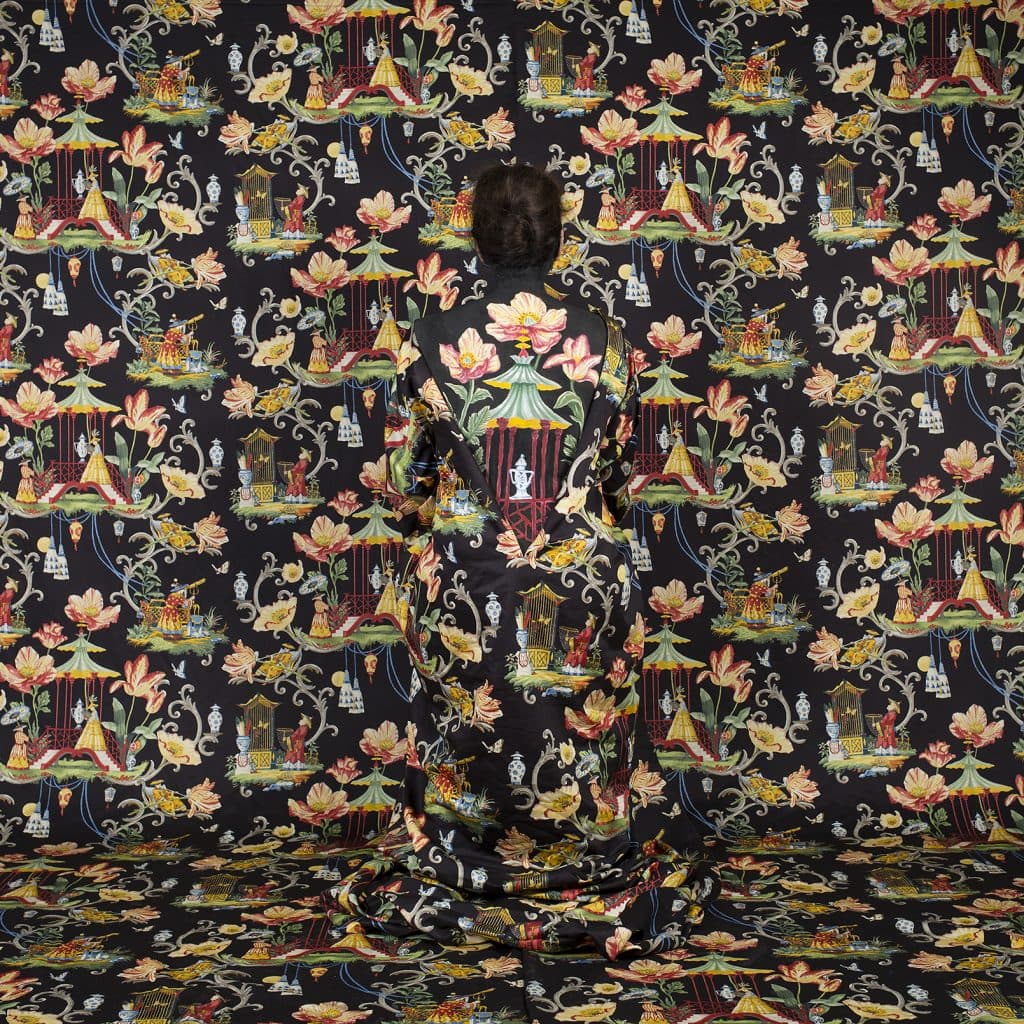
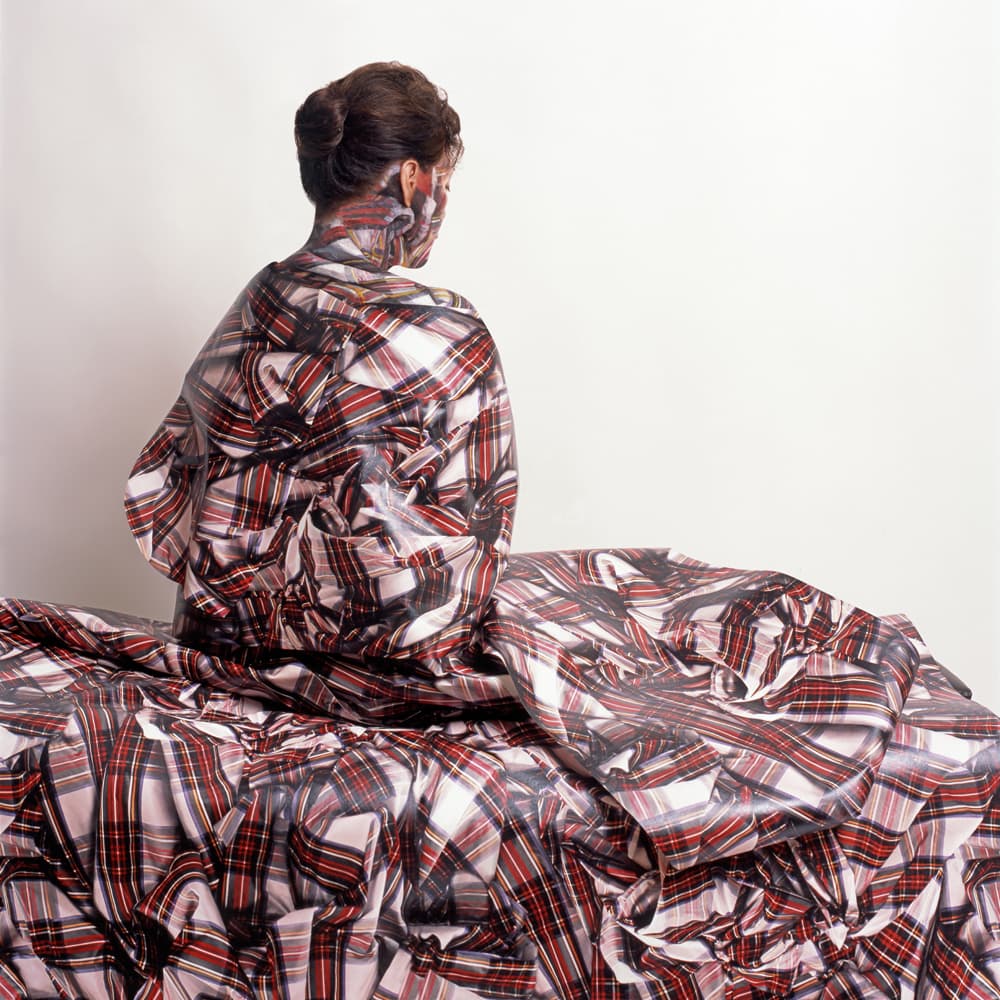
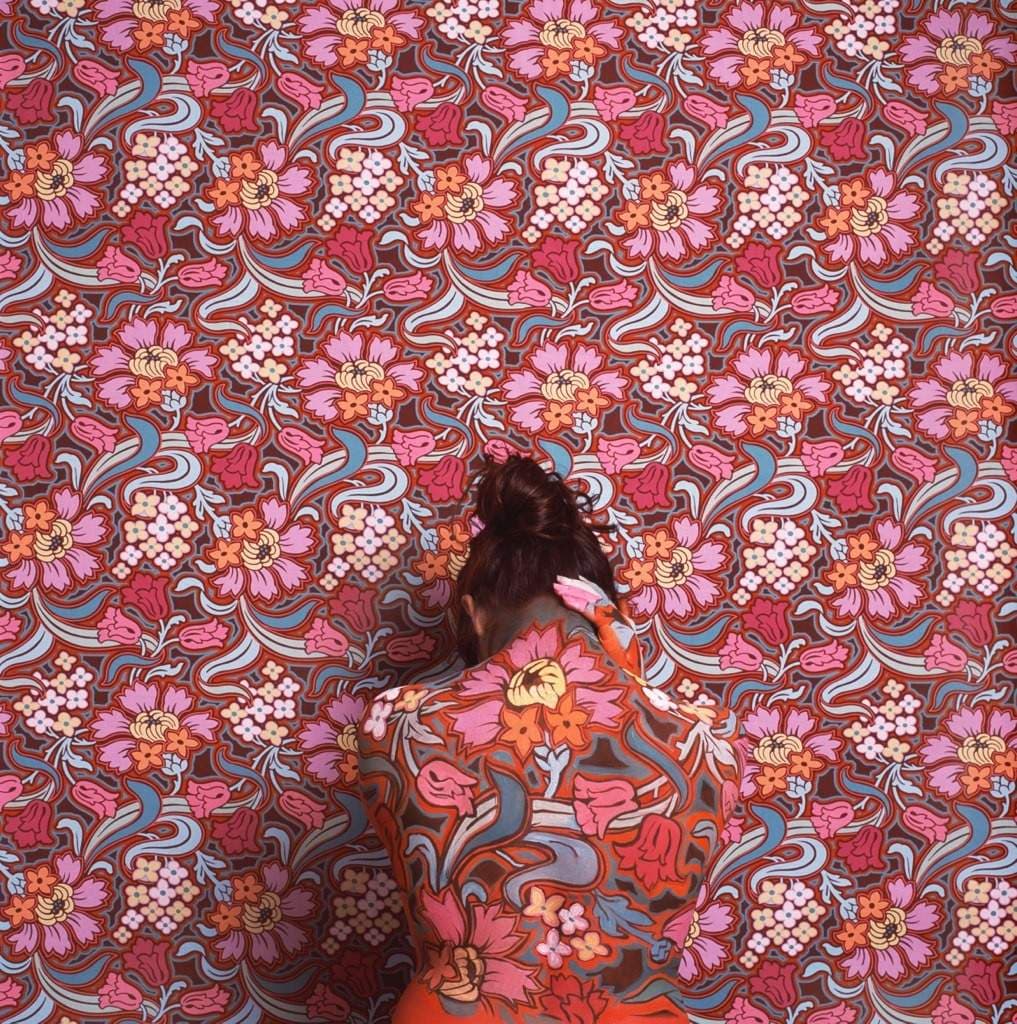
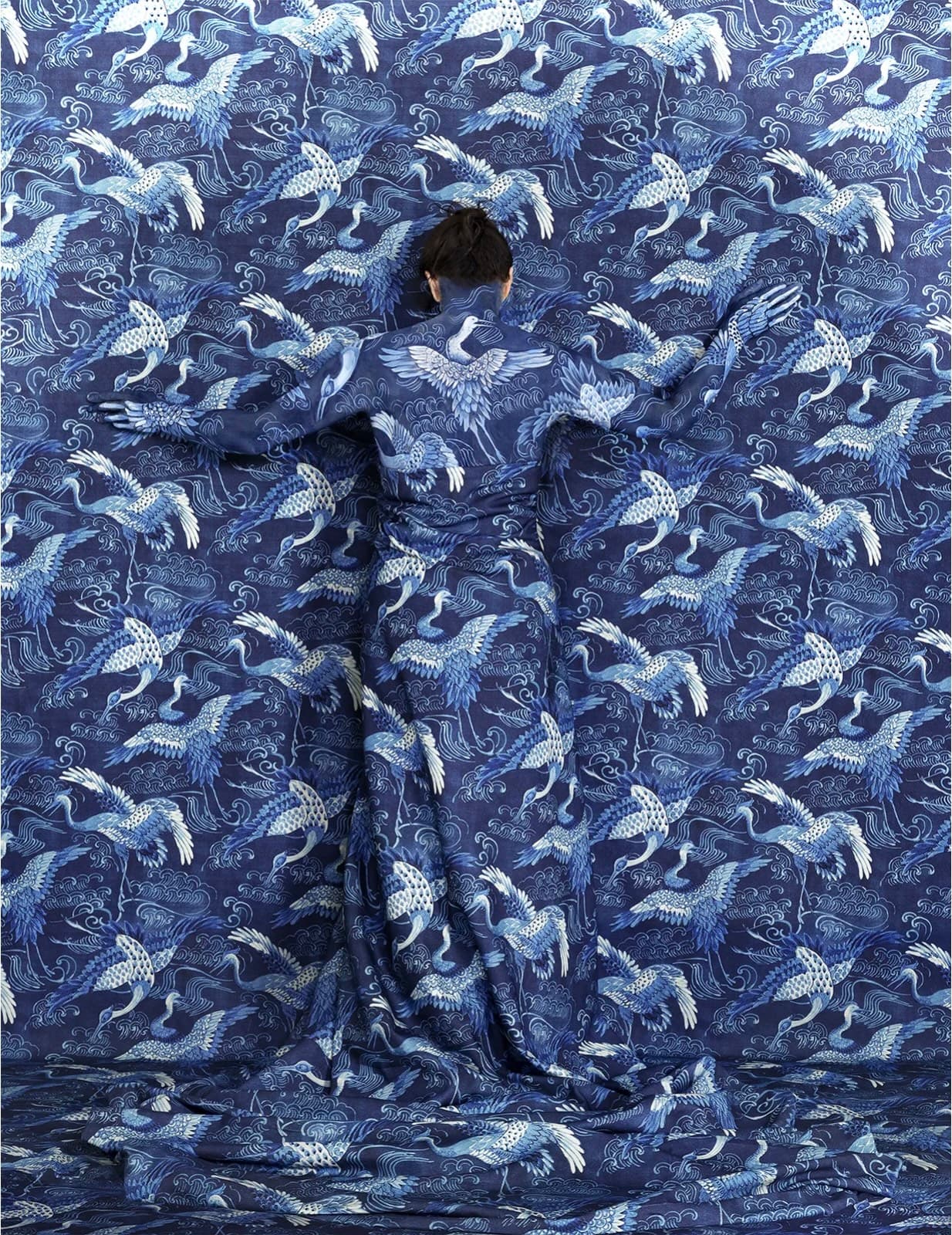
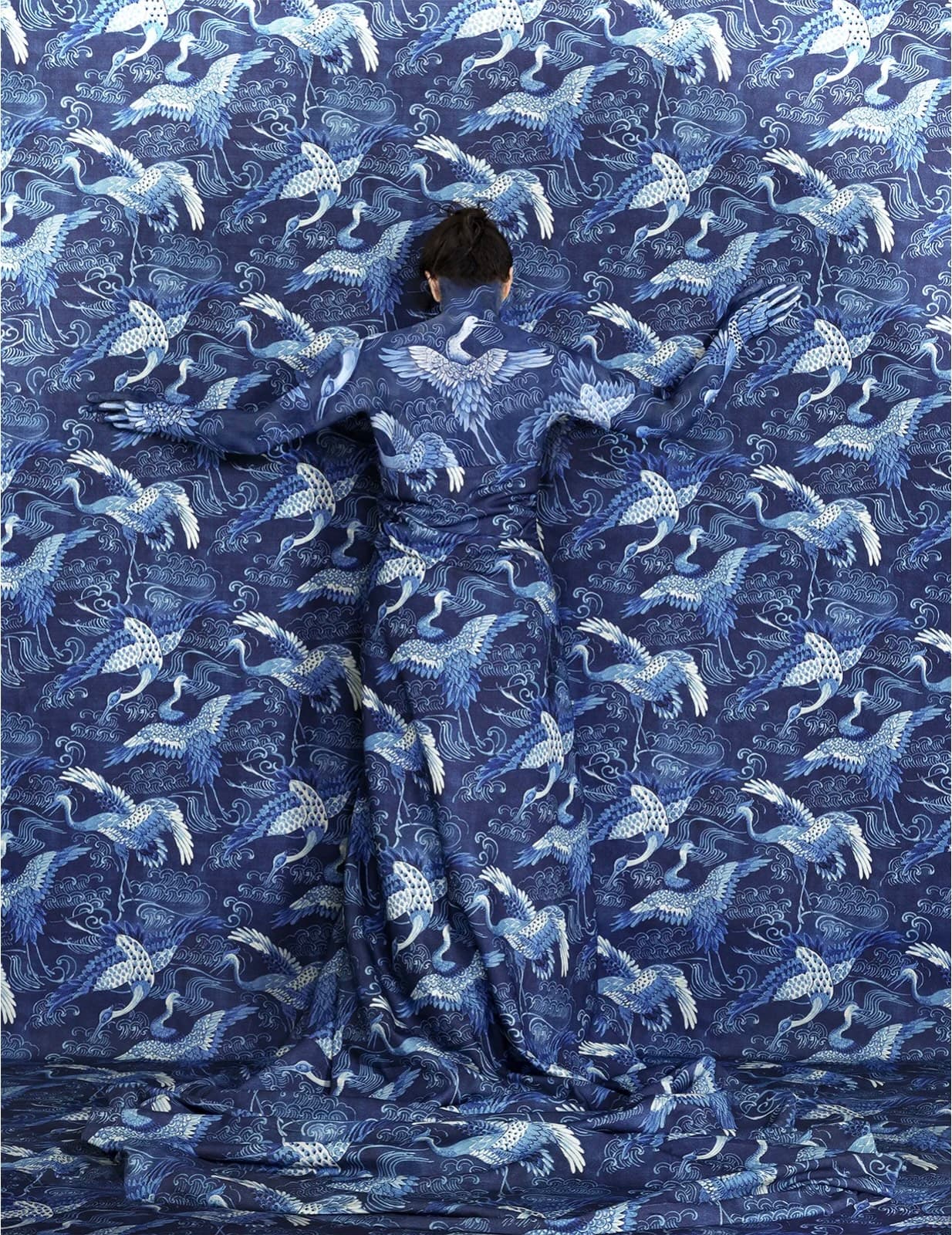
One of the most recognizable aspects of Paredes’s work is her use of her own body as both subject and surface. In her best known photo performances, she paints or adorns herself so that she blends into a patterned setting, often filled with flowers, vines, leaves, or decorative motifs. The effect is both beautiful and unsettling. At first glance, the figure can nearly vanish. On closer look, the body reappears, suspended between camouflage and revelation. These images are not gimmicks. They speak to the fragility of identity, the desire to belong, the pressure to disappear, and the deep connection between human beings and the natural world.
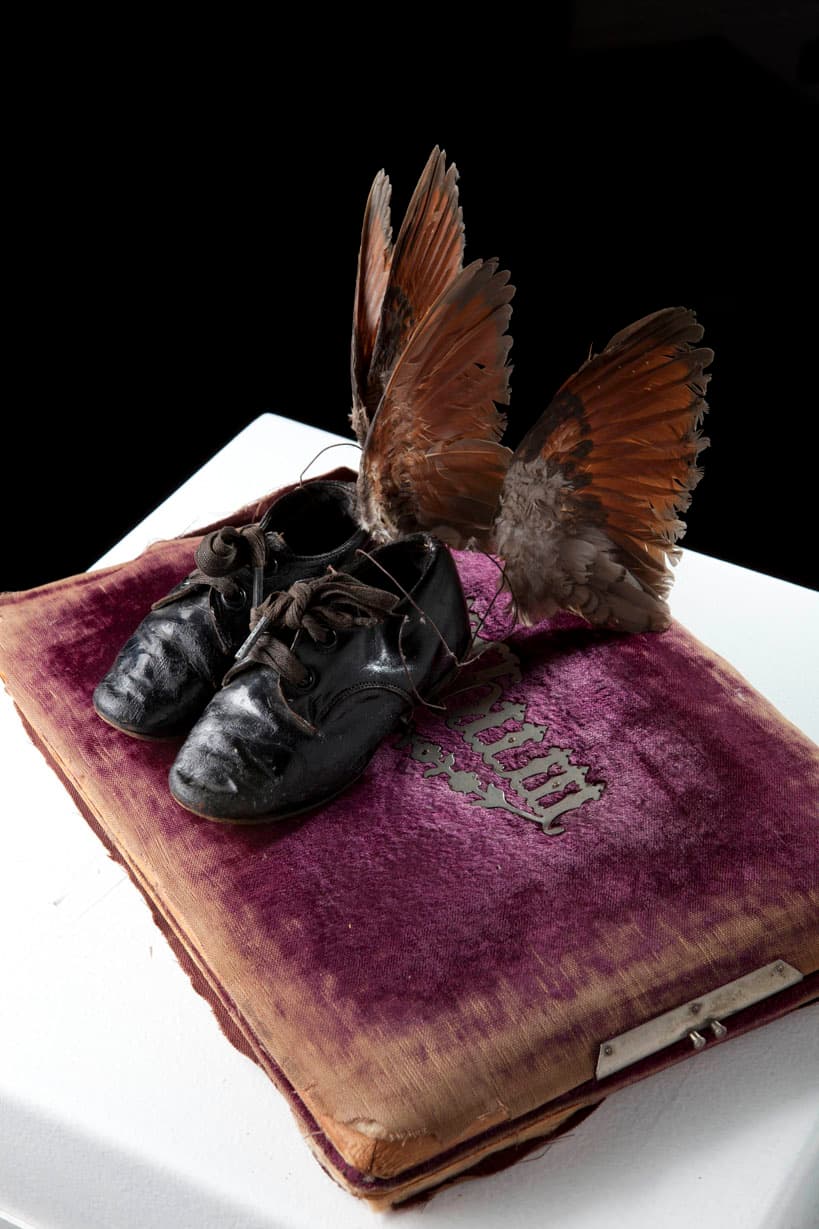
Nature plays a central role in her visual language. Birds, petals, branches, fur, and organic textures appear frequently in her work, often suggesting metamorphosis. Paredes has long been interested in how the body can merge with animal and plant life, becoming something hybrid rather than fixed. That interest gives her work a mythic quality. At the same time, many of her pieces carry feminist force. Her use of the female body is not passive or decorative. It becomes a site of ritual, resistance, memory, and transformation.
In addition to photography, Paredes has created installations and sculptural works using organic and recycled materials. These projects expand her concerns beyond portraiture and into space itself. Across media, she is interested in skin, concealment, vulnerability, and spiritual change. Her work often feels intimate, but it also carries wider cultural meanings tied to exile, colonial histories, femininity, and the environment.
Paredes has exhibited internationally and has participated in major exhibitions and biennials. Her work has been shown across Latin America, Europe, Russia, and the United States, helping establish her reputation as an important voice in contemporary art.
Today, Cecilia Paredes is regarded as a major Peruvian born artist whose work crosses borders in every sense. She combines personal history with visual elegance and conceptual depth. Her images are memorable because they do more than show a person. They show a body becoming memory, pattern, and presence all at once.
Represented By
Artworks by Cecilia Paredes