Carlos Mérida
Guatemala, b. 1891, d. 1984
Carlos Mérida was a major modern artist born in Guatemala City on December 2, 1891. He became one of the most important figures in Latin American modernism, known for blending Indigenous American influences with European modern art. Although he spent much of his career in Mexico, his Guatemalan background remained central to his identity and artistic vision. His work helped define a new kind of modern art in the Americas, one that did not simply copy Europe but drew strength from local history, color, rhythm, and design.
Mérida came from a family with both Spanish and Maya heritage, and that cultural mix shaped the way he saw the world. As a child, he first studied music and showed real promise, but hearing problems forced him to leave that path behind. He then turned fully toward visual art. Even so, music continued to influence his work throughout his life. Many of his paintings feel rhythmic and carefully arranged, almost like visual compositions built from color and shape.
He studied art in Guatemala before traveling to Europe in 1910. That trip changed everything. In Paris and other cultural centers, he encountered the modern art movements that were reshaping painting in the early twentieth century. He became familiar with Post Impressionism, Cubism, and the wider avant garde. Like many Latin American artists of his generation, he learned from Europe but did not want to remain under its shadow. Instead, his time abroad helped him better understand the value of his own cultural roots.
When Mérida returned to Guatemala, he began showing work that reflected newer artistic ideas, though local audiences were not always ready for it. In 1919 he moved to Mexico, where his career developed more fully. Mexico at that time was becoming the center of an artistic and cultural renaissance after the Revolution. Mérida entered a vibrant world of painters, writers, and intellectuals, and he became associated with major figures of Mexican modernism. Still, he remained distinct from the best known muralists. While artists like Diego Rivera often focused on political storytelling and social realism, Mérida moved toward something more poetic, formal, and abstract.
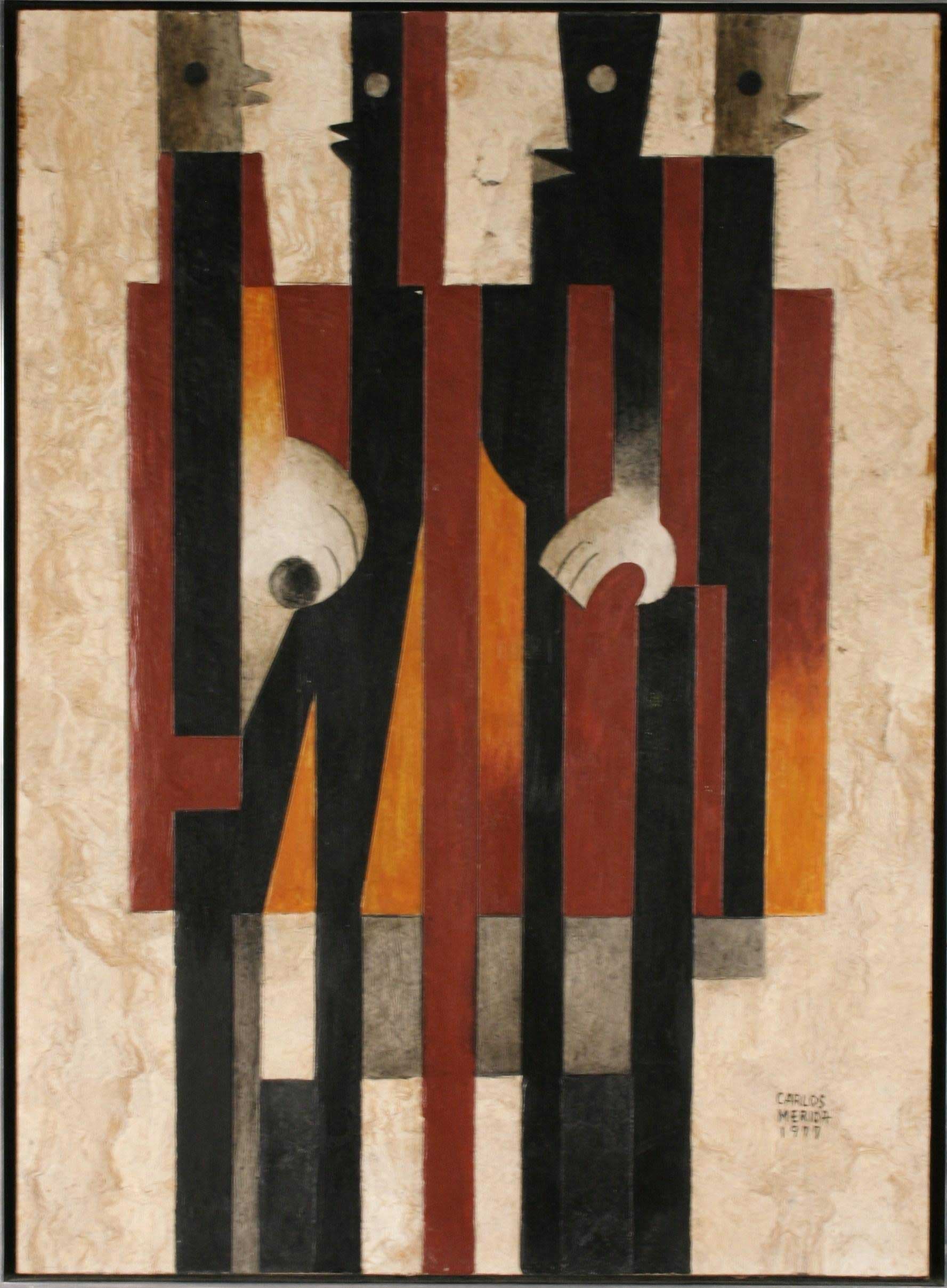
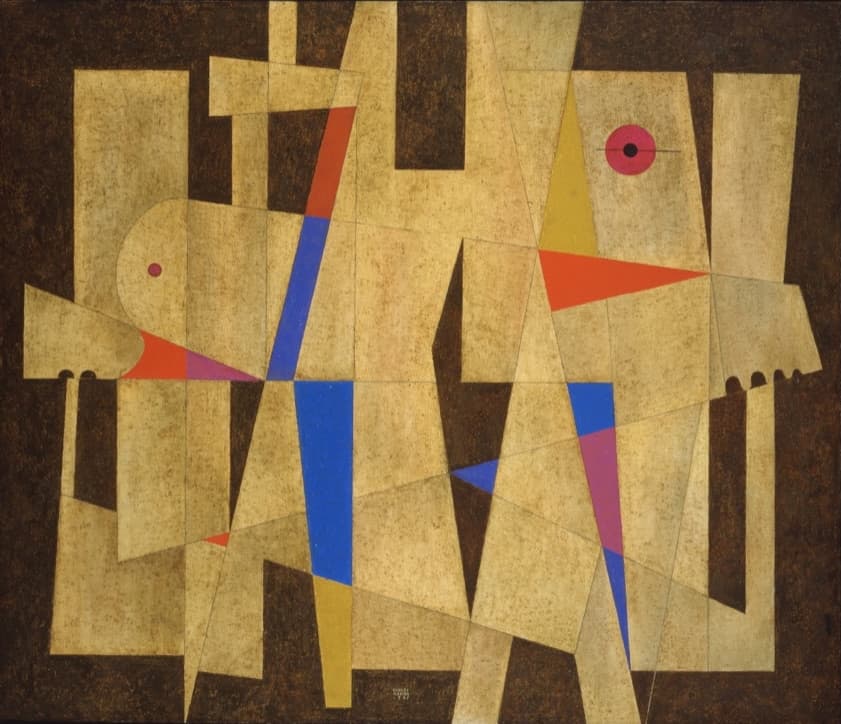
In his earlier work, he painted Indigenous people, regional dress, dances, and village life. These pictures were not simple records of daily life. He gradually simplified forms, flattened space, and emphasized structure and color over literal detail. Over time, his art became more abstract, yet it never lost its connection to the visual traditions of Mesoamerica. He drew inspiration from Maya culture, folk textiles, music, and ceremonial movement, transforming them into geometric compositions.
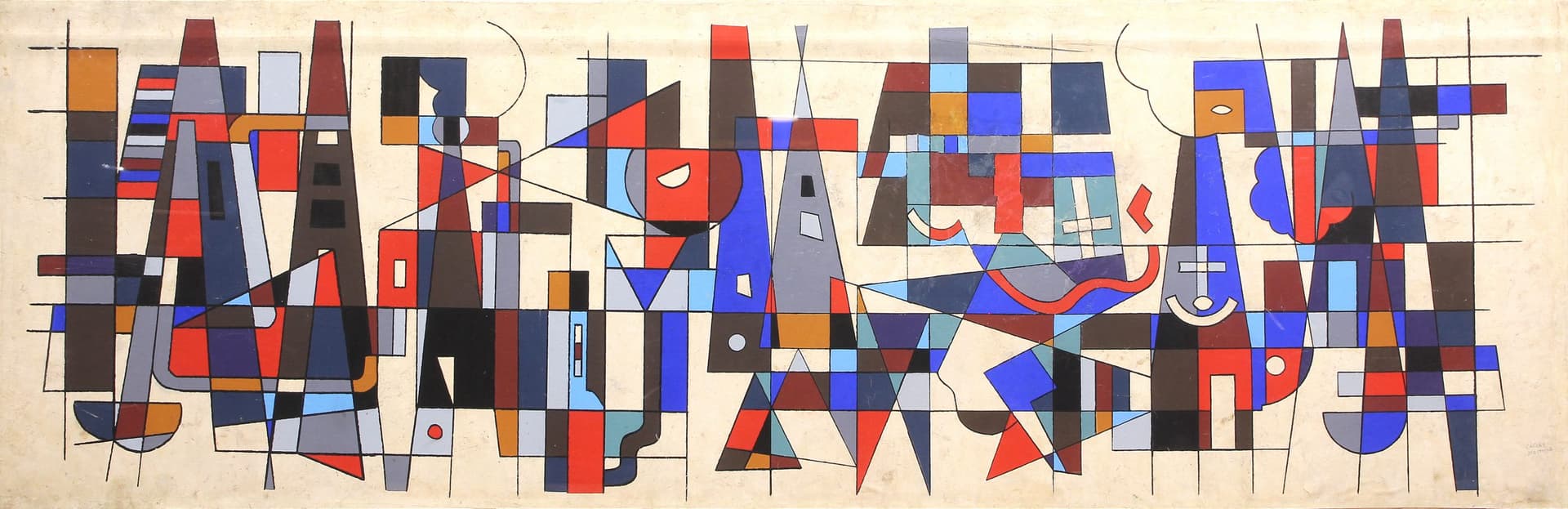
Mérida also worked in printmaking, costume design, and stage design, which strengthened his sense of rhythm and movement. Later in life, especially after a serious car accident affected his mobility, he focused increasingly on large scale mosaic and architectural projects. In these works, he integrated art directly into buildings, using bold geometric forms and carefully balanced color. This became one of his most lasting contributions.
Carlos Mérida died in Mexico City on December 21, 1984. Today he is remembered as one of the key artists who helped shape modern art in Latin America. His achievement lies in the way he united abstraction with cultural memory. He created a visual language that was modern, disciplined, and unmistakably rooted in the Americas.
Represented By
Artworks by Carlos Mérida