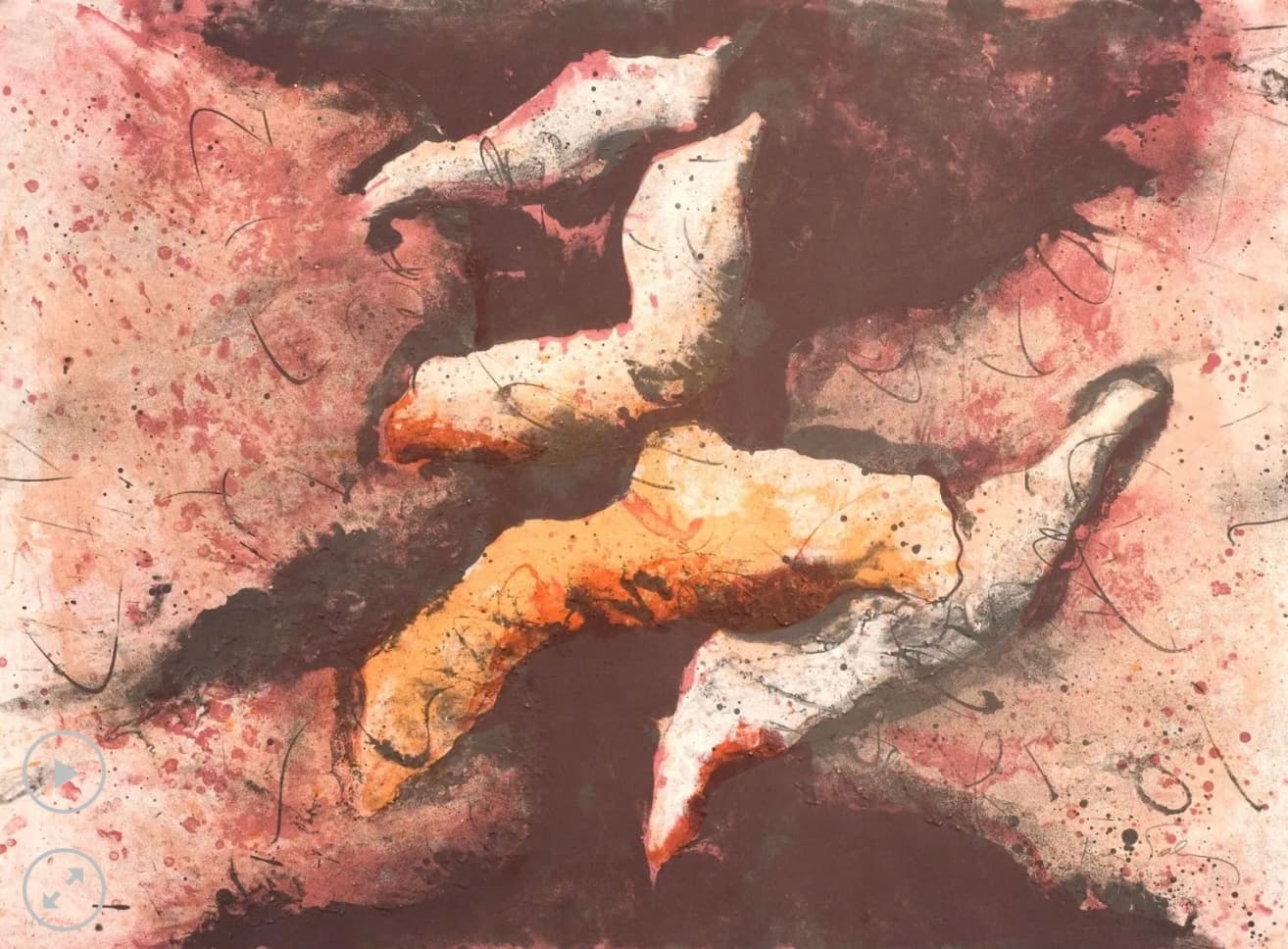
Baruj Salinas
Cuba, b. 1935, d. 2024
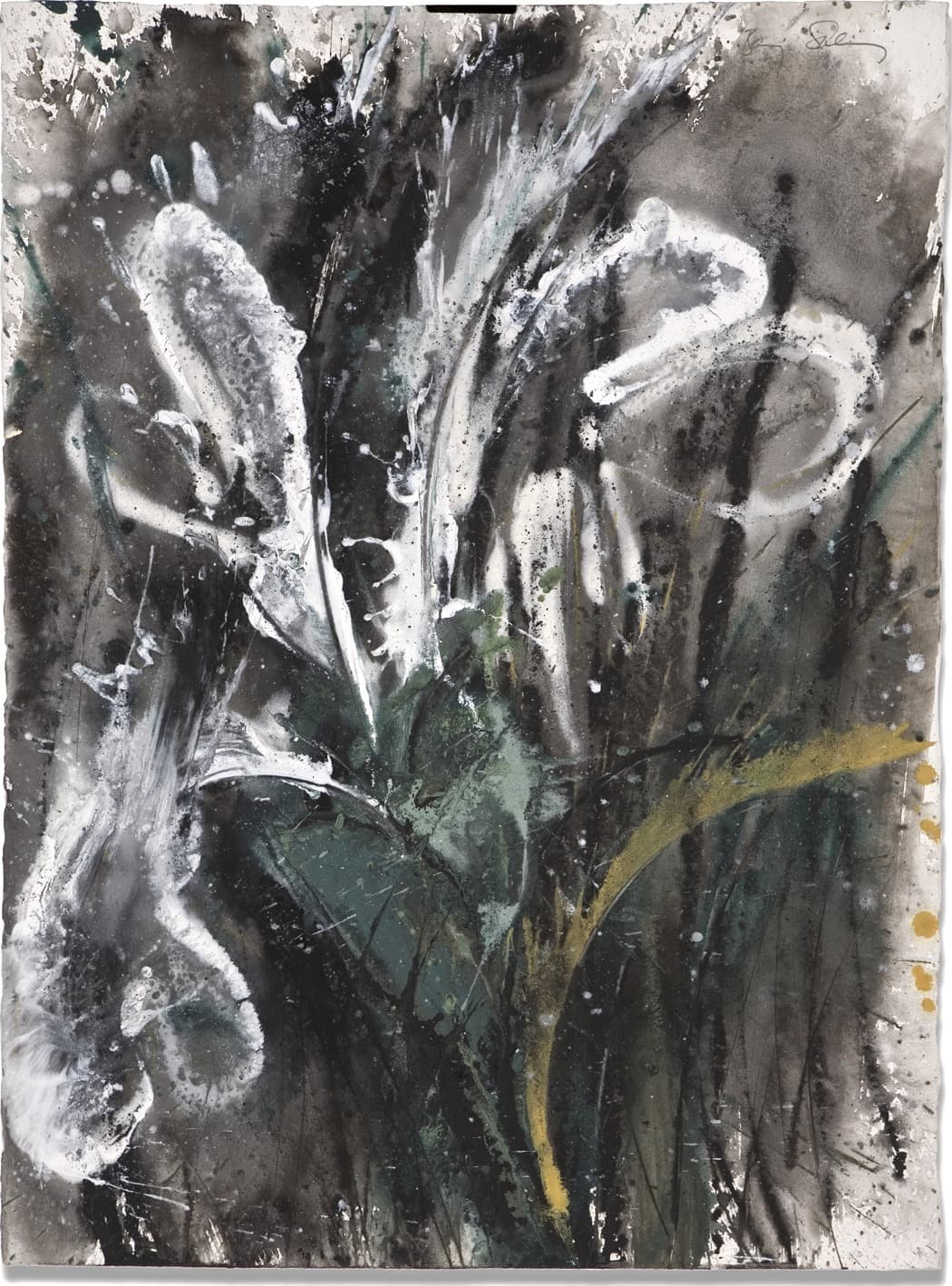
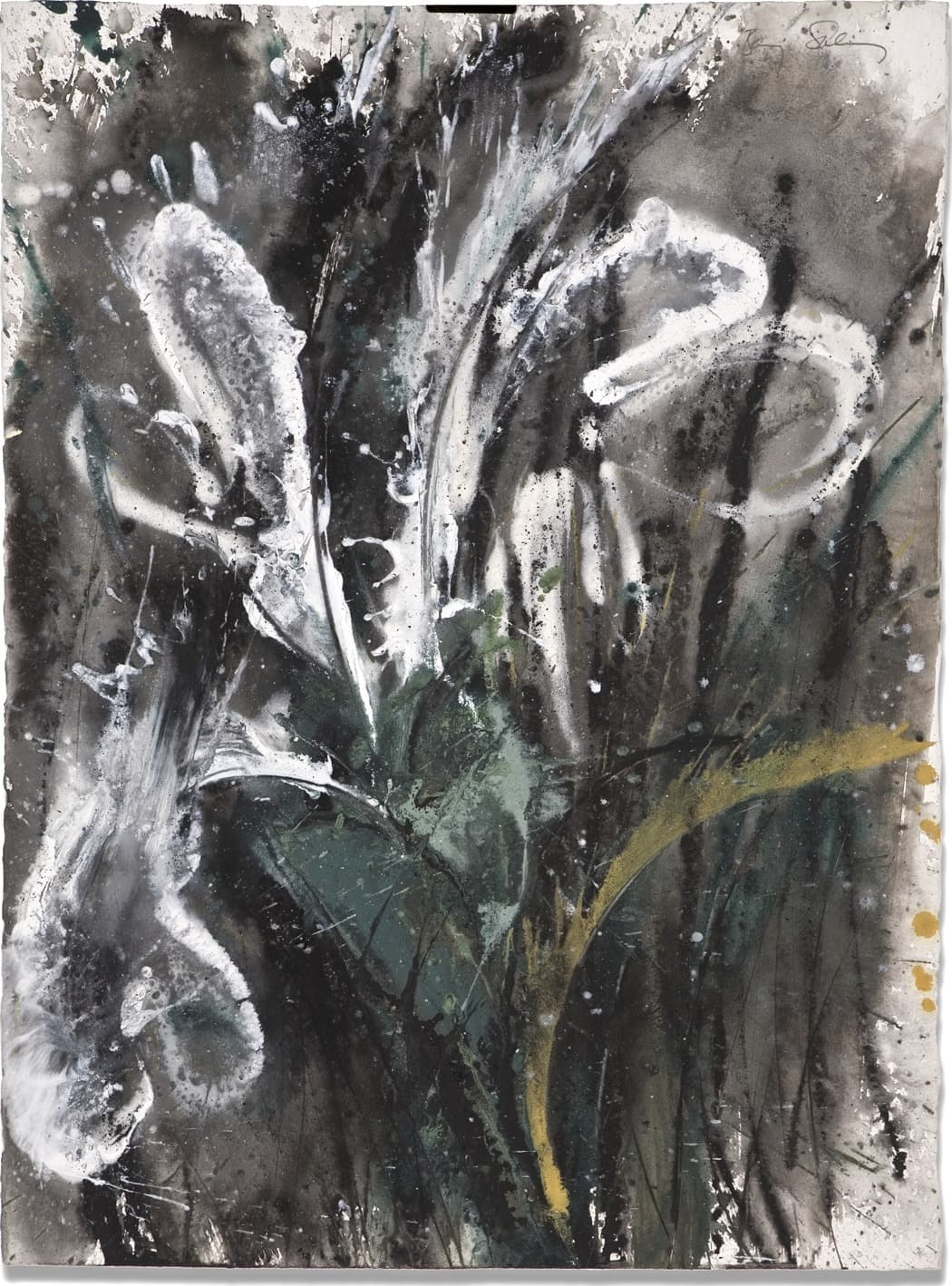
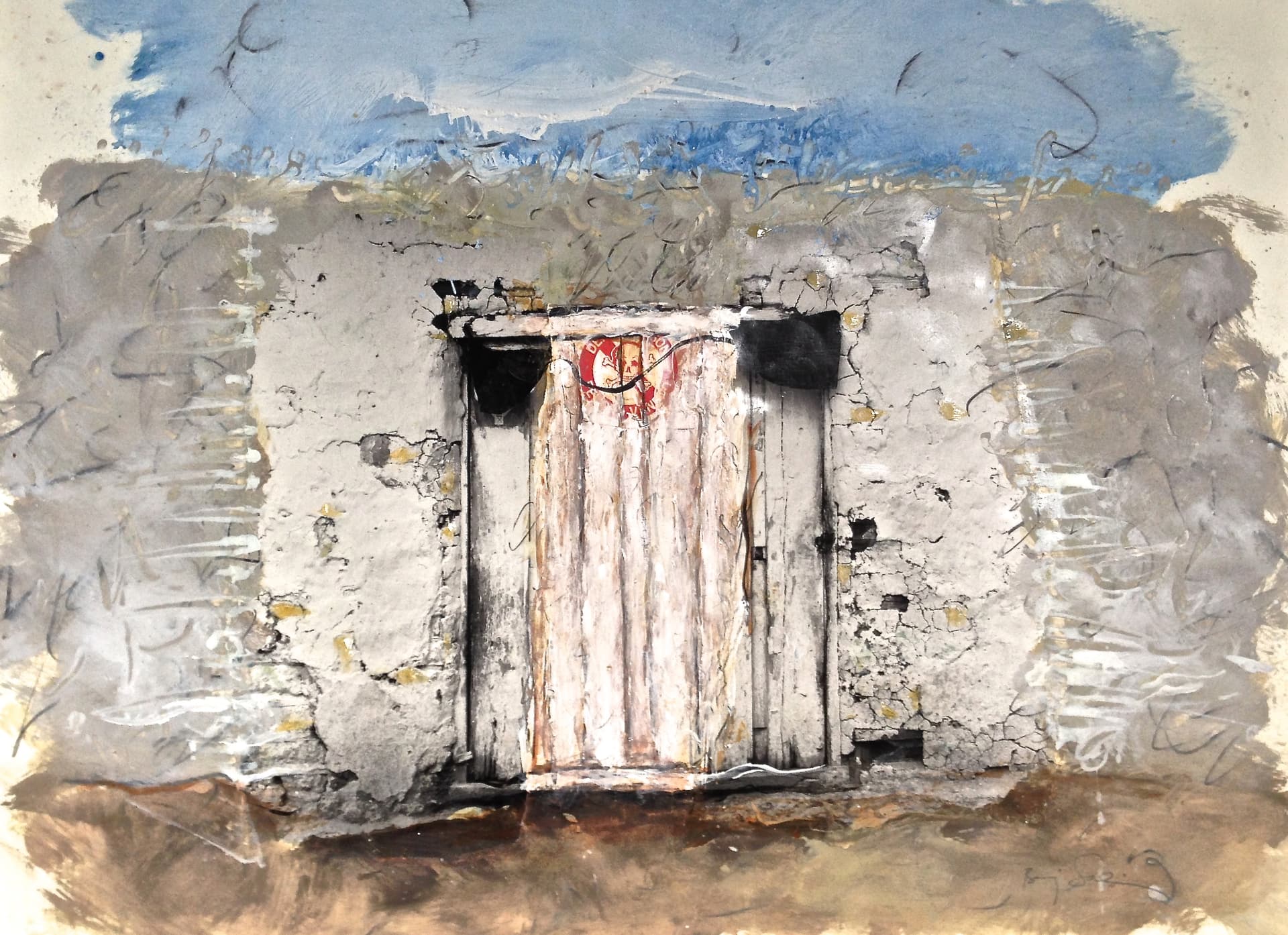
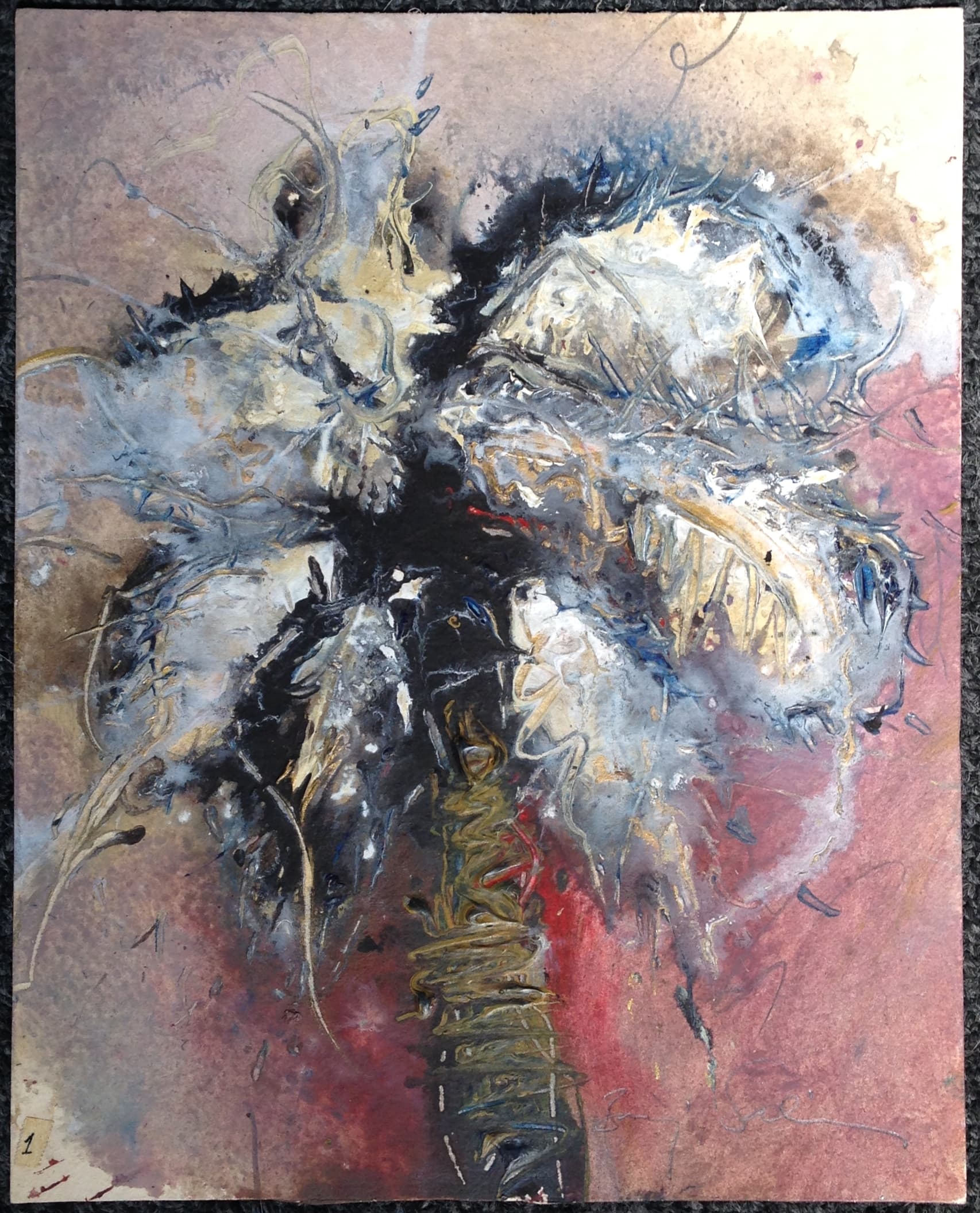
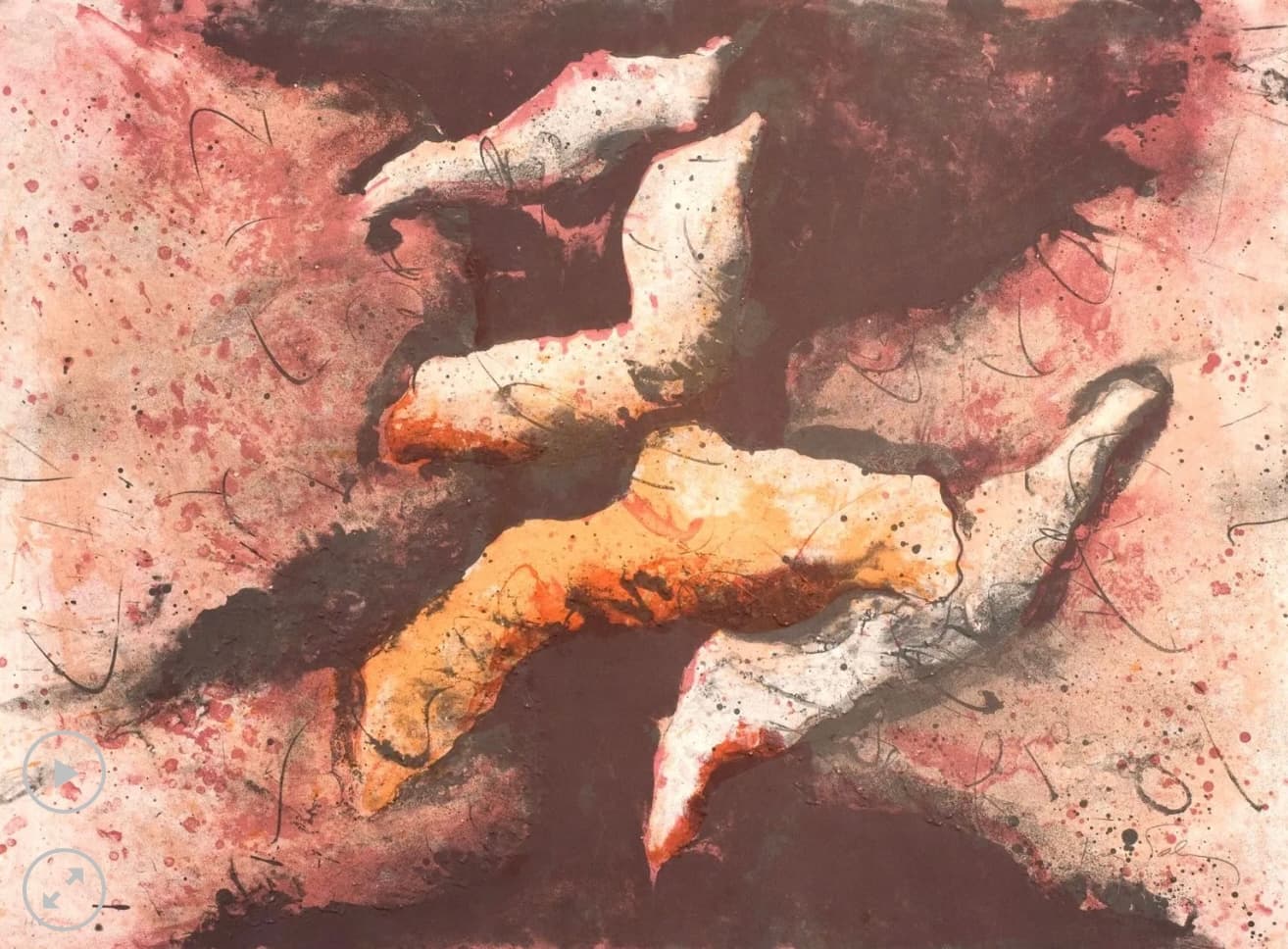
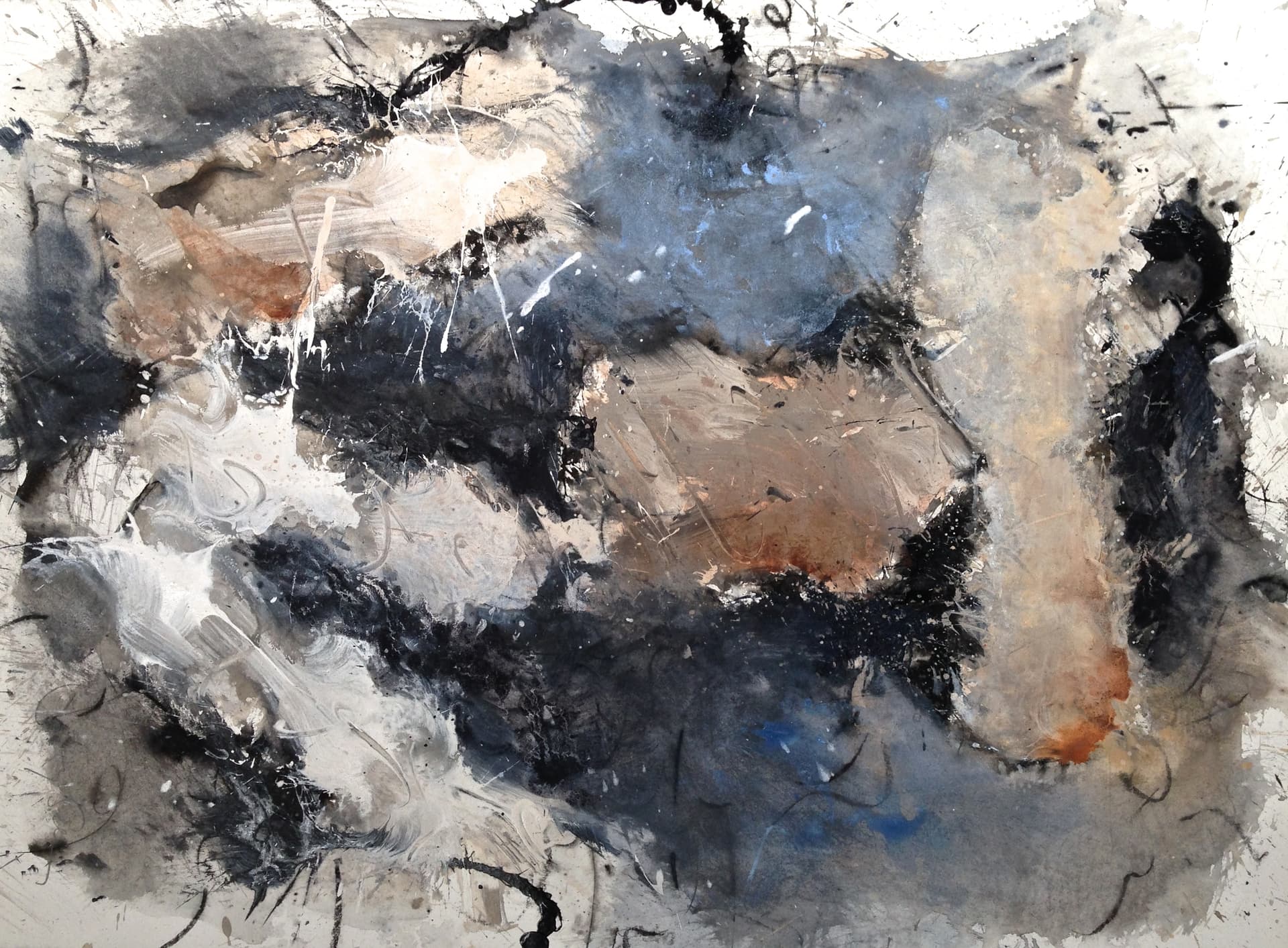
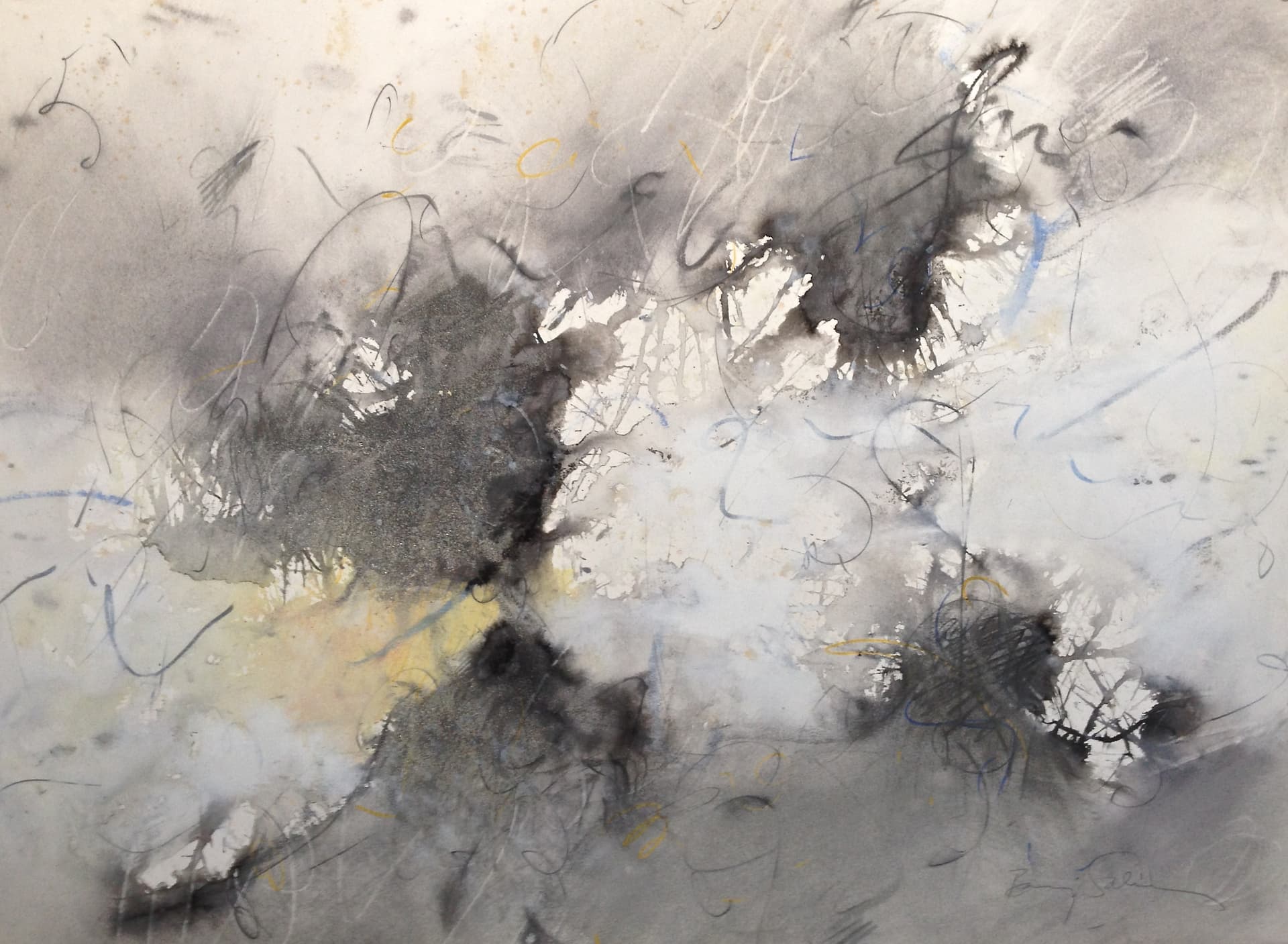
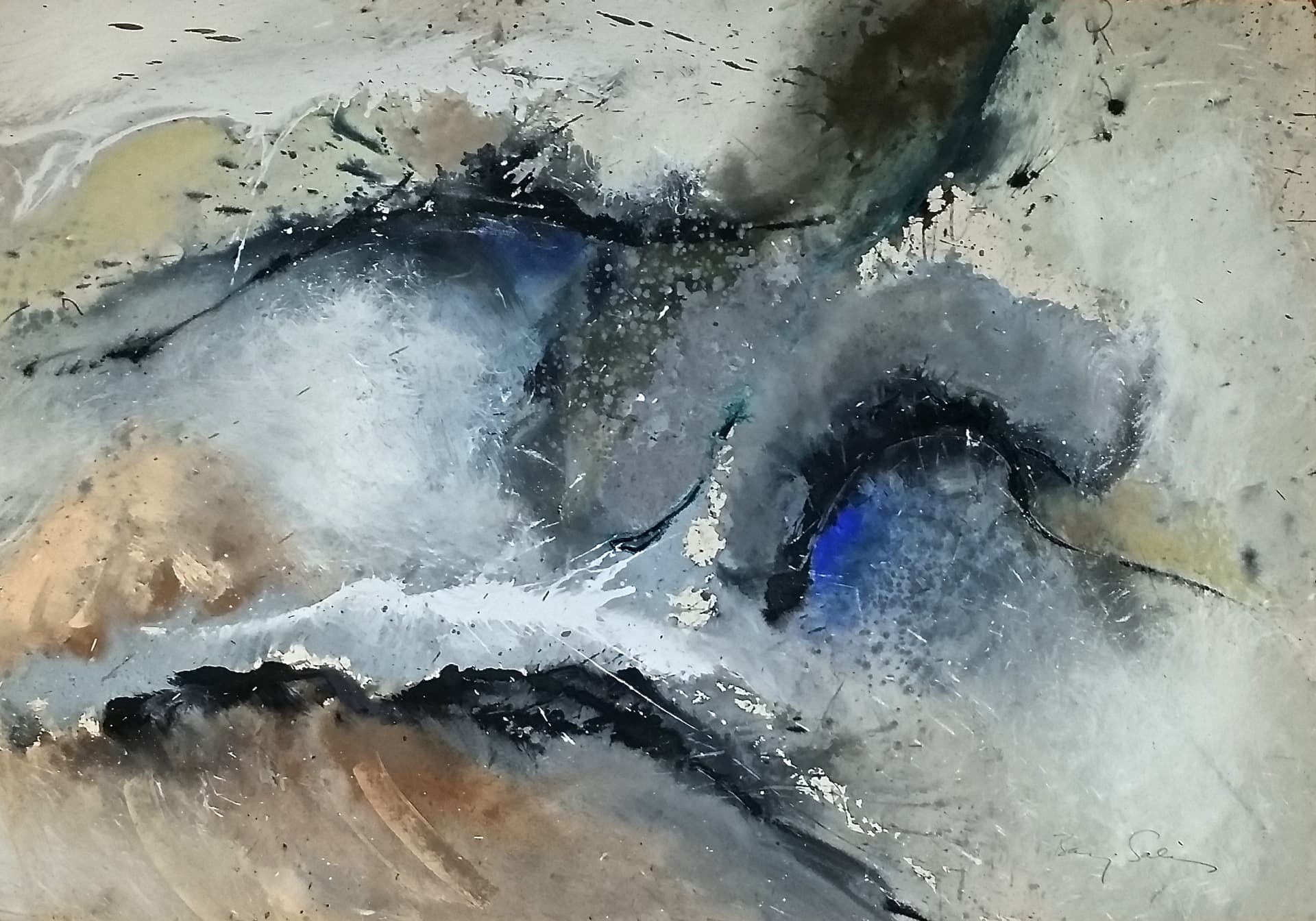
Baruj Salinas was a Cuban born painter recognized for his luminous use of color, meditative compositions, and deep engagement with spirituality, music, and abstraction. Born in Havana in 1935, he developed a long and consistent career centered on the expressive potential of color and form. Over time, his work evolved into a refined abstraction that sought to evoke emotion, harmony, and inner experience rather than depict the external world directly.
Salinas grew up in a culturally rich environment where music, art, and intellectual life were closely connected. Music, in particular, became a lasting influence on his work. He often approached painting as a visual equivalent of music, where rhythm, tone, and variation are translated through color relationships and compositional balance. This influence is evident in the fluidity and subtle movement within his paintings, even when they appear calm and restrained.
He initially studied architecture, a background that contributed to his strong sense of structure and spatial organization. This architectural influence can be seen in the careful arrangement of forms within his compositions. Even in his most atmospheric works, there is an underlying order that gives the paintings a sense of stability and intention. Planes of color are placed with precision, creating depth and balance without relying on traditional perspective.
In the early 1960s, Salinas left Cuba and later settled in the United States, eventually making Miami a central base for his life and work. Like many artists who experienced exile, themes of displacement and memory became part of his artistic language. However, he did not address these themes through direct imagery. Instead, he explored them through abstraction, using color and atmosphere to convey emotional states tied to reflection, transition, and identity.
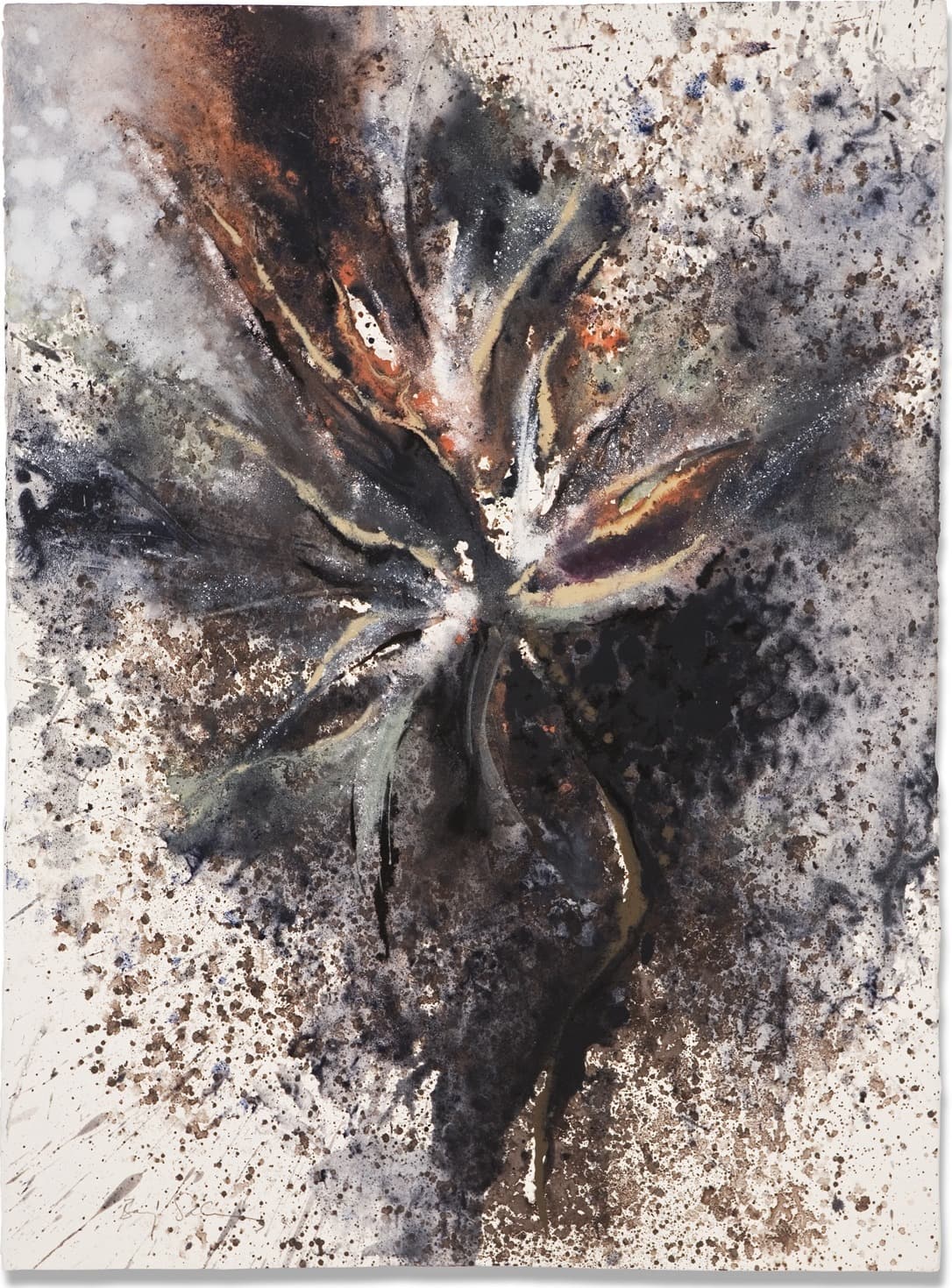
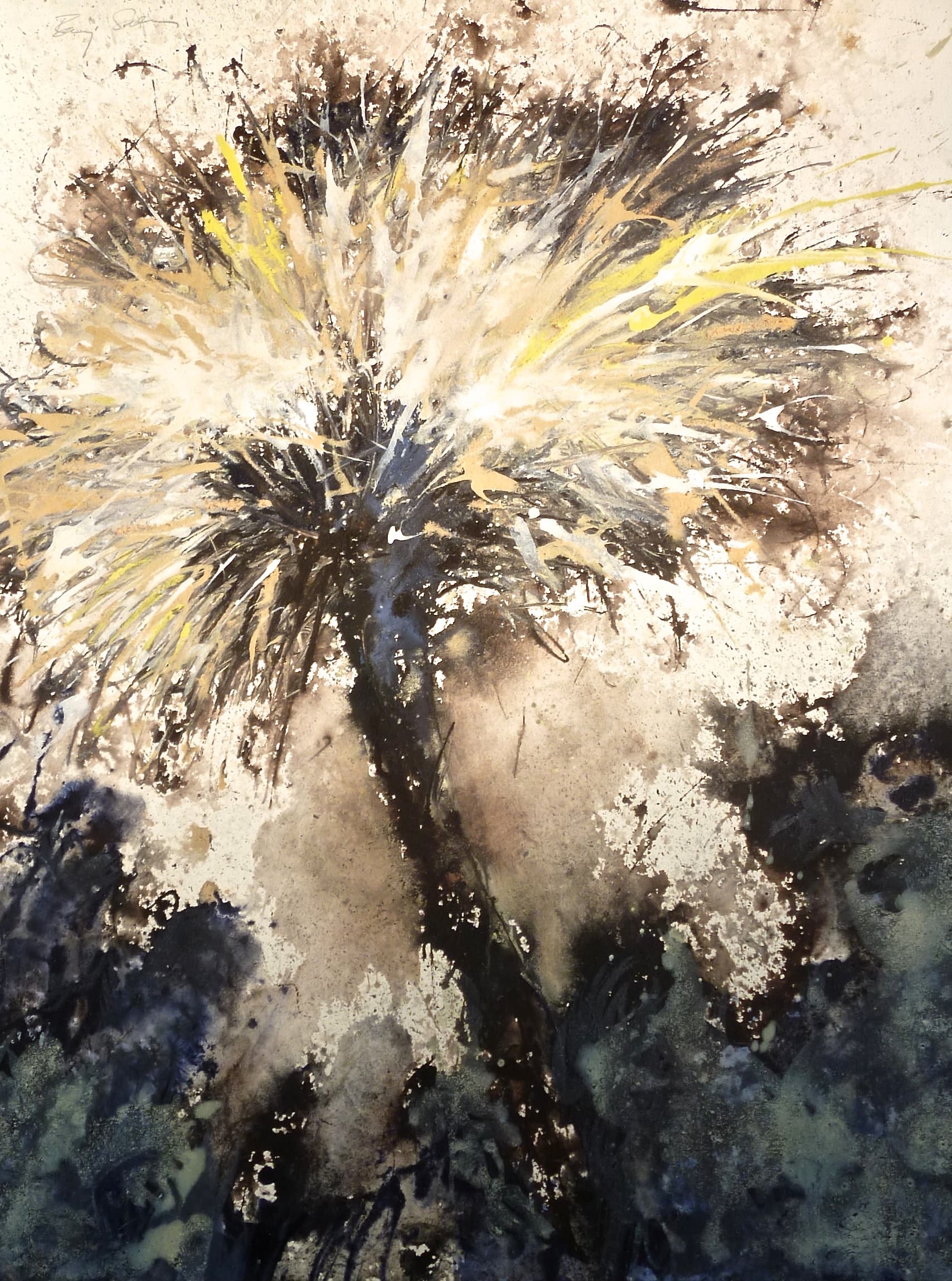
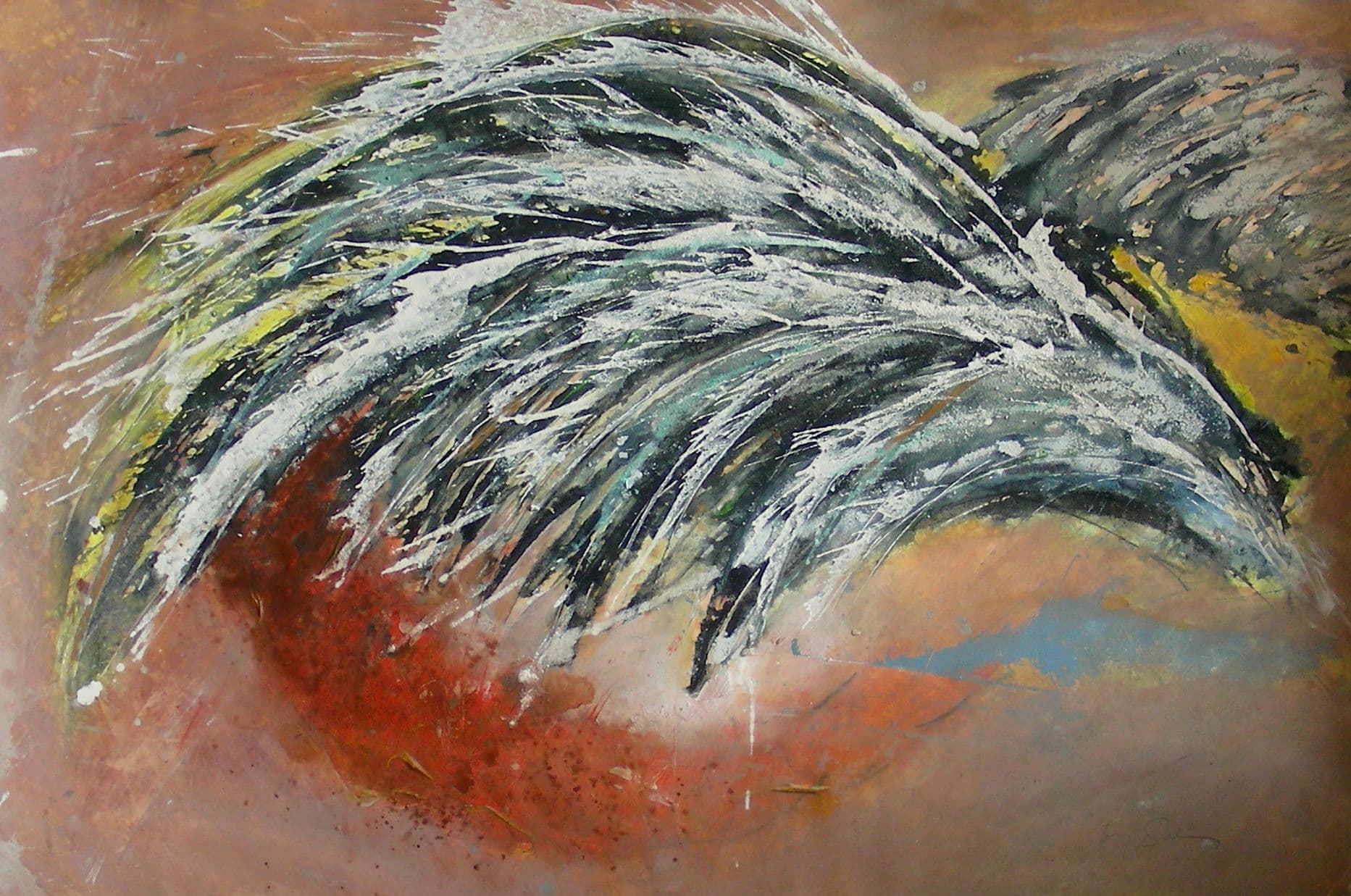
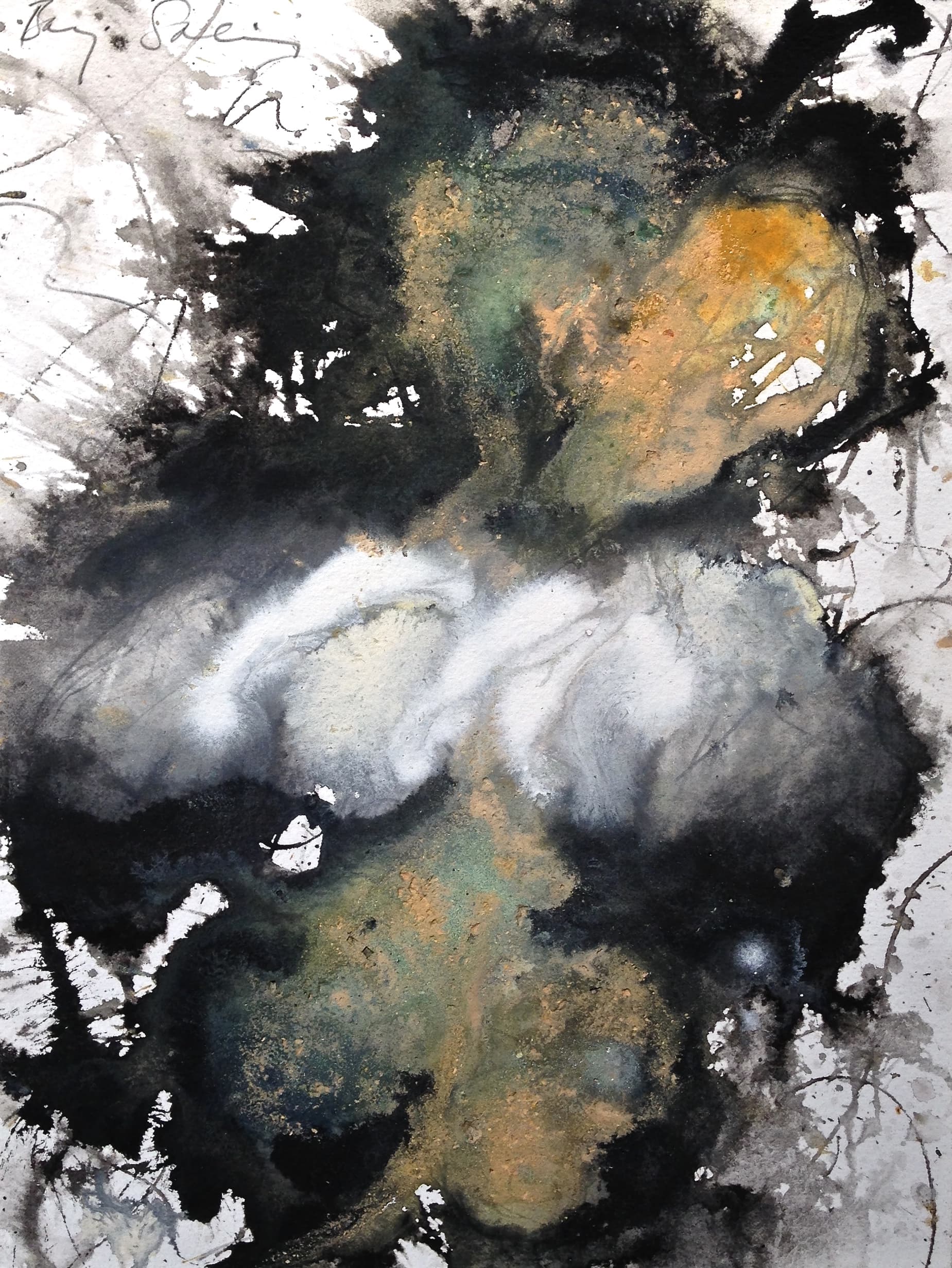
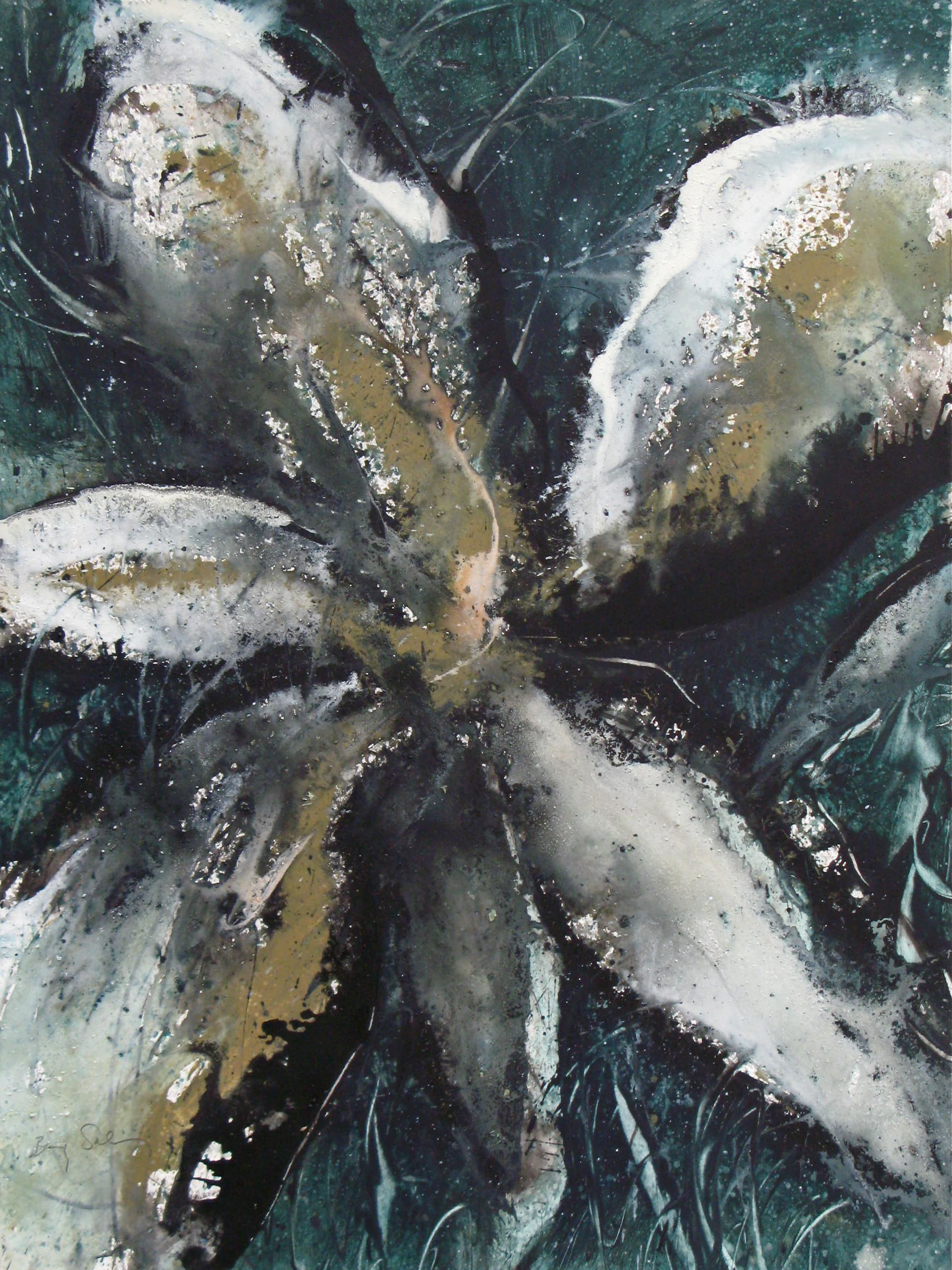
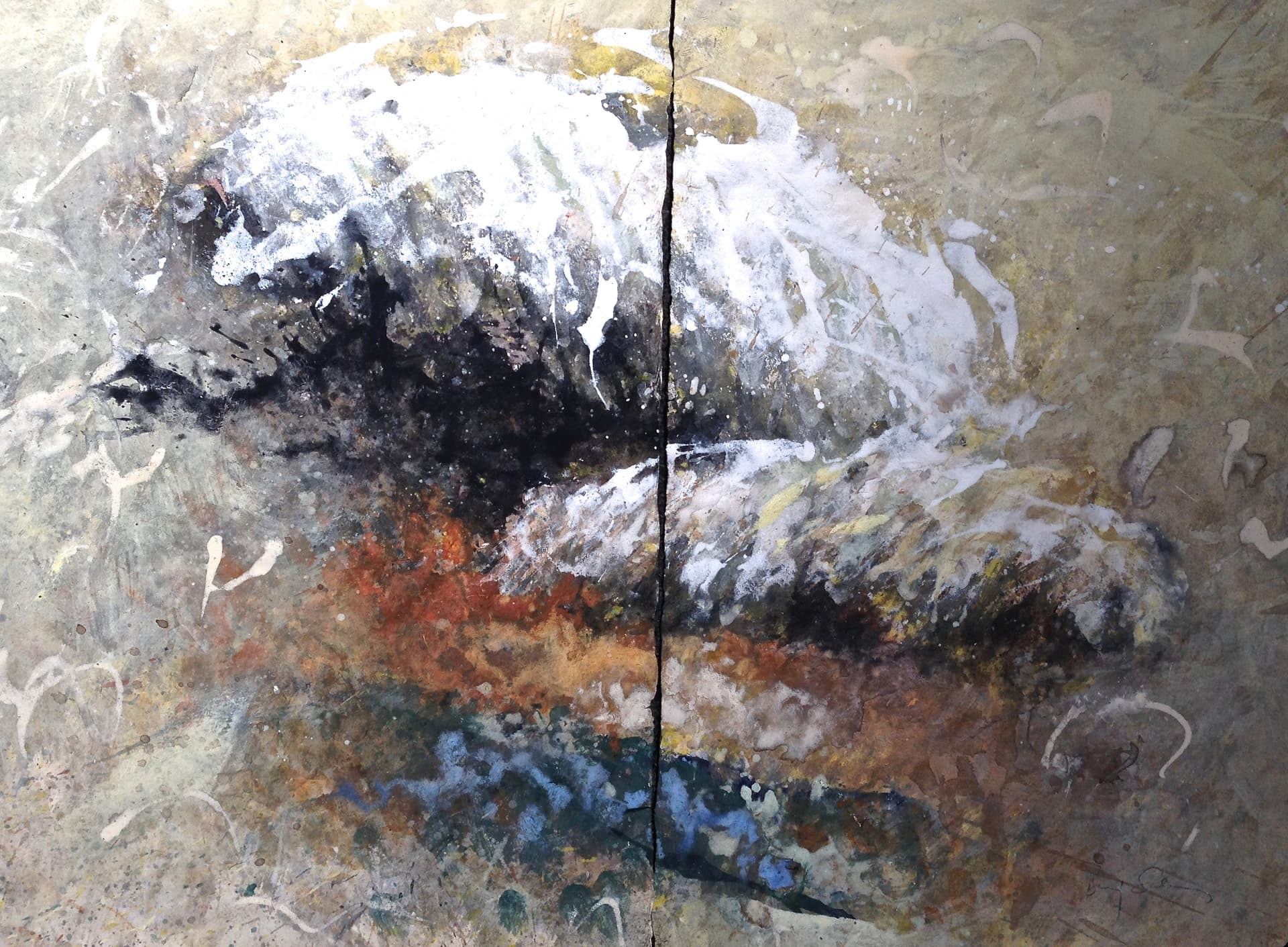
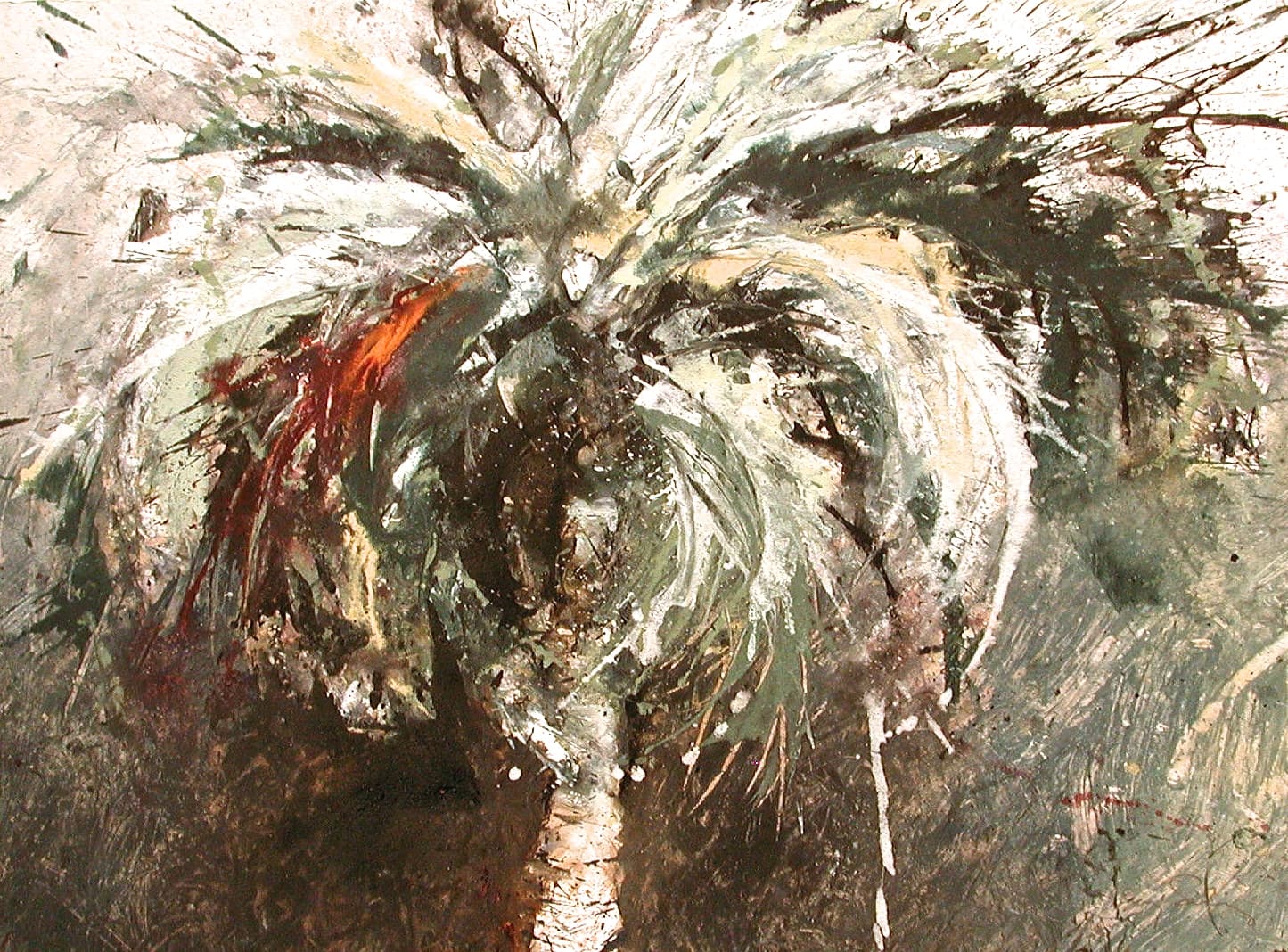
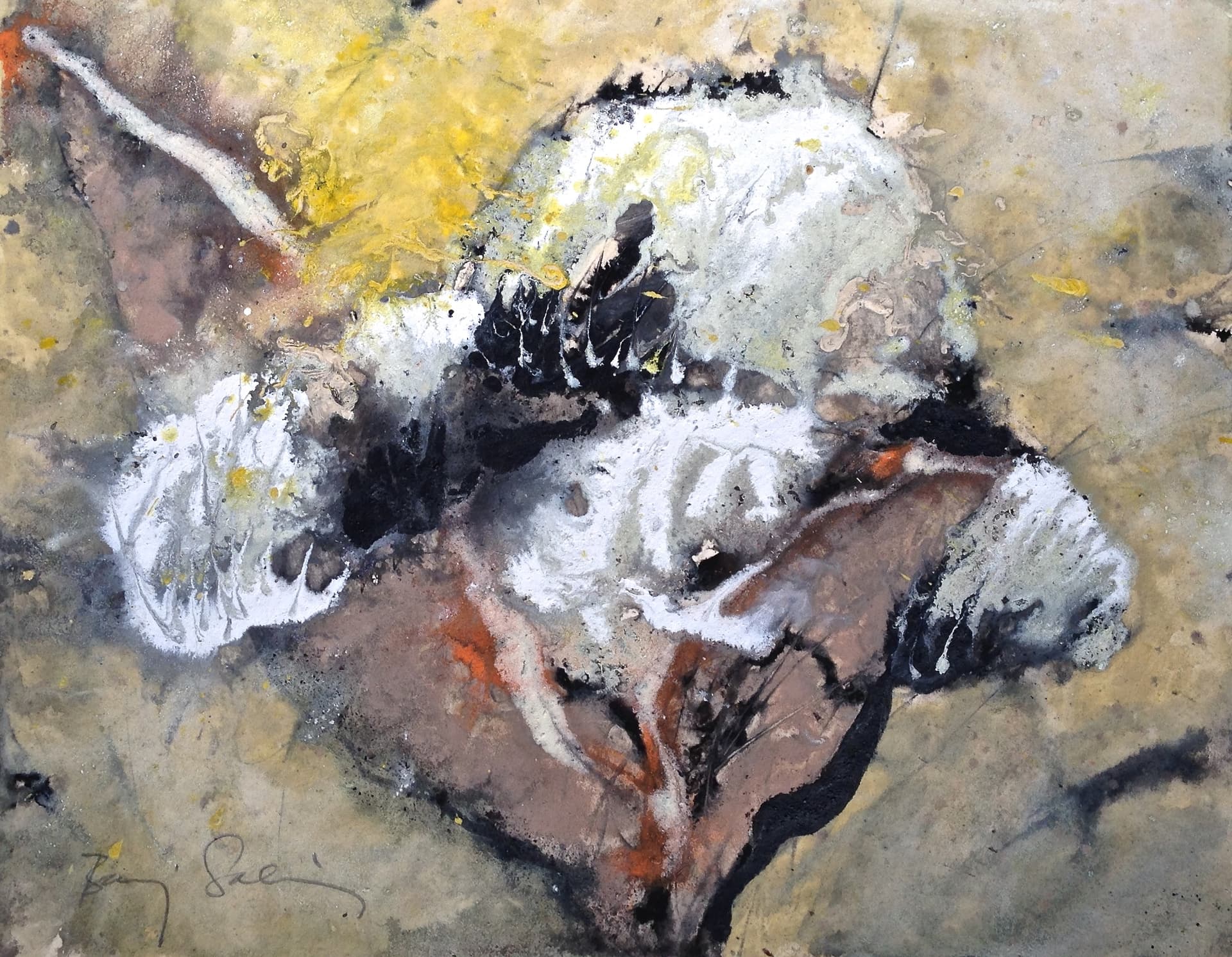
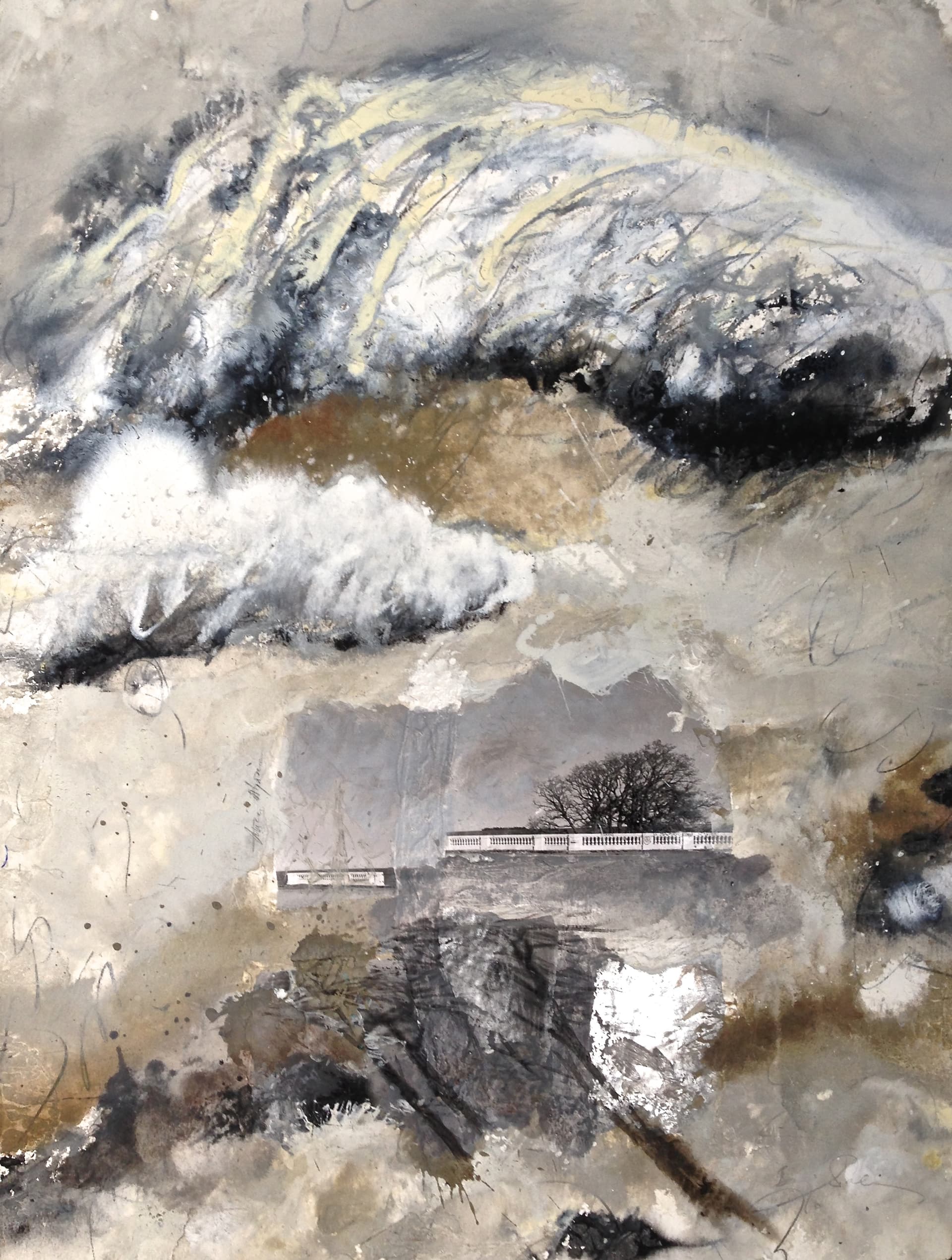
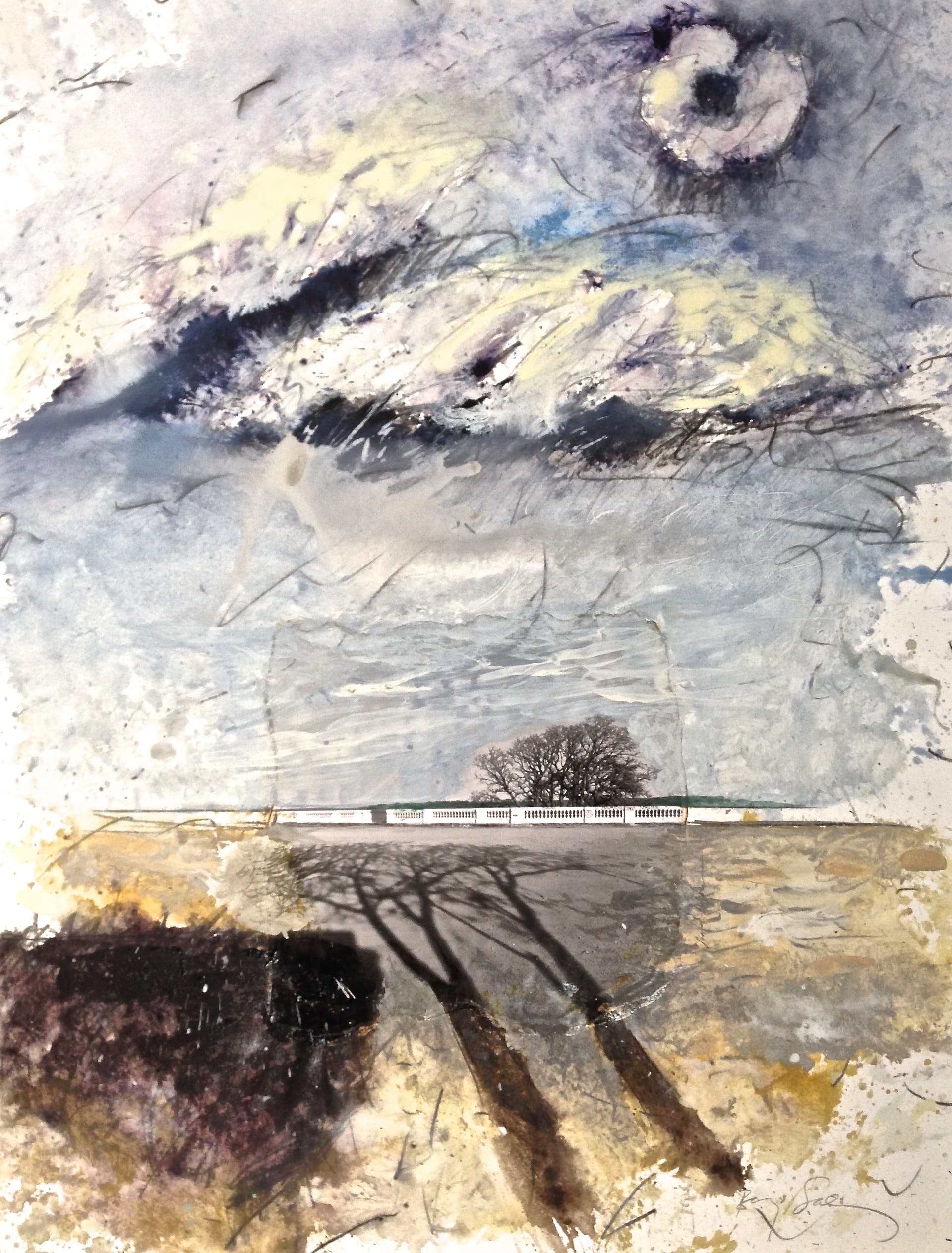
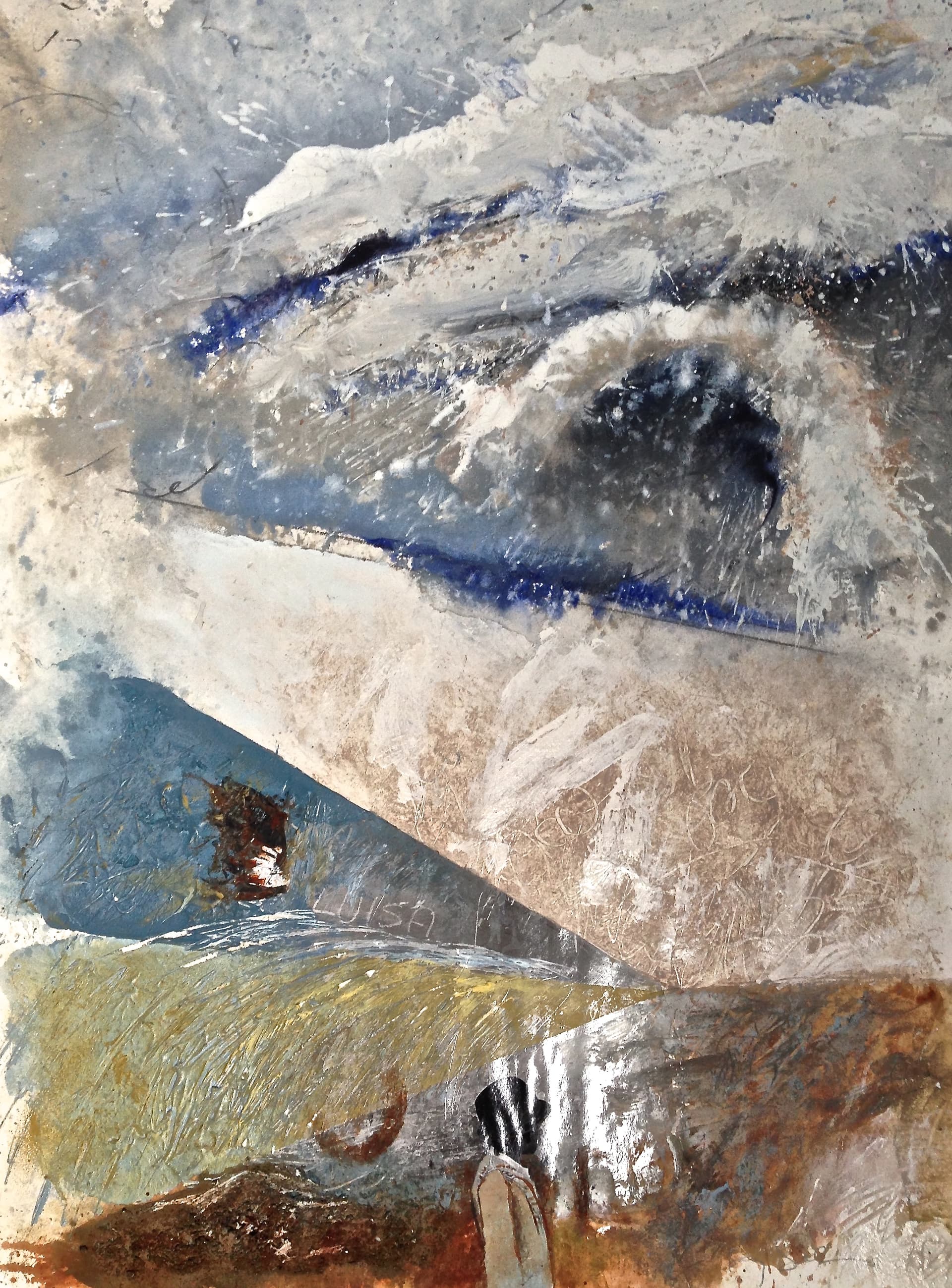
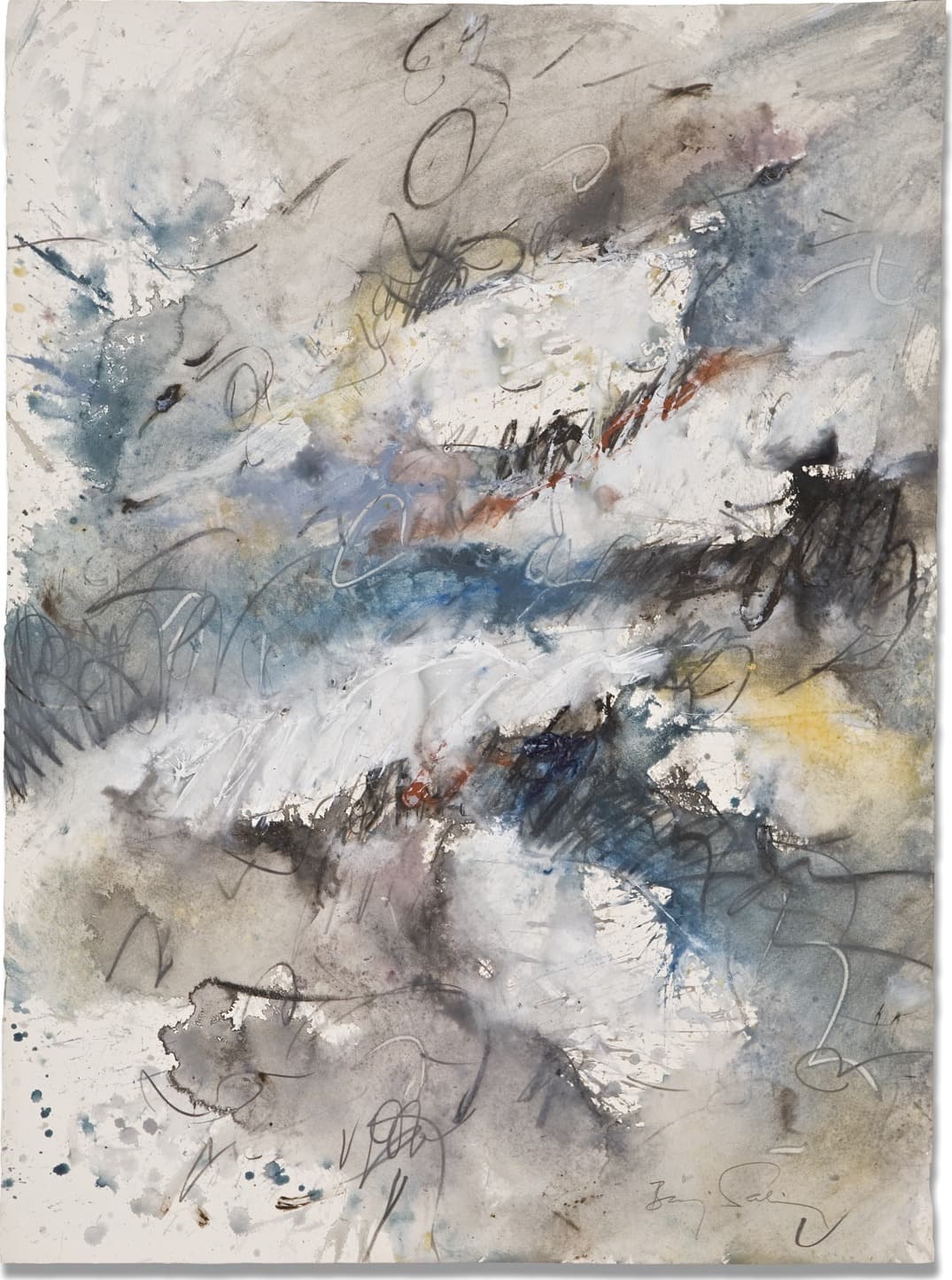
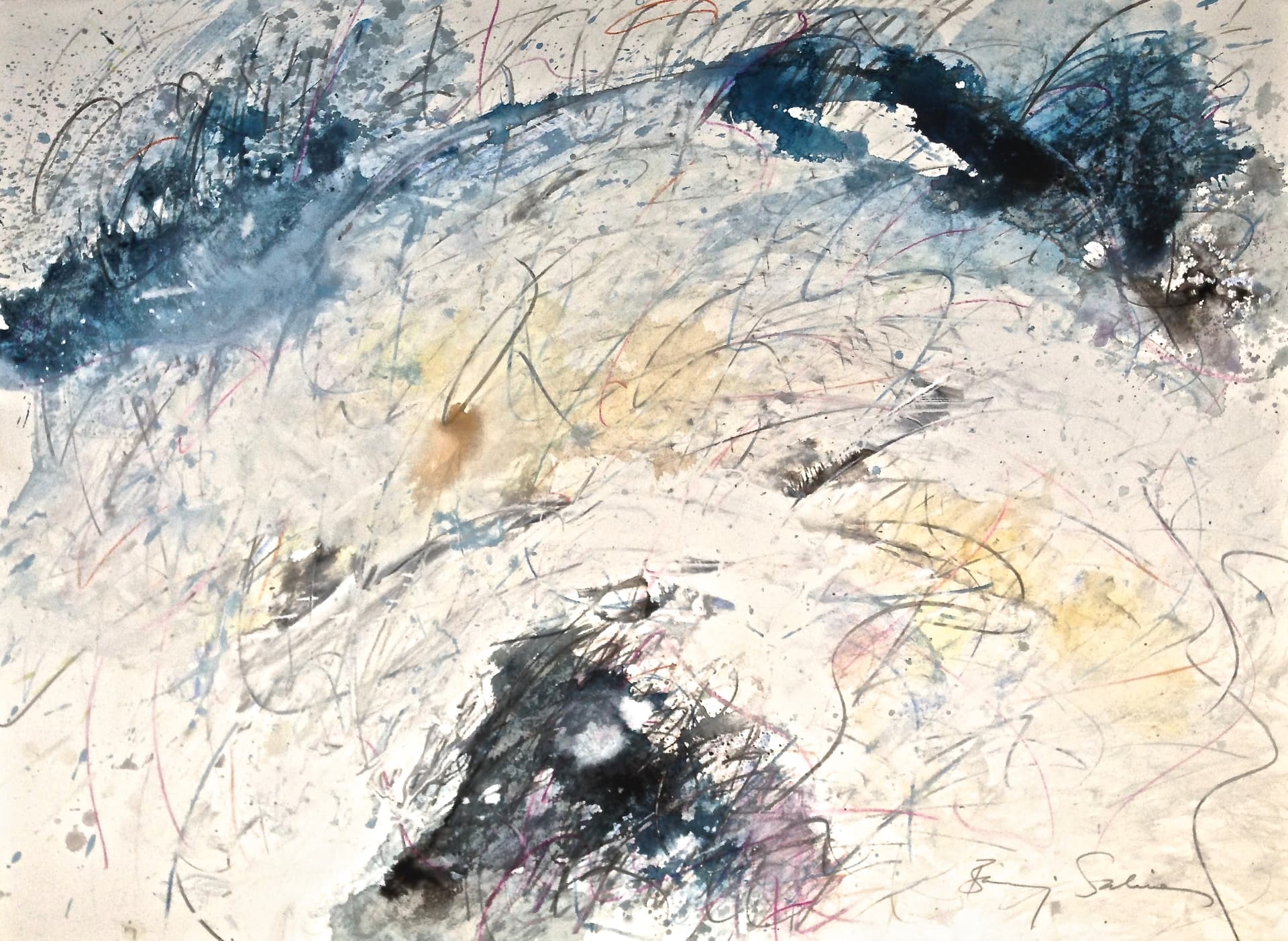
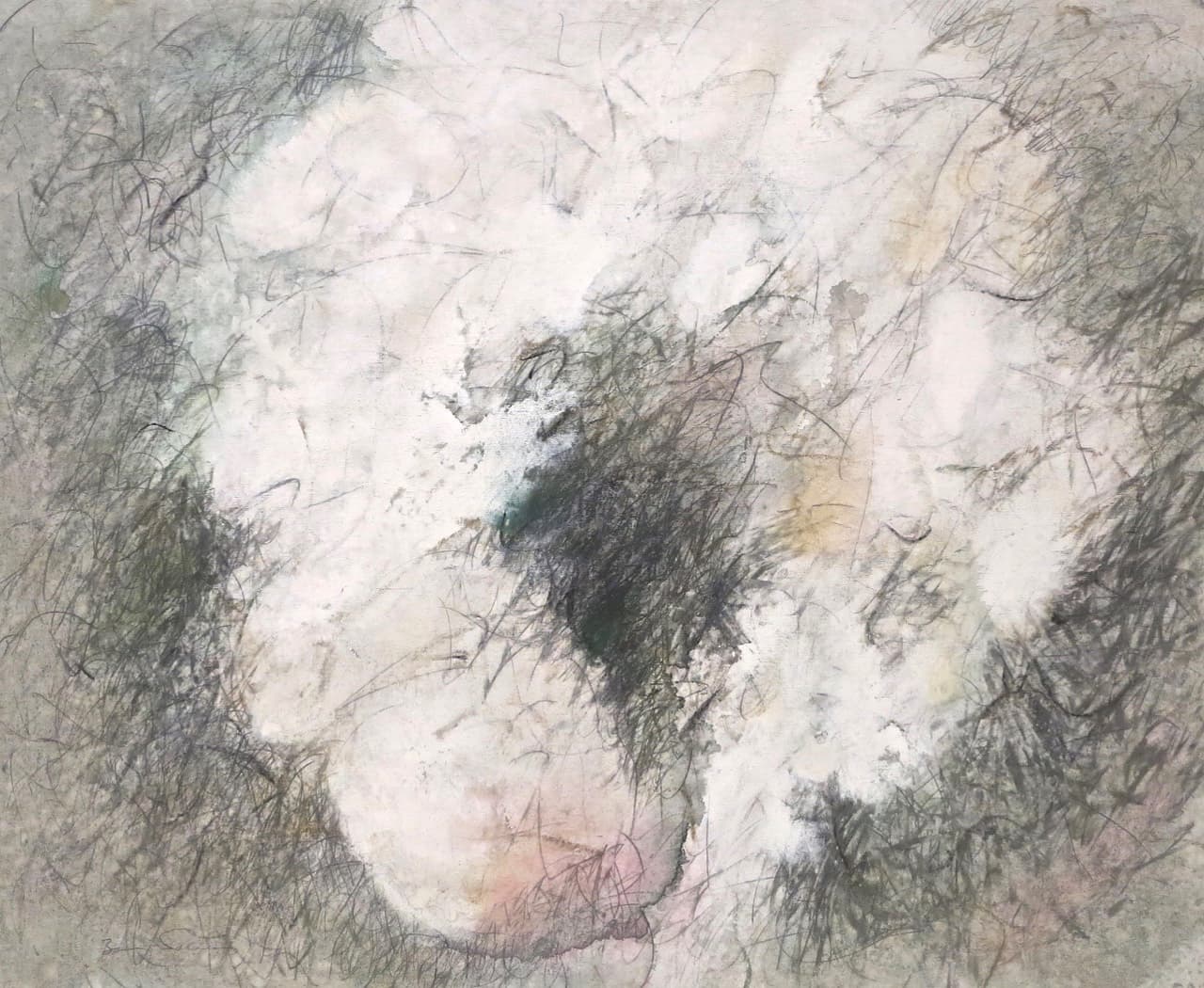
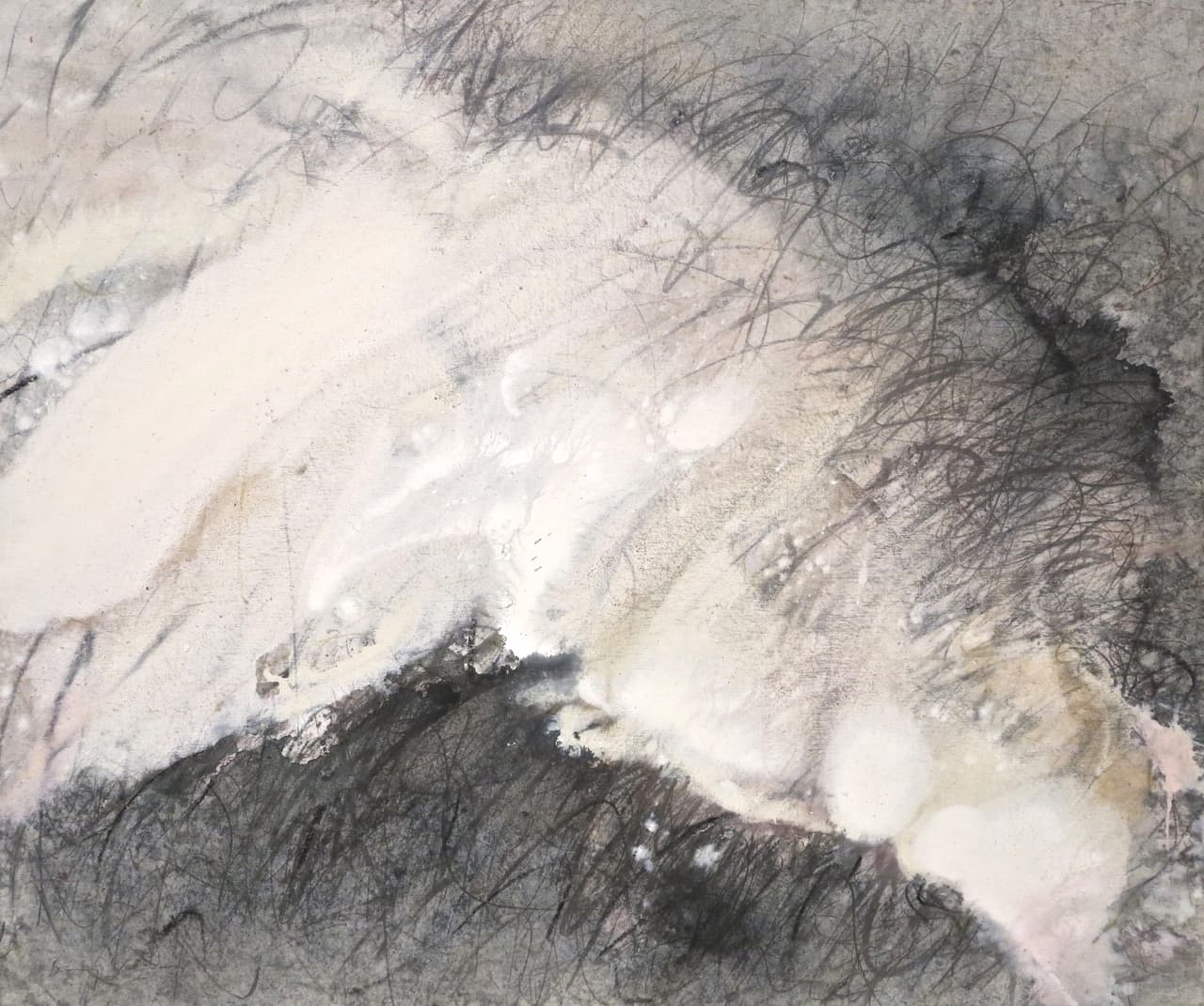
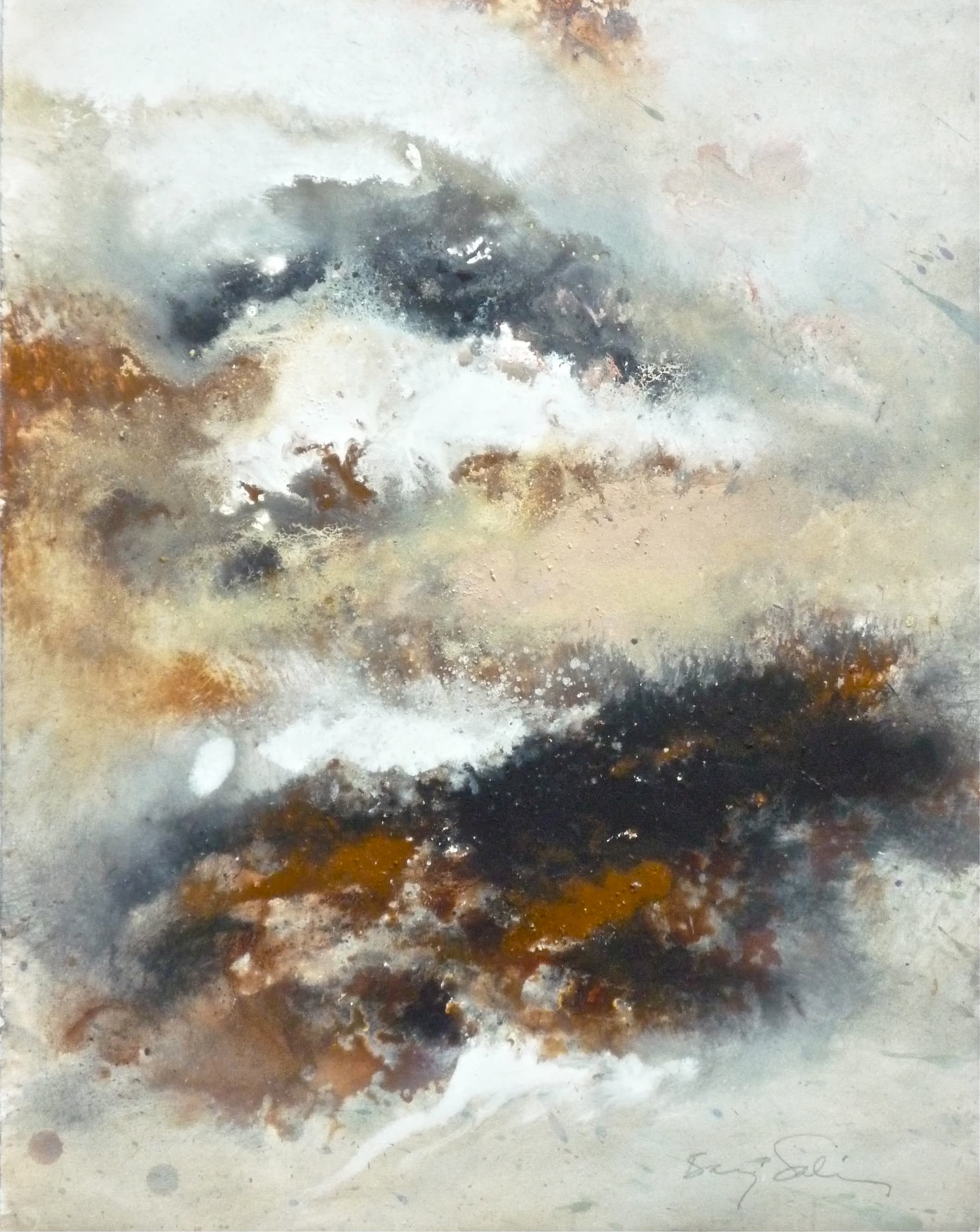
A defining characteristic of Salinas’s work is his mastery of color. His paintings often feature luminous surfaces built from layered hues that seem to shift and vibrate. Deep blues, rich reds, purples, and golds are arranged in subtle transitions, creating fields of color that feel expansive yet intimate. These color relationships are not decorative. They are central to the experience of the work, guiding emotional response and creating a sense of depth that extends beyond physical space. His compositions frequently incorporate quiet geometric structures that anchor the more fluid elements. Rectangular forms, layered bands, and subtle divisions organize the surface, providing a framework for the movement of color. This balance between structure and atmosphere is one of the defining qualities of his style. It allows his work to feel both disciplined and expressive, controlled yet open.
Salinas was also influenced by spiritual and philosophical ideas, including aspects of Eastern thought and mystical traditions. His paintings often invite contemplation, encouraging viewers to engage slowly and reflectively. There is a sense of stillness in his work, but it is an active stillness, filled with subtle variation and internal movement.
Throughout his career, Baruj Salinas exhibited widely in the United States, Latin America, and Europe. His work was included in museum collections and gallery exhibitions that highlighted both modern and contemporary abstraction. He remained committed to a focused and evolving practice, refining his approach to color and composition over decades.
Baruj Salinas died in Miami in 2024. He is remembered as an important figure in Cuban American art and in the broader field of abstract painting. His legacy lies in his ability to use color as a primary language, creating works that resonate through balance, depth, and quiet intensity.
Represented By
Artworks by Baruj Salinas